
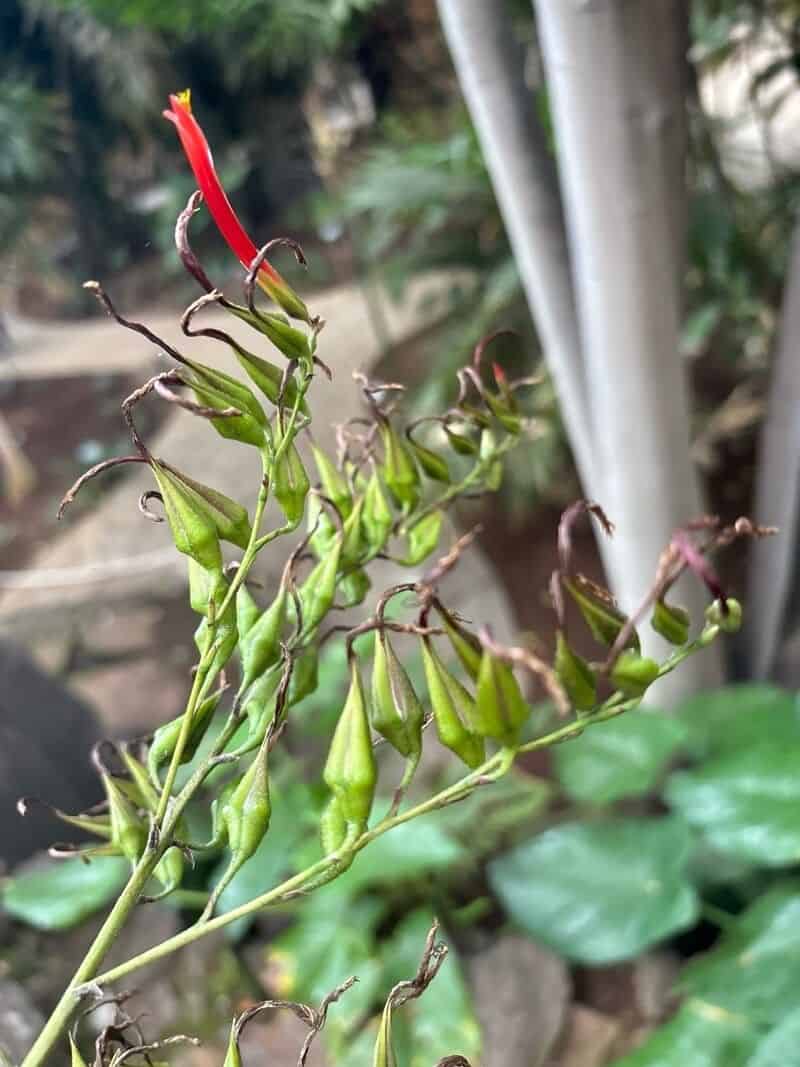
Unveiling the Secrets of Pitcairnia pulverulenta Propagation: From One Striking Bromeliad to Many
The Pitcairnia pulverulenta, with its striking, powder-dusted foliage and vibrant flower spikes, is a bromeliad that commands attention. But did you know that multiplying this beauty isn’t as daunting as it seems? Whether you’re a seasoned plant parent or just starting your journey with bromeliads, this guide will equip you with the knowledge to propagate your Pitcairnia pulverulenta and expand your collection.
Understanding the Basics:
Before we delve into the techniques, it’s helpful to understand how bromeliads like the Pitcairnia pulverulenta naturally reproduce. Unlike many plants that propagate from seeds or cuttings, bromeliads primarily reproduce through offsets, also known as "pups." These miniature versions of the parent plant emerge at the base, ready to grow into independent beauties.
Two Paths to Propagation:
Offset Division:
- Timing is Key: Wait until the pups are at least one-third the size of the mother plant, ideally with their own root systems developing. This typically occurs after the mother plant has flowered and is gradually declining.
- Gentle Separation: Using a clean, sharp knife or shears, carefully separate the pup from the mother plant, ensuring you retain some roots on each offset.
- Potting Up: Plant the pups individually in well-draining potting mix formulated for bromeliads or epiphytes. Ensure the base of the pup is level with the soil surface and water lightly.
Seed Propagation (for the Adventurous):
- A Test of Patience: While possible, seed propagation is a longer and more challenging process. Seeds are often slow to germinate and require consistent warmth and humidity.
- Sourcing Seeds: Acquire fresh seeds from a reputable supplier or collect them from a mature Pitcairnia pulverulenta after flowering.
- Sowing the Seeds: Sprinkle the seeds on the surface of a moist, well-draining seed-starting mix, and lightly press them in. Cover the container with a plastic dome or wrap to maintain humidity.
- Patience is a Virtue: Place the container in a warm, brightly lit location, out of direct sunlight. Germination can take several weeks or even months. Once seedlings are robust enough, carefully transplant them into individual pots.
Tips for Success:
- Well-Draining Soil: Soggy soil is the enemy of bromeliads. Opt for a chunky, airy mix that replicates their natural epiphytic environment.
- Bright, Indirect Light: While they thrive in bright conditions, direct sunlight can scorch their leaves. An east-facing window or a spot with filtered light is ideal.
- Watering Wisely: Water when the top inch of the soil feels dry. Avoid overwatering, as it can lead to root rot.
- Humidity Boost: Pitcairnia pulverulenta appreciates elevated humidity levels. Mist the leaves regularly or place the pot on a humidity tray filled with pebbles and water.
- Fertilization: Feed with a diluted, balanced fertilizer formulated for bromeliads during the growing season (spring and summer).
Propagating your Pitcairnia pulverulenta is a rewarding experience that allows you to expand your collection and share these striking plants with fellow enthusiasts. With patience, care, and the right techniques, you’ll be rewarded with an abundance of these captivating bromeliads to brighten your home.