
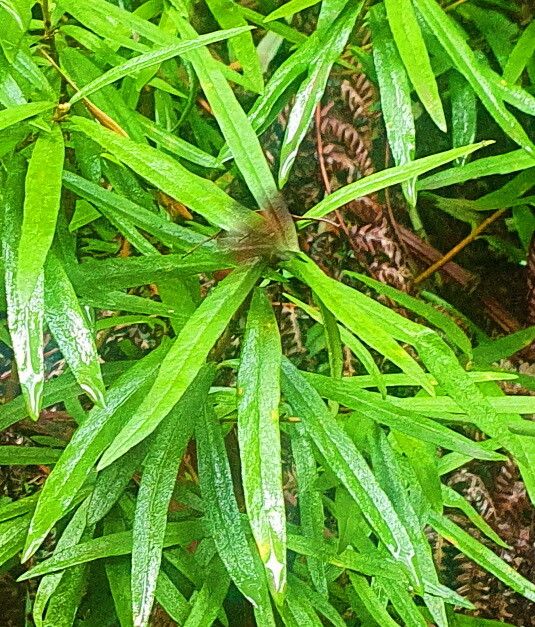
Propagating Pittosporum bicolor: A Gardener’s Guide
Introduction:
Pittosporum bicolor, also known as the variegated karo, is a highly prized evergreen shrub appreciated for its attractive, variegated foliage and fragrant, creamy-white flowers. Its dense, rounded habit makes it a versatile choice for hedges, borders, and even container gardening. While relatively easy to maintain once established, propagation can present some unique challenges. This article explores various methods of propagating Pittosporum bicolor, highlighting their viability and offering practical advice.
Seed Germination:
Currently, there are no known reliable methods for seed germination propagation of Pittosporum bicolor. While seeds may be produced, germination rates are extremely low, and the resulting seedlings often exhibit unpredictable variations in leaf coloration and growth habit. This method is therefore not recommended for practical propagation.
Cuttings:
This is the most commonly used and successful method for propagating Pittosporum bicolor.
Challenges: Root development can be slow, and the success rate depends heavily on proper technique and environmental conditions. Using semi-hardwood cuttings offers the best results.
Practical Tips:
- Timing: Take cuttings in late spring or early summer from semi-hardwood growth (stems that are firm but not fully woody).
- Preparation: Cuttings should be 4-6 inches long, with a clean cut just below a node (where leaves or branches emerge). Remove lower leaves to prevent rotting.
- Treatment: Dip the cut ends in a rooting hormone powder to stimulate root development.
- Planting: Plant cuttings in a well-draining propagation mix (e.g., a mix of peat moss, perlite, and vermiculite). Maintain consistent moisture but avoid overwatering.
- Environment: Maintain high humidity using a humidity dome or plastic bag. Place in a warm, shaded location.
- Rooting: Rooting generally takes several weeks to several months. Once roots are established, gradually acclimatize the young plants to outdoor conditions before planting them in their permanent locations.
Rewards: Cuttings are a reliable method for producing true-to-type plants, preserving the desirable variegated foliage. It’s also relatively straightforward compared to other methods.
Division:
Division is not a viable propagation method for Pittosporum bicolor due to its single-stemmed nature and lack of readily detachable sections.
Tissue Culture:
Tissue culture is a viable option, though not typically a method employed by home gardeners.
Challenges: Requires specialized equipment, clean laboratory conditions, and aseptic techniques, making it a costly and complex process which demands significant expertise.
Practical Tips: This method requires a sterile laboratory environment and skilled technicians. It involves establishing cultures from small pieces of plant tissue on a nutrient agar-based medium. The protocols vary and success isn’t guaranteed without a high level of experience.
Rewards: Large-scale propagation of genetically identical offspring, offering a high success rate and efficient production once established.
Conclusion:
Propagation of Pittosporum bicolor presents both challenges and rewards. While seed germination is unreliable, and division is impractical, cuttings offer a relatively straightforward approach for gardeners. Tissue culture, though more expensive and complex, provides a means of large-scale propagation for commercial uses. The rewarding feeling of nurturing a tiny cutting into a thriving, variegated shrub is a testament to patience and persistence. For the home gardener, mastering the art of taking and rooting cuttings offers a unique sense of accomplishment and a direct connection to the growth and beauty of this remarkable plant. Don’t be discouraged by the initial challenges; with consistent care and attention to detail, success will follow.