
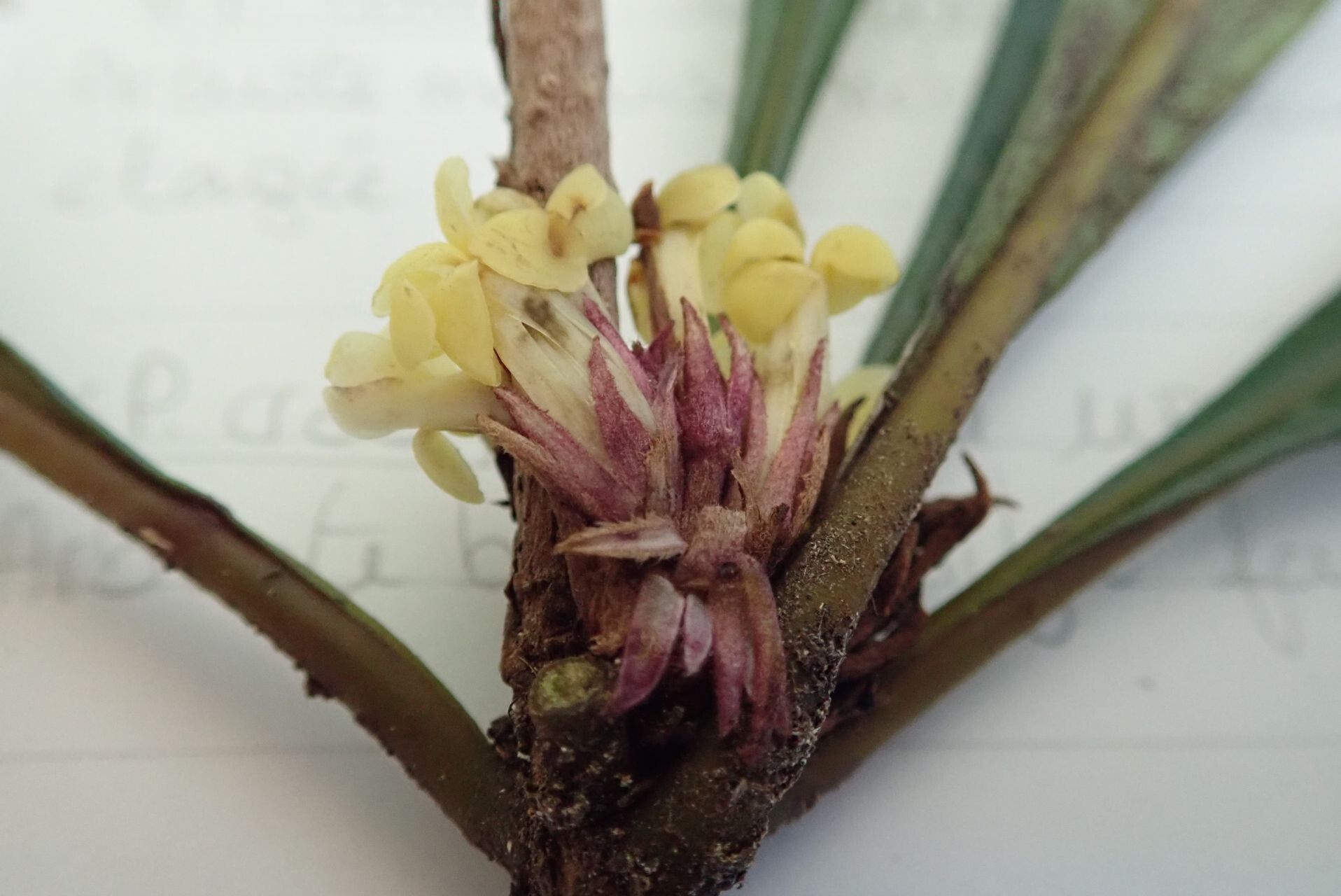
Unveiling the Secrets: Propagating the Exquisite Pittosporum Leratii
The Pittosporum leratii, with its glossy evergreen foliage and delicate, fragrant blooms, is a sight to behold. This captivating shrub, native to the enchanting islands of Madeira, adds a touch of exotic elegance to any garden. While readily available in nurseries, there’s a special satisfaction in propagating your own Pittosporum leratii. This journey of nurturing new life from an existing plant is a rewarding experience for any plant enthusiast.
So, let’s delve into the world of propagation and unlock the secrets to successfully multiplying your very own Pittosporum leratii.
Understanding the Two Paths: Seed vs. Cuttings
When it comes to propagating Pittosporum leratii, you have two main avenues: seeds and cuttings. Each method comes with its own set of advantages and challenges.
1. The Art of Growing from Seed:
While propagating from seed is entirely possible, it’s not the most common or fastest method. Pittosporum leratii seeds can be slow to germinate, and the resulting plants may not perfectly resemble the parent plant due to natural variations. However, if you’re patient and enjoy the challenge of nurturing a plant from its earliest stages, seed propagation can be a rewarding endeavor.
Here’s how to try it:
- Source your seeds: Harvest ripe seed pods directly from an existing plant or purchase them from a reputable supplier.
- Prepare for germination: Soak the seeds in water for 24 hours to enhance germination rates. Afterward, sow them in a well-draining seed-starting mix, lightly covering them with soil.
- Provide optimal conditions: Place the seed tray in a warm, bright location, ensuring the soil remains consistently moist but not waterlogged.
- Be patient and observant: Germination can take several weeks or even months. Once the seedlings emerge and grow a few sets of true leaves, you can transplant them into individual pots.
2. The Faster Route: Propagating from Cuttings
For a more predictable and efficient method, cuttings reign supreme. This technique involves taking a piece of stem from a healthy parent plant and encouraging it to develop roots, essentially creating a clone.
Here’s a step-by-step guide:
- Timing is key: The ideal time to take cuttings is during the plant’s active growing season in spring or early summer.
- Choose wisely: Select healthy, non-flowering stems, approximately 4-6 inches long. Make a clean cut just below a leaf node.
- Prepare the cutting: Remove the lower leaves from the cutting, leaving only a few at the top. This minimizes water loss and encourages root development.
- Hormone boost (optional): Dipping the cut end in rooting hormone powder can significantly increase the chances of successful rooting.
- Potting and care: Plant the cutting in a well-draining potting mix, burying the bottom node. Water thoroughly and cover the pot with a plastic bag or humidity dome to create a warm, humid environment.
- Monitoring progress: After a few weeks, gently tug on the cutting. If you feel resistance, it indicates root development!
Nurturing Your New Pittosporum Leratii
Once your new Pittosporum leratii plants, whether from seed or cuttings, have established a strong root system, it’s time to gradually acclimate them to outdoor conditions if desired. Choose a spot in your garden that provides partial shade and well-drained soil. Water regularly, especially during dry periods, and fertilize monthly during the growing season.
With patience, care, and a sprinkle of green-thumb magic, you’ll soon have multiple Pittosporum leratii shrubs gracing your garden with their elegance and captivating fragrance. Enjoy the journey of propagation and revel in the joy of watching new life flourish!