
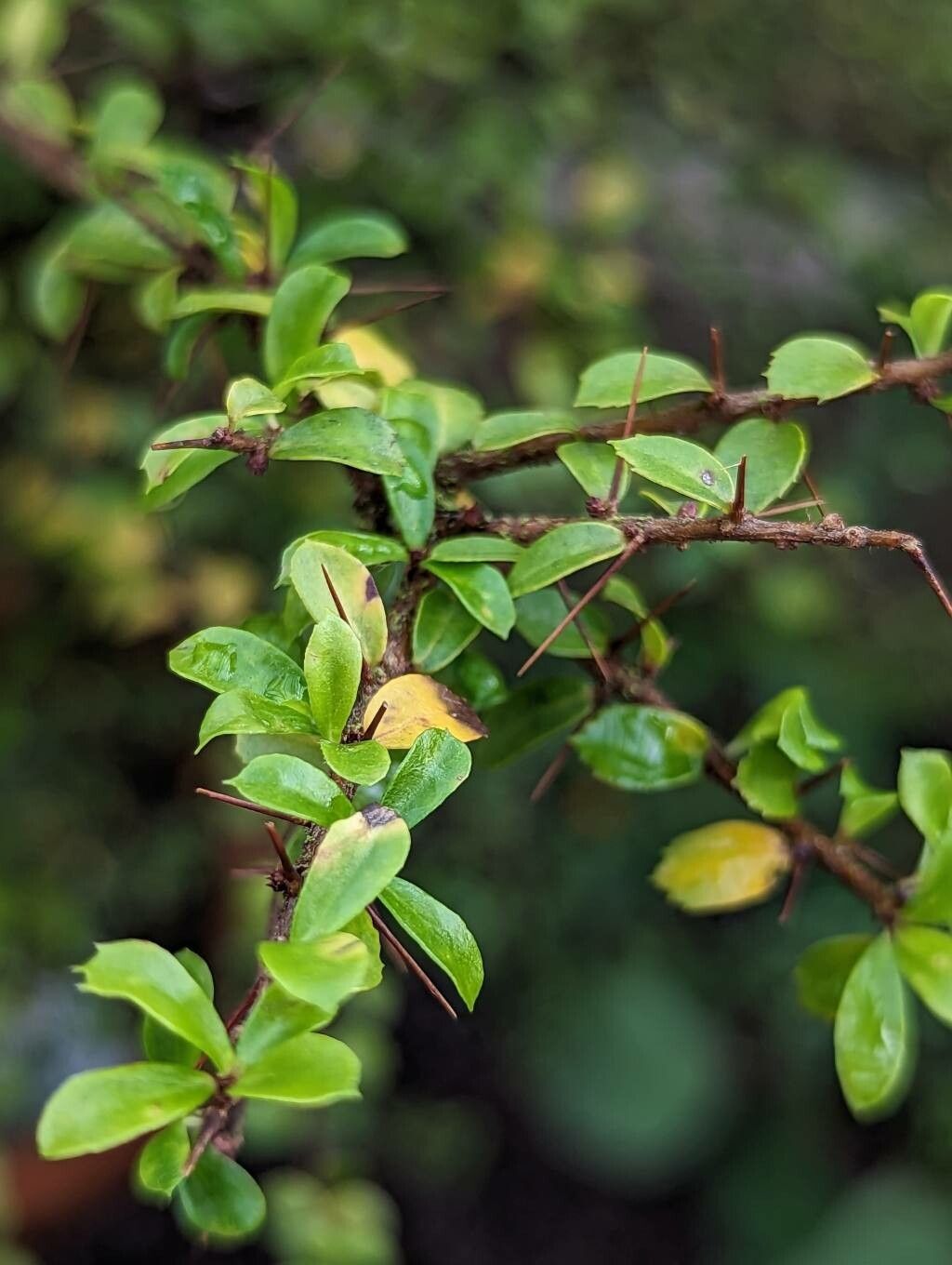
Unveiling the Secrets: How to Propagate the Enchanting Pittosporum Multiflorum
The Pittosporum multiflorum, also known as the “Orange Thorn” or “Cheesewood,” enchants with its glossy, deep green foliage and clusters of delicate, fragrant flowers. While readily available at nurseries, propagating your own Pittosporum multiflorum can be a rewarding experience for any plant enthusiast. Let’s dive into the two most common methods for multiplying this beautiful evergreen shrub:
1. Propagation from Seed:
While not as common due to the time investment required, propagation from seed offers a unique sense of accomplishment. Here’s how to embark on this gratifying journey:
- Seed Collection and Preparation: Collect ripe fruits from an established Pittosporum multiflorum in late autumn or early winter. These fruits resemble tiny oranges and should be soft to the touch. Extract the seeds by carefully breaking open the fruit. Soak the seeds in warm water for 24 hours to remove any remaining pulp and improve germination rates.
- Sowing: Choose a well-draining seed-raising mix and fill a seed tray or small pots. Sow the seeds at a depth of about ½ inch and gently cover them with the mix. Water thoroughly using a gentle spray bottle to avoid dislodging the seeds.
- Creating Ideal Conditions: Place the seed tray in a warm, brightly lit location, but avoid direct sunlight, which can be harsh on young seedlings. A propagator with a heat mat can provide optimal germination temperatures (around 70°F or 21°C).
- Patience is Key: Germination can be slow and erratic, often taking anywhere from a few weeks to several months. Keep the seed-raising mix consistently moist but not waterlogged. Once the seedlings emerge and have developed a few sets of true leaves, they can be carefully transplanted into individual pots.
2. Propagation from Cuttings:
Propagating Pittosporum multiflorum from cuttings is generally considered a quicker and more reliable method, offering faster results:
- Timing is Everything: Take cuttings in late spring or early summer, when the plant is actively growing. Choose healthy, semi-hardwood stems that have just started to mature (slightly brown and firm).
- Taking the Cuttings: Using a sharp, sterilized pruning shear or knife, make a clean cut just below a leaf node (where the leaf emerges from the stem). Aim for a cutting that’s about 4-6 inches long. Remove the lower leaves from the cutting, leaving only a few leaves at the top.
- Encouraging Root Development: Dip the cut end of the cutting in a rooting hormone powder to stimulate root growth. Plant the cuttings in a well-draining potting mix, burying about a third of their length.
- Moisture is Key: Water the cuttings thoroughly and cover the pot with a clear plastic bag or humidity dome to create a warm, humid environment. This will help retain moisture and promote rooting.
- Patience and Observation: Keep the cuttings in a brightly lit location, away from direct sunlight. Maintain consistently moist but not soggy soil. Root development can take several weeks. Once you see new growth emerging, it’s a good sign that roots have formed.
Transplanting and Beyond:
Whether you’ve propagated from seed or cuttings, once your new Pittosporum multiflorum plants are established (strong root systems and new growth are good indicators), you can transplant them to larger containers or directly into your garden. Remember to choose a location with well-drained soil and partial shade to full sun depending on your climate. With proper care and attention, your propagated Pittosporum multiflorum will thrive and grace your landscape for years to come.