
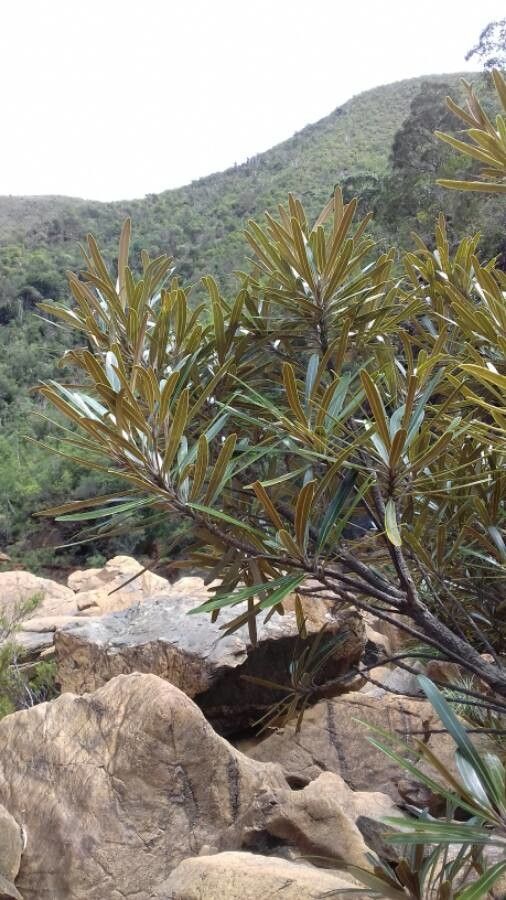
From Seed to Sapling: A Guide to Propagating the Rare Planchonella baillonii
The Planchonella baillonii, also known as the Yellow Boxwood or Bastard Ironwood, is a majestic evergreen tree native to the rainforests of Australia. While not as commonly seen in cultivation as other rainforest species, its attractive foliage, ecological importance, and potential as a timber source make it an intriguing choice for passionate plant enthusiasts seeking a unique addition to their gardens.
Propagating the Planchonella baillonii can be a rewarding, albeit slightly challenging, experience. While information on its propagation is limited compared to more common species, this guide will delve into the known methods and provide insights to increase your chances of success.
Method 1: Seed Propagation
- Seed Collection: The key to successful propagation lies in obtaining fresh, viable seeds. Collect ripe fruits directly from the tree, ideally those that have fallen naturally. The fruits resemble berries and contain one or two seeds.
- Seed Preparation: Remove the fleshy fruit pulp, as it can inhibit germination. Some anecdotal evidence suggests soaking the seeds in lukewarm water for 24 hours can help soften the outer layer and improve germination rates.
- Sowing: Plant the seeds in a well-draining seed-raising mix, covering them with a thin layer of the medium. Maintaining a consistently moist environment is crucial. Using a propagator or covering the tray with a humidity dome can be beneficial.
- Patience is Key: Seed germination for Planchonella baillonii can be erratic and take several months. Don’t be disheartened if you don’t see results immediately. Place the seed tray in a warm, shaded location and continue to monitor moisture levels.
Method 2: Cuttings
- Timing is Everything: Taking cuttings during the active growing season, typically spring or early summer, is recommended. This period allows the cuttings more time to develop roots before winter dormancy.
- Selecting the Right Cutting: Choose healthy, semi-hardwood cuttings from the current year’s growth. The cutting should be about 10-15 cm long, with at least two nodes.
- Hormone Boost: While not always essential, dipping the base of the cutting in a rooting hormone powder can significantly enhance root development.
- Creating the Ideal Environment: Plant the cuttings in a well-draining potting mix specifically designed for cuttings. Maintain consistent moisture and humidity. Using a propagator or humidity dome can aid in creating a suitable environment.
General Tips for Success
- Patience: Remember, propagating Planchonella baillonii can take time. Be prepared for a potentially lengthy process and don’t be discouraged by initial setbacks.
- Optimum Conditions: Maintaining consistently warm temperatures, high humidity, and providing bright, indirect light are crucial for both seed and cutting propagation.
- Hygiene Matters: Ensure all your tools and propagation materials are clean and sterilized to prevent the spread of diseases.
- Research and Adaptation: This guide provides general information, but it’s essential to adapt these techniques based on your specific environment and available resources.
Propagating the Planchonella baillonii can be a journey of patience and discovery. However, the reward of successfully nurturing this magnificent rainforest tree from seed or cutting to a flourishing sapling is well worth the effort. Not only will you be contributing to the conservation of this remarkable species, but you’ll also have the satisfaction of knowing you’ve played a part in expanding its presence beyond its natural habitat.