
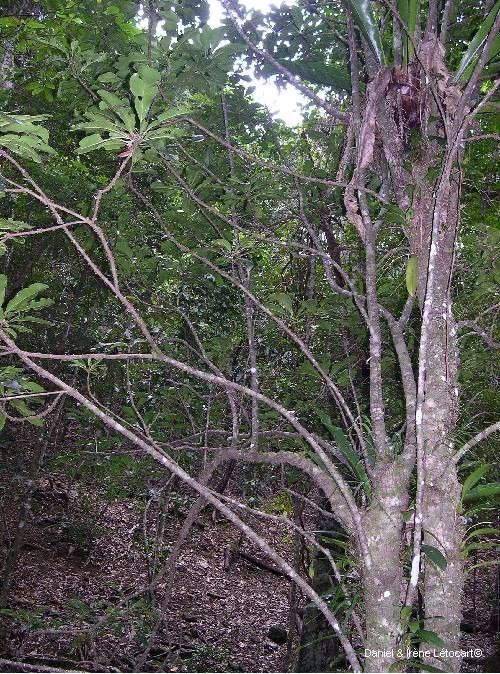
From Seed to Sapling: Unlocking the Secrets of Propagating the Deliciously Rare Planchonella Cauliflora
The Planchonella cauliflora, also known as the "Karamunting" or "Dubi", might not be a household name, but this tropical fruit tree deserves a place in the spotlight. Native to Southeast Asia, particularly Borneo, this evergreen beauty offers not only delicious, sweet-tart fruits but also striking foliage and a unique story. But with limited availability and a touch of mystique, how can eager gardeners experience the joys of this exotic wonder? The answer lies in understanding the art of propagation.
Two Paths to Planchonella Paradise: Seeds vs. Cuttings
Propagating Planchonella cauliflora presents a couple of options, each with its own set of advantages and challenges:
1. The Seed Route: Embracing the Adventure
Planting seeds offers a sense of accomplishment and the excitement of witnessing a plant’s entire life cycle. However, it’s not for the impatient gardener.
- Sourcing Seeds: Finding viable seeds can be a challenge due to the plant’s rarity. Look online for specialized nurseries or connect with botanical gardens that might offer seeds or seedlings.
- Preparing for Germination: Planchonella cauliflora seeds benefit from pre-treatment. Soaking them in lukewarm water for 24 hours can soften the outer shell and encourage germination.
- Planting with Patience: Use a well-draining seed-starting mix and keep it consistently moist but not waterlogged. Be prepared to wait, as germination can take several weeks or even months.
- Care for Your Seedlings: Provide warmth and indirect sunlight to your seedlings. Once they have a few sets of true leaves, they can be gradually acclimated to more direct sun.
2. The Cutting Edge: A Faster Approach
Taking cuttings from a mature Planchonella cauliflora offers a quicker path to a fruiting tree, but it requires access to an existing plant.
- Choosing the Right Cuttings: Select semi-hardwood cuttings, about 4-6 inches long, from healthy branches.
- Hormone Help: Dipping the cut end in rooting hormone can significantly increase your success rate.
- Creating the Right Environment: Plant the prepared cuttings in a well-draining medium and provide humidity using a propagation dome or a plastic bag.
- Rooting Success: Within a few weeks, you should start to see new growth, indicating that the cuttings have rooted.
Nurturing Your Planchonella Cauliflora
Regardless of the propagation method you choose, providing the right care is essential for healthy growth:
- Well-Drained Soil: Planchonella cauliflora thrives in soil that drains well. Adding organic matter, like compost, can improve drainage while providing nutrients.
- Sun-Kissed Leaves: While seedlings prefer indirect sun initially, mature plants enjoy full sun to partial shade.
- Consistent Moisture: Keep the soil consistently moist, especially during dry periods. However, avoid overwatering, which can lead to root rot.
- Feeding for Success: Fertilize your Planchonella cauliflora regularly during the growing season using a balanced fertilizer to support healthy growth and fruiting.
Reaping the Rewards
Successfully propagating and caring for Planchonella cauliflora comes with the ultimate reward—the joy of harvesting and savoring its exquisite fruits. These unique berries, with their thin skin and juicy, sweet-tart flesh, are delicious eaten fresh or transformed into jams, jellies, and even wine.
Propagating this rare gem might require some patience and effort, but the journey is as rewarding as the destination. So, why not embark on this botanical adventure and experience the magic of the Planchonella cauliflora firsthand? You might just discover your new favorite fruit!