
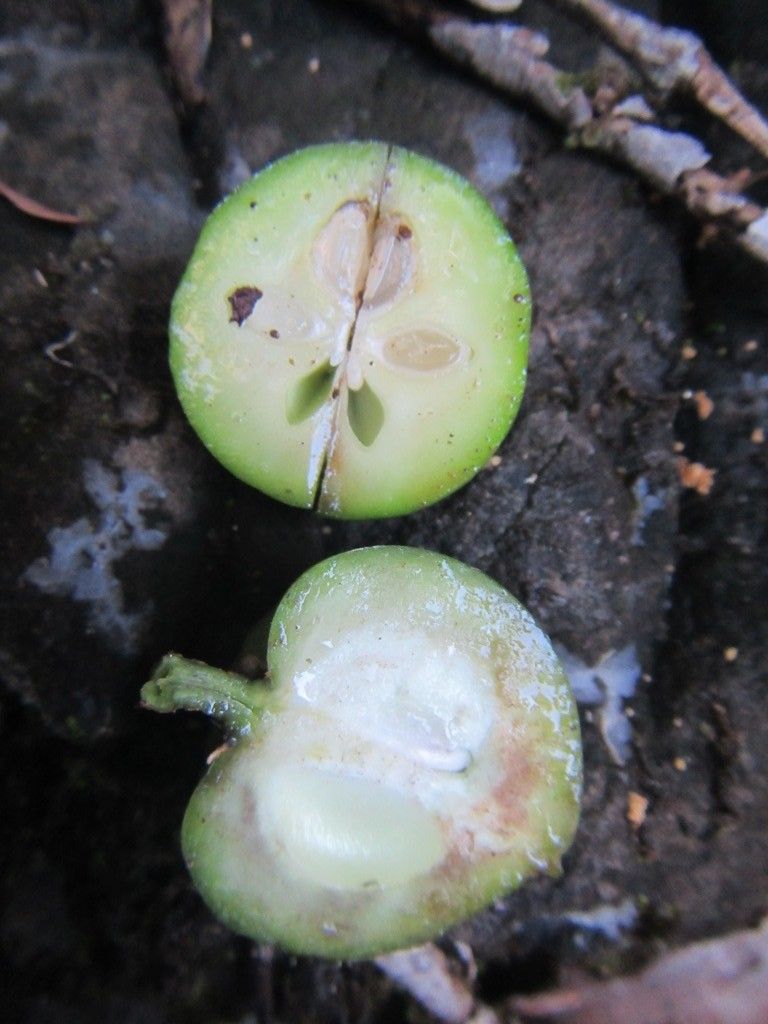
Unlocking the Secrets of the Critically Endangered Planchonella dothioensis: Can You Help Save This Rare Tree?
The Planchonella dothioensis isn’t a household name. You won’t find it gracing trendy Instagram feeds or starring in gardening blogs. However, this unassuming tree, found only in a tiny corner of New Caledonia, harbors a story of resilience and a desperate plea for survival.
Classified as Critically Endangered by the IUCN Red List, the Planchonella dothioensis faces an uncertain future. With only a handful of mature individuals clinging to existence in the wild, understanding its propagation is crucial for conservation efforts.
The Challenges of Propagating a Phantom
Information on propagating the Planchonella dothioensis is scarce, primarily due to its rarity and the urgency of its situation. Much of what we know about its reproduction is inferred from closely related species within the Sapotaceae family. This family, known for its delicious fruits like mangosteens and sapotes, typically relies on seeds for propagation.
Seed Propagation – A Race Against Time:
- Collection: Sourcing viable seeds is the first hurdle. With so few trees remaining, accessing fruits and ensuring they contain healthy seeds is paramount.
- Germination: Like many tropical species, these seeds likely experience dormancy, requiring specific environmental cues to germinate. Research on optimal temperatures, humidity levels, and pre-treatment techniques is vital.
- Seedling Care: Once germinated, the young saplings need attentive care. Their specific light, water, and nutrient needs are still being deciphered, demanding careful observation and experimentation.
Exploring Alternative Propagation Techniques:
While seeds hold promise, exploring alternative methods could increase the chances of success:
- Cuttings: Taking stem cuttings from surviving trees and rooting them in controlled environments might provide a faster means of producing new plants. However, the success rate often depends on the plant’s hormonal balance and the specific techniques used.
- Grafting: This method, commonly used for fruit trees, involves joining a cutting from the desirable tree (scion) onto the rootstock of a related species. While potentially effective, finding a compatible rootstock and mastering the grafting technique would be essential.
Beyond the Lab – Conservation in Action
The fight to save the Planchonella dothioensis extends beyond propagation techniques. Understanding the threats it faces in the wild is equally crucial:
- Habitat Loss: As with many endangered species, habitat destruction due to deforestation and land conversion poses a significant threat.
- Climate Change: The changing climate brings new challenges, potentially impacting the tree’s delicate reproductive cycle and increasing the frequency of extreme weather events.
- Limited Genetic Diversity: With such a small population, the species suffers from low genetic diversity, making it more susceptible to diseases and less adaptable to change.
Hope for the Future?
The fate of the Planchonella dothioensis hangs precariously, but hope remains. Dedicated scientists and conservationists are working tirelessly to unravel its secrets. By understanding its propagation needs and addressing the threats it faces, we can strive to increase its numbers and secure a future for this remarkable tree.
While we may not all be scientists or botanists, we can play a role in supporting conservation efforts. Raising awareness, donating to organizations involved in plant conservation, and even choosing sustainably sourced products all contribute to protecting biodiversity on our planet. The Planchonella dothioensis, though relatively unknown, reminds us that even the smallest voice can amplify the call for conservation and inspire action.