
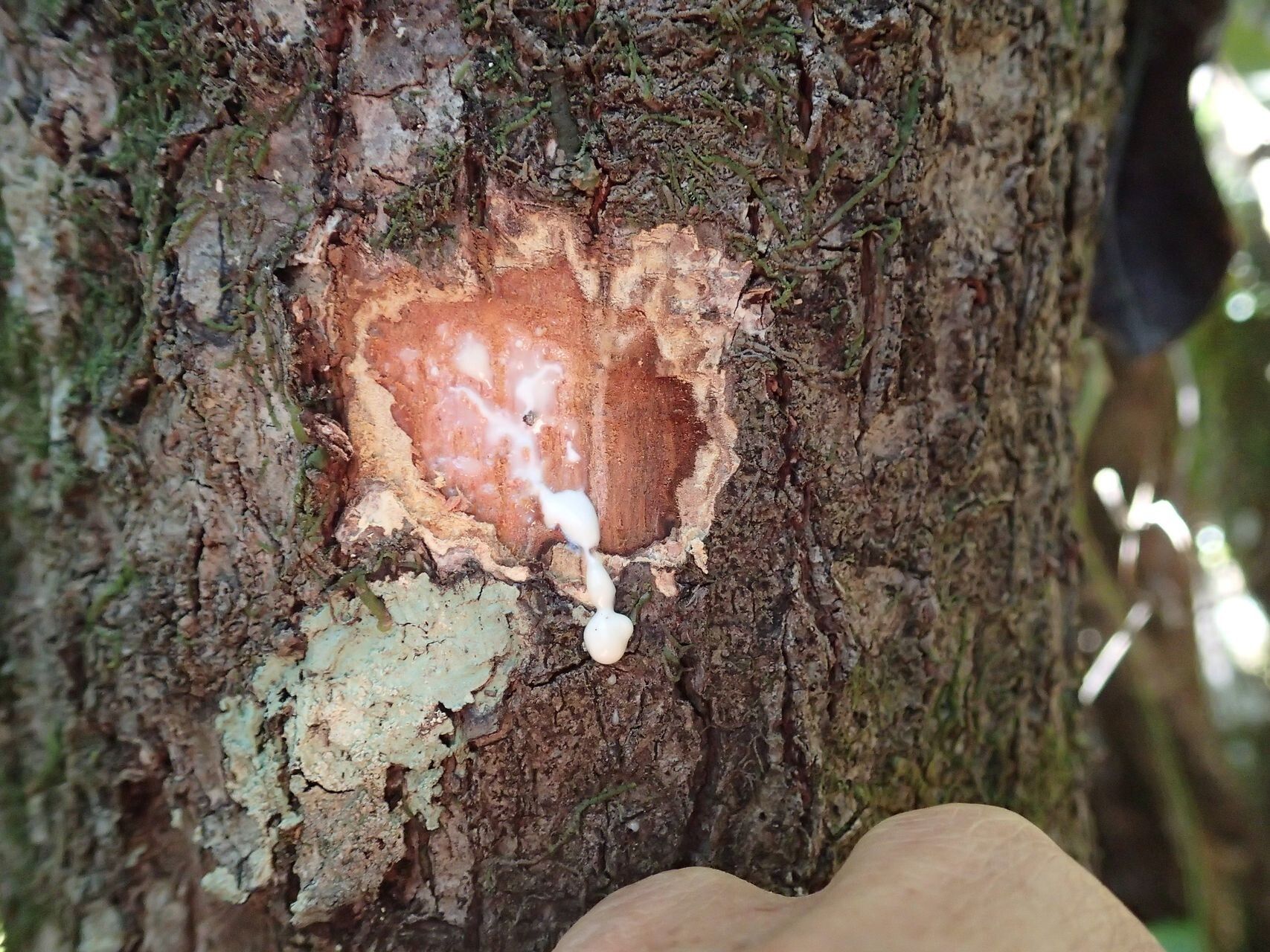
Unlocking the Secrets of the Satinash: A Guide to Propagating Planchonella endlicheri
The Satinash (Planchonella endlicheri), a rainforest native of Australia, is a captivating tree with its lush foliage, creamy flowers, and vibrant red berries. While widely admired for its ornamental features and ecological importance, cultivating this beauty from scratch can seem daunting. Fear not! This guide delves into the art of propagating Planchonella endlicheri, empowering you to grow this magnificent tree and contribute to its conservation.
Two Paths to Propagation: Seeds vs. Cuttings
Propagating Satinash can be achieved through two primary methods: seeds and cuttings. Each comes with its own set of advantages and challenges.
1. The Way of the Seed: A Test of Patience
Propagating from seed offers a rewarding, albeit slow, journey. Here’s how it unfolds:
- Sourcing Seeds: Fresh seeds directly from ripe fruits yield the best results. Look for mature, healthy berries, usually appearing in autumn. Extract the seeds and clean off any remaining fruit pulp.
- Breaking Dormancy: Satinash seeds exhibit dormancy, meaning they require a little ‘encouragement’ to germinate. Soaking the seeds in warm water for 24 hours can help soften the seed coat and promote water absorption.
- Sowing the Seeds: Plant the seeds in a well-draining seed-raising mix, burying them about 1cm deep. Mist the soil regularly, ensuring consistent moisture without waterlogging.
- Patience, Young Padawan: Germination can be erratic, taking anywhere from a few weeks to several months. Maintaining a warm, humid environment (around 25°C) will encourage sprouting.
2. The Cutting Edge: A Quicker Route
Propagating from cuttings offers a faster route to a mature plant but demands precision and care:
- Timing is Key: Take cuttings in spring or early summer when the plant is actively growing.
- Selecting the Right Cuttings: Choose healthy, semi-hardwood cuttings approximately 10-15cm long. Each cutting should have several leaf nodes.
- Preparing the Cuttings: Remove the lower leaves from each cutting, leaving only 2-3 leaves at the top. Dip the cut end in rooting hormone to encourage root development.
- Planting the Cuttings: Insert the cuttings into a moist, well-draining potting mix specifically designed for cuttings. Maintain a humid environment by covering the pot with a clear plastic bag or using a propagation dome.
- Rooting and Growth: Within a few weeks, the cuttings should develop roots. Once the roots establish and new growth appears, gradually acclimatize the plants to outdoor conditions before transplanting.
Nurturing Your Satinash: A Lifelong Commitment
Successful propagation is only the first step. Here are some general care tips for your young Satinash:
- Light & Location: Satinash thrives in full sun to partial shade. Choose a location that provides adequate sunlight while protecting young plants from scorching midday heat.
- Watering: Water regularly, especially during dry periods, ensuring the soil remains moist but not waterlogged.
- Soil & Drainage: Opt for well-draining soil rich in organic matter.
- Fertilization: Feed with a balanced fertilizer during the growing season to promote healthy growth.
Propagating Planchonella endlicheri is a rewarding endeavor that directly contributes to the preservation of this remarkable species. By embracing the techniques outlined above and providing attentive care, you can witness the magic of life unfold as you nurture your very own Satinash.