
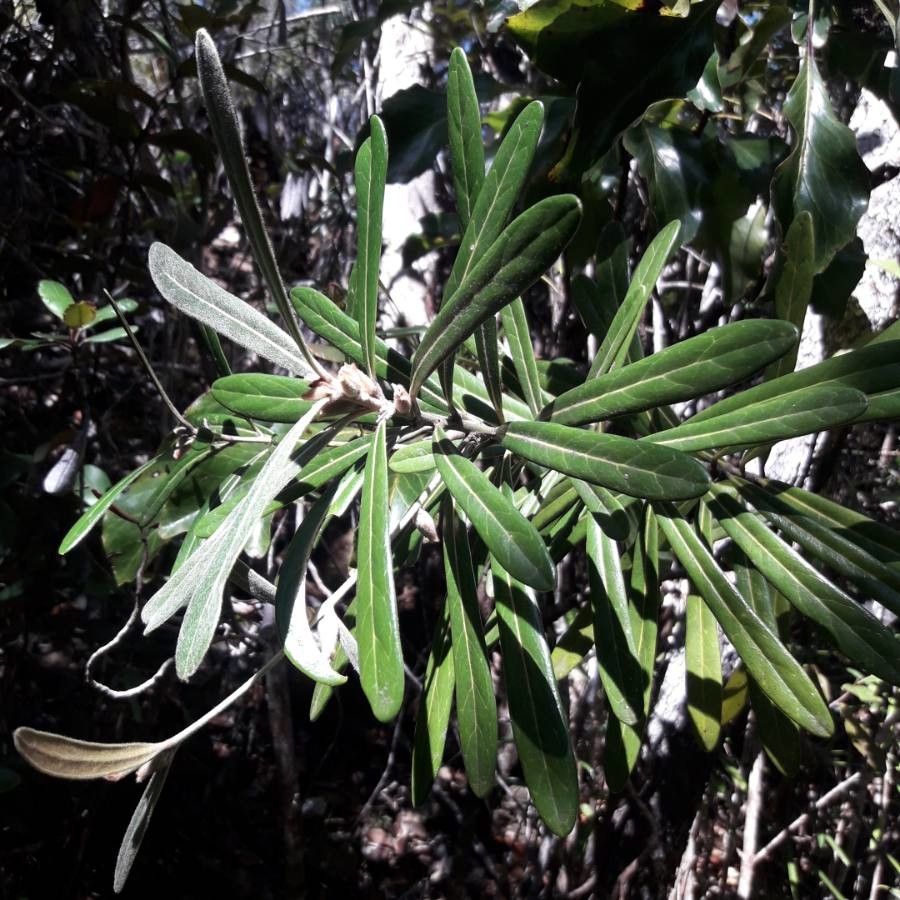
Propagating Planchonella kaalaensis: A Gardener’s Guide to a Rare Gem
Introduction:
Planchonella kaalaensis, also known as the Kaala Mountain Planchonella, is a rare and captivating tree endemic to the Hawaiian Islands. Its glossy, dark green leaves, attractive branching structure, and potential for a beautiful, albeit slow-growing, form make it a highly sought-after plant among discerning gardeners. Its rarity, however, presents challenges for propagation, making successful cultivation a particularly rewarding experience. This article explores various propagation methods for this unique species, outlining both the challenges and rewards.
Seed Germination:
Currently, there are no known reliable methods for seed germination propagation of Planchonella kaalaensis. While the plant produces seeds, germination rates are extremely low, likely due to factors such as seed dormancy, specific environmental requirements, and potentially short viability periods. Further research into seed treatment techniques, including stratification and scarification, alongside controlled environmental conditions, may be needed to develop a viable seed propagation method.
Cuttings:
Propagating Planchonella kaalaensis from cuttings presents a more promising avenue, though still not without its challenges. Success depends heavily on factors such as the timing of the cutting (ideally, semi-hardwood cuttings taken in late spring or early summer), the use of rooting hormone, a high-humidity environment (e.g., propagation chamber or humidity dome), and consistent bottom heat.
Challenges: Low rooting success rates are likely, even with optimal conditions. The slow growth of the plant also means significant patience is required.
Practical Tips: Use a sharp, clean blade to take cuttings, ensuring a wound free of fungal contamination. Employ a rooting hormone containing auxins to stimulate root development. Maintain consistent soil moisture but avoid overwatering, which can lead to rot.
Rewards: Cuttings offer a relatively straightforward method, potentially bypassing the seed germination issues. Maintaining the genetic characteristics of the parent plant is also a significant advantage compared to seed propagation.
Division:
Division is entirely unsuitable for propagating Planchonella kaalaensis. This tree is not naturally clonal and exhibits substantial taproot development, making separation and the survival of divisions highly improbable.
Tissue Culture:
Tissue culture presents the most promising, albeit complex and expensive, method for propagating Planchonella kaalaensis. This technique involves growing plant tissues in a sterile environment using specialized nutrient media.
Challenges: Establishing a sterile culture and identifying optimal growth media formulations for this species requires laboratory expertise and significant trial and error. This is typically only undertaken by research institutions or specialized nurseries.
Practical Tips: Sourcing sterile plant material and maintaining a consistently aseptic environment are absolutely critical to success. Expertise in tissue culture techniques is essential.
Rewards: Tissue culture offers the potential for mass propagation, allowing for the conservation and wider distribution of this rare species. Genetic uniformity can be achieved, useful in research or horticulture initiatives.
Conclusion:
Propagating Planchonella kaalaensis presents unique and significant challenges across all common methods. While seed germination currently seems unfeasible, cuttings offer a more realistic (though still challenging) approach for the dedicated home gardener. Tissue culture remains the most promising avenue for large-scale propagation, though it demands specialized knowledge and resources.
Despite the difficulties, the rewards of cultivating this exceptional Hawaiian native are immense. The satisfaction derived from successfully propagating and nurturing a rare plant, especially one with such a captivating presence, is a testament to perseverance and horticultural skill. For aspiring propagators, patience, attention to detail, and a willingness to experiment are essential qualities for success. Don’t be discouraged by initial setbacks; the journey itself is as rewarding as the outcome.