
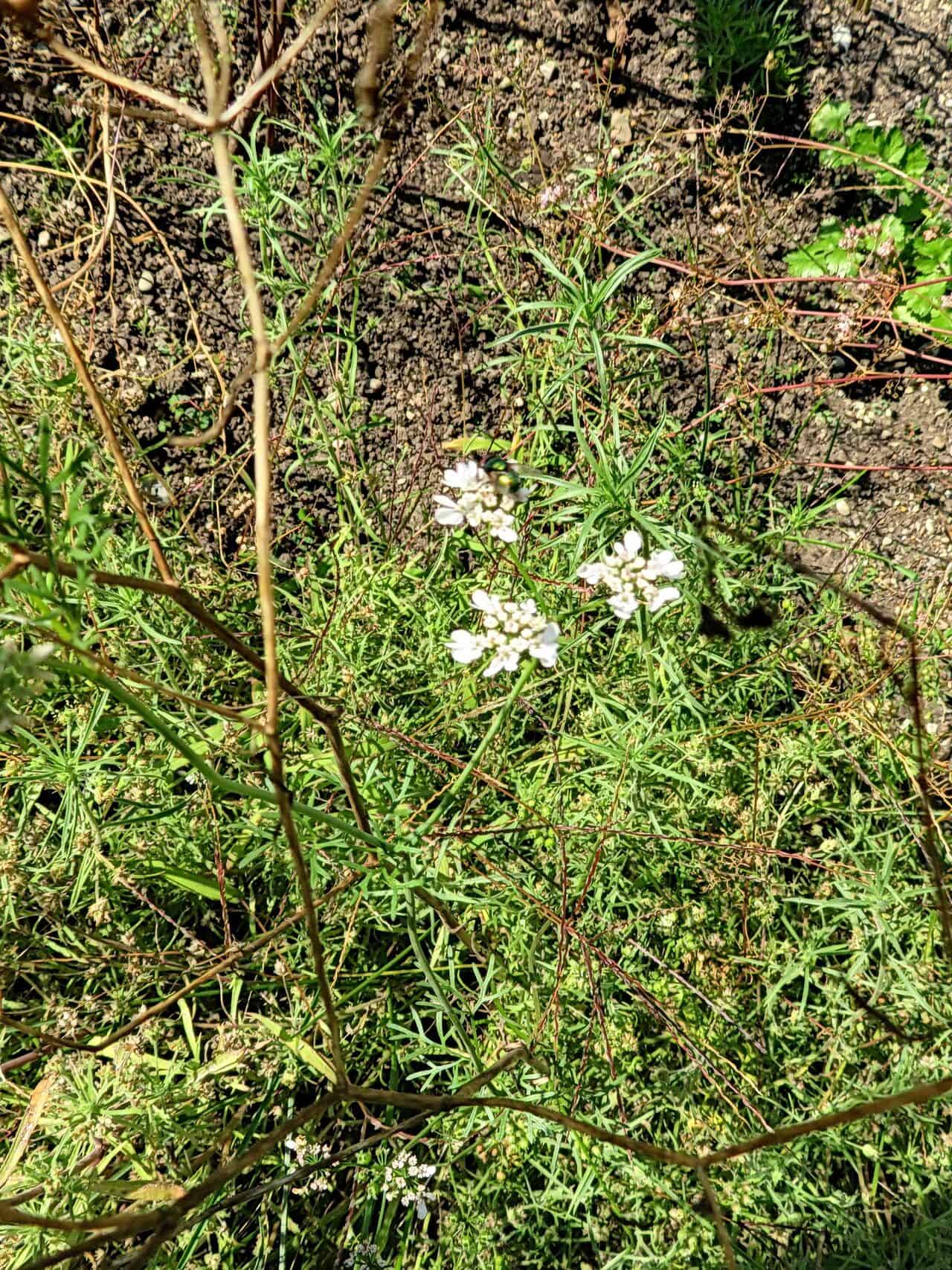
Sow the Seeds of Success: Propagating Plantago afra (and Why You Should!)
Plantago afra, more commonly known as psyllium, is an unassuming plant with remarkable benefits. Used for centuries in traditional medicine, psyllium is likely best known for its fiber content which does wonders for digestive health. But did you know that this powerhouse plant is surprisingly easy to grow yourself? Whether you’re a seasoned gardener or a green-thumb newbie, propagating Plantago afra is a rewarding endeavor.
Let’s dive into the world of psyllium propagation and discover just how simple it is to invite this beneficial botanical into your backyard or windowsill garden.
Two Paths to Psyllium:
1. Starting from Seed:
- When to sow: Psyllium seeds prefer cooler temperatures, making spring or fall the ideal seasons for sowing. In milder climates, you can even try a winter sowing.
- Sowing the seeds:
- Direct sowing: Sprinkle seeds directly onto prepared soil after the last frost. Ensure the area is weed-free and the soil is loose and well-draining. Lightly rake the seeds into the soil, aiming for a depth of about ¼ inch.
- Indoor sowing: Start seeds indoors 4-6 weeks before the last expected frost. Use a seed starting mix and keep the soil consistently moist but not waterlogged. A sunny windowsill provides ample light.
- Thinning: Once seedlings reach 2-3 inches tall, thin them out to allow 6-8 inches between plants. This allows for healthy air circulation and prevents overcrowding.
2. Division: For Established Plants
- Timing is key: Divide established Plantago afra plants in early spring or fall.
- Divide and conquer: Gently dig around the plant, ensuring you lift the entire root system. Carefully separate the plant into smaller sections, each containing a good amount of roots and shoots.
- Replanting: Replant your divisions immediately at the same depth they were originally growing. Water them well to help them establish in their new home.
Nurturing Your Plantago Afra:
- Sunlight: Psyllium thrives in sunny locations, so choose a spot in your garden that receives at least 6 hours of direct sunlight per day.
- Soil: Well-drained soil is essential. While Plantago afra can tolerate poor soil conditions, amending the soil with compost will promote healthier growth and a more robust harvest.
- Water: Water regularly, especially during the first few weeks after planting or transplanting. Aim to keep the soil consistently moist but not waterlogged. Once established, Plantago afra is relatively drought-tolerant.
- Fertilizer: Psyllium is not a heavy feeder. An application of balanced fertilizer in spring is usually sufficient.
- Pests and Diseases: Plantago afra is generally a hardy plant and not prone to major pest or disease issues. However, keep an eye out for slugs and snails, especially in humid environments.
Reaping the Rewards:
Once your Plantago afra plants mature, you can start harvesting the seed husks for their remarkable health benefits. The husks are typically ready for harvest when the seed heads turn brown and begin to dry out.
Growing your own Plantago afra is a fulfilling experience, and by following these simple propagation methods, you can enjoy the rewards of this versatile and valuable plant for years to come.