
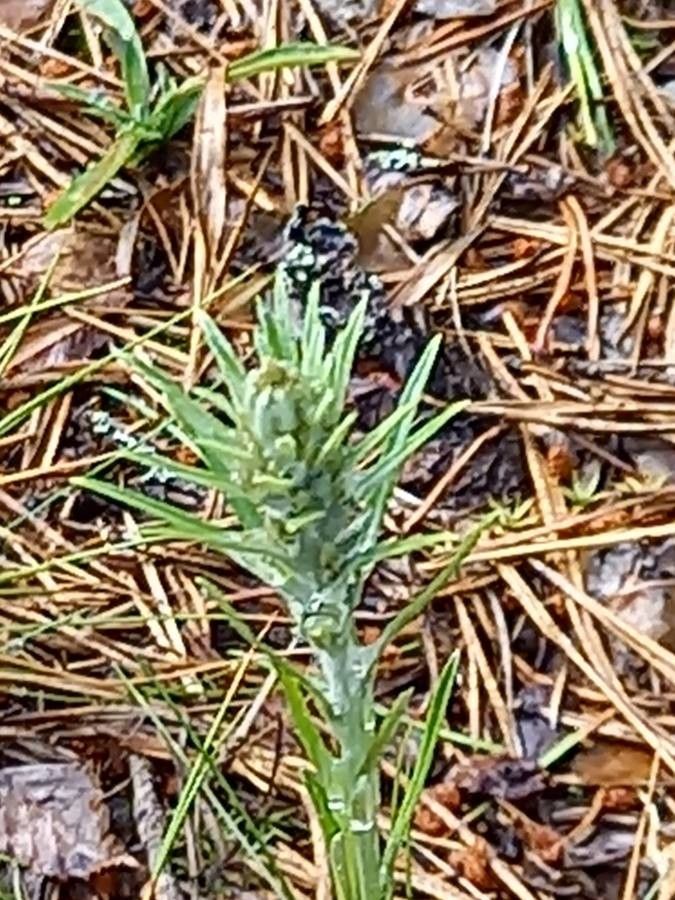
Propagating Plantago aristata: A Gardener’s Guide
Introduction:
Plantago aristata, also known as prickly plantain or bristle plantain, is a relatively unassuming yet fascinating plant. Its slender, lanceolate leaves and distinctive, bristle-tipped seed heads make it an interesting addition to wildflower meadows, rock gardens, or even as a unique ground cover. While not as widely popular as some other garden plants, its hardiness and tolerance of poor conditions have earned it a following amongst gardeners interested in low-maintenance, ecologically friendly landscaping. Moreover, its potential medicinal properties contribute to its appeal for some enthusiasts. Propagating Plantago aristata presents some unique challenges, but the rewards for successful cultivation are considerable.
Seed Germination:
Seed germination for Plantago aristata is a viable but challenging method. The seeds possess a hard seed coat, which can inhibit water uptake and delay or prevent germination. Therefore, scarification is often necessary. This can be achieved by gently nicking the seed coat with a sharp knife or by using sandpaper to lightly abrade the surface.
Challenges: Low germination rates are common even with scarification.
Practical Tips: Sow seeds thinly onto well-draining seed compost in spring or autumn. Maintain consistent moisture but avoid waterlogging. A warm, but not excessively hot (around 20-25°C), environment is ideal. Consider using a propagator to maintain humidity. Stratification (a period of cold, moist storage) may improve germination rates but research on the specific requirements for Plantago aristata is limited.
Rewards: Seed propagation allows for the creation of numerous plants from a small amount of seed, offering significant cost-effectiveness and the opportunity to maintain genetic diversity across a population.
Cuttings:
Currently, there are no known reliable methods for propagation of Plantago aristata from cuttings. The plant’s physiological characteristics may make it difficult to root from stem cuttings or leaf cuttings. Further research is needed to determine the feasibility of this method.
Division:
Division is a potentially successful method for propagating Plantago aristata. This plant often forms clumps over time.
Challenges: Ideally, division should be undertaken in spring or autumn when the plant is actively growing or beginning to recover from dormancy. Overly aggressive division can damage the plant and reduce its chances of survival.
Practical Tips: Carefully dig up the entire clump and gently separate it into smaller sections, ensuring each division has sufficient roots and foliage. Replant the divisions promptly and water thoroughly.
Rewards: Division is a quick and reliable method for increasing the number of Plantago aristata plants, especially useful for larger, established specimens. It offers good success rates compared to other propagation methods.
Tissue Culture:
Tissue culture propagation of Plantago aristata has not been extensively documented. Although this method offers the potential for mass propagation of genetically identical plants, its technical complexity and high start-up costs make it generally impractical for home gardeners.
Conclusion:
Propagating Plantago aristata presents a unique blend of challenges and rewards. Seed germination, while viable, requires patience and specific techniques to overcome the hard seed coat. Division offers a more reliable approach, particularly for established plants. Cuttings and tissue culture are currently not proven methods. The difficulty in propagating this plant however, adds to the sense of accomplishment experienced upon successful cultivation. The perseverance involved in mastering any one of the successful methods fosters a deep connection with this often-overlooked species. It is a testament to the enduring challenge and remarkable satisfaction inherent in cultivating even the most unassuming of plants. For aspiring propagators, approaching the task methodically, starting with division, and patiently experimenting with seed germination, will provide the most rewarding experiences.