
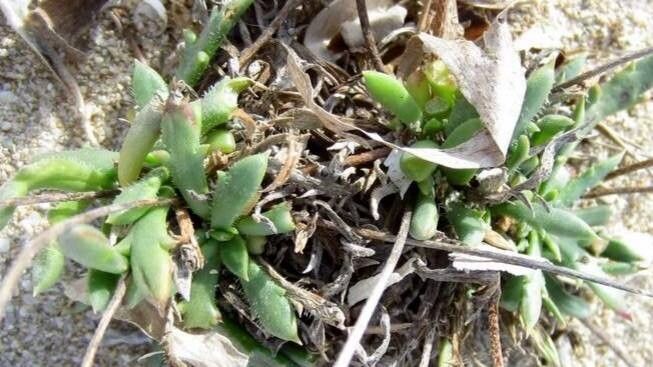
Propagating Plantago crassifolia: A Challenging but Rewarding Endeavor
Introduction
Plantago crassifolia, commonly known as thick-leaved plantain or seaside plantain, is a fascinating plant boasting thick, succulent leaves and a robust nature, making it a sought-after addition to coastal gardens and those requiring drought-tolerant landscaping. Its ability to thrive in challenging conditions, coupled with its attractive foliage, has garnered increasing popularity among gardeners. However, propagating this species presents some unique challenges, making successful cultivation a rewarding achievement for the dedicated plant enthusiast.
Seed Germination
Currently, there are no known reliable methods for seed germination propagation of Plantago crassifolia. While the plant does produce seeds, germination rates are notoriously low, and consistent success has not been documented in horticultural literature. Further research is needed to determine optimal conditions for seed germination, potentially involving various stratification techniques or employing specific growth hormones.
Cuttings
Propagating Plantago crassifolia from cuttings offers a more promising approach than seed germination.
Challenges: Success depends heavily on timing and technique. Taking cuttings from healthy, actively growing stems is crucial. The succulent nature of the leaves can make them prone to rotting if not handled carefully.
Practical Tips: Semi-hardwood cuttings taken in late spring or early summer demonstrate better success rates. Use a sharp, clean blade to take cuttings about 4-6 inches long, removing lower leaves to prevent rot. Dip the cut ends in rooting hormone before planting them in a well-draining propagation mix (e.g., a mixture of perlite and vermiculite). Keep the cuttings consistently moist but not waterlogged, under a humidity dome or in a propagator to maintain high humidity.
Rewards: Cuttings offer a relatively quick and efficient way to produce genetically identical offspring from a parent plant known to thrive in your specific conditions. This method also allows for larger-scale propagation compared to division.
Division
Division is another feasible method for propagating Plantago crassifolia, particularly for established plants.
Challenges: Successful division relies on the plant having developed a sufficient root system with multiple crowns. Care must be taken to avoid damaging the roots during separation.
Practical Tips: Divide the plant in early spring or autumn when the soil is moist and the plant is actively growing. Dig up the entire plant, carefully separating the crowns with a sharp knife or spade, ensuring each division has a healthy portion of roots and foliage. Replant the divisions immediately, keeping the soil consistently moist until they are established.
Rewards: Division offers a relatively simple and rapid means of propagating a mature plant, ensuring each division retains the same characteristics as the mother plant. It’s particularly useful for increasing the number of plants in a specific area.
Tissue Culture
Tissue culture, while technically feasible, is not a commonly employed method for propagating Plantago crassifolia due to the specialized knowledge and equipment required.
Challenges: Establishing sterile conditions and developing appropriate culture media for Plantago crassifolia would require significant expertise in tissue culture techniques.
Practical Tips: This method would require professional laboratory conditions, specialized growth media, and strict adherence to aseptic techniques. Specific medium compositions and growth hormones would need to be experimentally determined.
Rewards: Tissue culture offers the potential for large-scale propagation and the elimination of diseases. It also allows for the conservation of genetic material. However, the initial cost and expertise required present significant barriers.
Conclusion
Propagating Plantago crassifolia presents unique challenges regardless of the chosen method. While seed germination remains unreliable, cuttings and division offer viable options for the home gardener. Tissue culture, though potentially rewarding, is best suited to specialized laboratories. The effort invested in successfully propagating this plant, however, is handsomely rewarded by the satisfaction of nurturing a hearty and resilient species. For beginners, starting with cuttings is recommended. Patience, careful attention to detail, and a willingness to experiment are key ingredients in achieving success. Don’t be discouraged by initial setbacks—perseverance will eventually yield the rewards of a thriving thick-leaved plantain in your garden.