
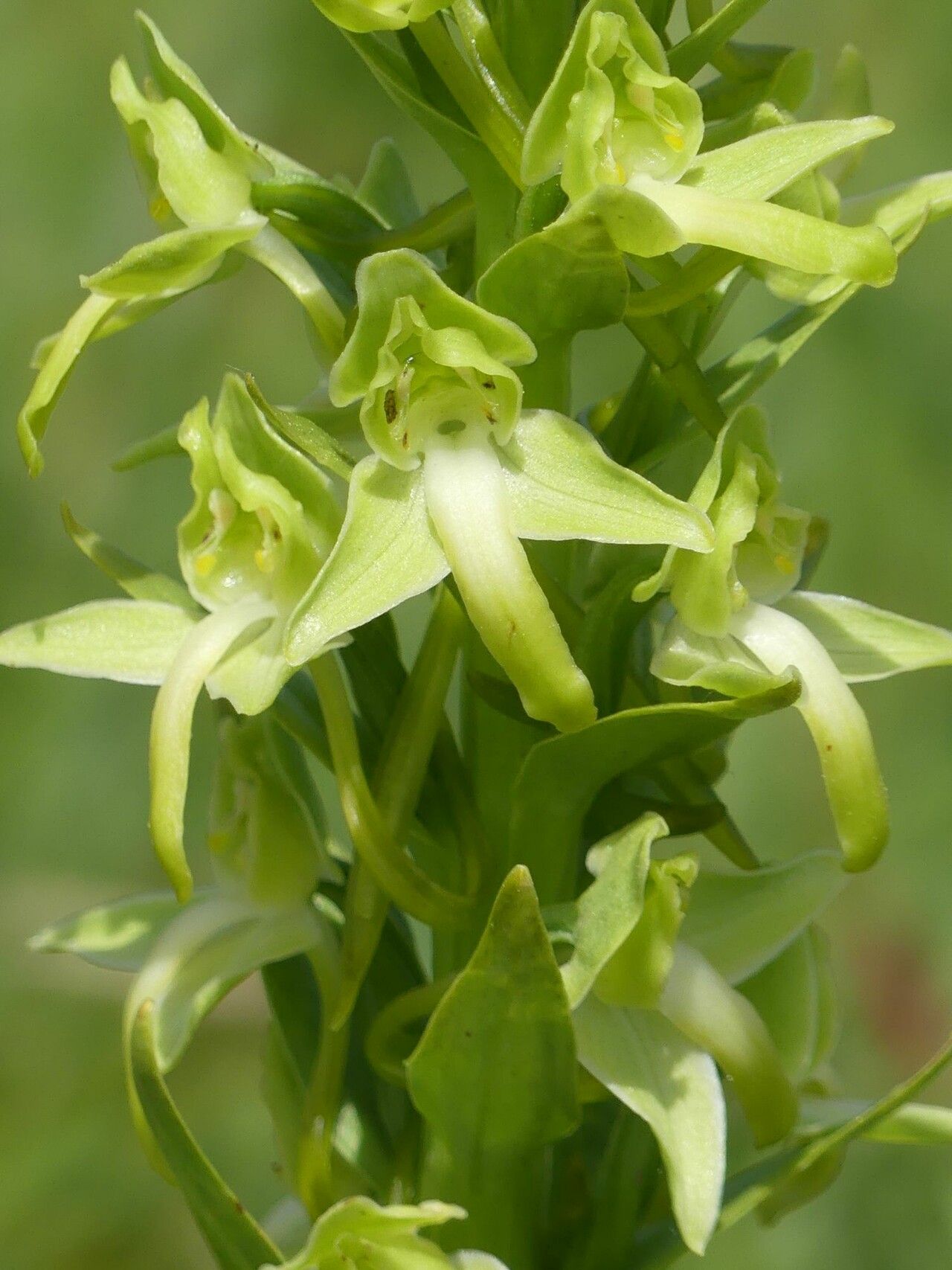
Unveiling the Secrets to Propagating the Algerian Orchid: A Guide to Bringing New Life to Platanthera algeriensis
The Platanthera algeriensis, commonly known as the Algerian Orchid, is a captivating wildflower that boasts stunningly beautiful, fragrant blooms. Its elegance and rarity make it a coveted addition to any garden, but its elusive nature and delicate nature pose a challenge for propagation. So how can you bring the magic of this orchid into your own space?
This detailed guide will unravel the mysteries of propagating Platanthera algeriensis, offering insights and practical techniques to help you successfully grow your own patch of these enchanting blossoms.
The Unique Challenges of Propagation:
Platanthera algeriensis falls into the category of orchids requiring a specific symbiotic relationship with mycorrhizal fungi in the soil. These fungi are essential for the orchid’s growth and survival, making traditional methods like seed propagation extremely difficult.
Furthermore, the Algerian Orchid is a protected species in many areas due to its declining population, making wild harvesting unethical and often illegal.
Alternative Paths to Propagation:
While seed propagation can be tricky, other methods offer promise. These include:
Division: If you’re lucky enough to have an established Platanthera algeriensis plant, division can work. Carefully separate the plant into smaller clumps, ensuring each division contains healthy roots and a growing shoot. Repot these divisions into appropriate orchid substrate, enriched with mycorrhizal fungi.
- Tissue Culture: This advanced technique involves growing orchid plantlets in a controlled laboratory setting. Tissue culture requires specialized equipment and skills, but it offers a high success rate for propagating even rare orchids. You can find reputable tissue culture labs specializing in orchids to help you with this method.
Creating the Perfect Environment:
Regardless of your chosen method, providing the right growing conditions is crucial. Platanthera algeriensis thrives in:
Well-drained, slightly acidic soil: Ensure ample drainage to prevent root rot. A mix of fine bark, peat moss, and perlite works well.
Partial shade: Mimic the orchid’s natural habitat by providing indirect light, avoiding direct sunlight that can scorch the leaves.
Moderate humidity: Maintaining consistent humidity is essential, especially during the growing season. Consider using a humidity tray or misting regularly.
- Consistent moisture: Keep the soil consistently moist but not waterlogged. Allow the top layer to dry slightly between waterings.
The Importance of Mycorrhizae:
The role of mycorrhizal fungi cannot be overstated. These beneficial fungi form a symbiotic relationship with the orchid roots, providing essential nutrients and water in exchange for sugars produced by the orchid.
You can enhance your propagation efforts by:
Using mycorrhizal inoculant: Incorporate mycorrhizae-containing inoculants into your potting mix, ensuring a healthy symbiosis from the beginning.
- Partnering with mycorrhizal specialists: Seek guidance from experts who can identify the specific mycorrhizal fungi best suited for Platanthera algeriensis in your area.
Patience is Key:
Remember, propagating the Algerian Orchid isn’t a quick process. It often takes several years for young plants to mature and bloom. Be patient, provide the ideal conditions, and celebrate each small milestone in your journey to grow this enchanting orchid.
Cultivating Responsibility:
While propagation is a rewarding endeavor, responsible sourcing and ethical practices are key. Avoid collecting wild orchids, and consider partnering with reputable nurseries specializing in orchids to ensure the long-term conservation of this species.
By understanding the unique needs and challenges of Platanthera algeriensis, you can embark on a fulfilling journey of propagation, unlocking the secrets to cultivating these delicate but captivating blooms.