
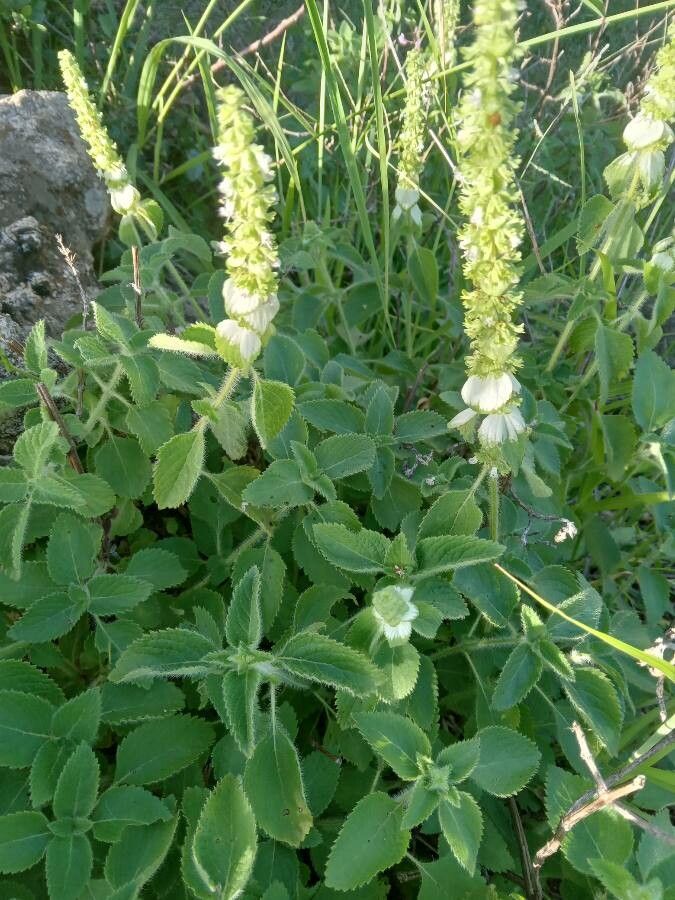
Unlocking the Secrets of Propagation: Bringing Platostoma hildebrandtii to Life
If you’re captivated by the unique beauty of Platostoma hildebrandtii, with its striking silver-green foliage and vibrant purple flowers, you’re likely itching to share its charm with others. But how do you propagate this captivating plant? Fear not, plant lovers! This guide will unlock the secrets of propagating Platostoma hildebrandtii, allowing you to bring its captivating essence to life in your garden and beyond.
The Power of Stem Cuttings:
The most common and successful method for propagating Platostoma hildebrandtii is through stem cuttings. This technique harnesses the plant’s inherent ability to regenerate from severed pieces. Follow these simple steps:
- Choose the Right Cuttings: Select healthy, non-flowering stems from your mature Platostoma hildebrandtii. Aim for stems that are at least 4-6 inches long, with a couple of healthy nodes (the bumps where leaves grow).
- Sharpen the Blade: Use a sharp, sterilized knife or pruning shears to make a clean cut just below a node. A clean cut minimizes the risk of disease.
- Prepare the Cuttings: Strip the lower leaves from the cutting and lightly scrape the bark on the bottom inch to expose the cambium layer, boosting root development.
- Rooting Medium: Choose a well-draining rooting medium, like a mix of peat moss and perlite or vermiculite.
- Planting the Cuttings: Gently insert the cuttings into the rooting medium, ensuring at least one healthy node is covered.
- Provide Humidity: Mist the cuttings with water and place them in a humid environment, like a propagation dome or a plastic bag.
- Patience and Light: Keep the cuttings in a bright location, away from direct sunlight. Patience is key – it can take 4-6 weeks for roots to develop.
The Art of Seed Propagation:
While less common compared to stem cuttings, Platostoma hildebrandtii can also be propagated from seeds. This process requires a bit more time and attention to detail:
- Seed Collection: Collect mature seeds from the plant’s seed pods after the flowers have faded.
- Clean and Dry: Clean the seeds carefully and allow them to dry completely before planting.
- Sowing: Plant seeds in a well-draining seed-starting mix.
- Light and Water: Provide sufficient light and keep the soil consistently moist.
- Germination Patience: Seeds may take several weeks to germinate, and the seedlings need a few months to grow into mature plants.
Tips for Success:
- Optimize Humidity: Maintaining humidity is crucial for successful propagation.
- Optimal Temperature: Aim for a warm environment, around 70°F, to encourage root development.
- Avoid Overwatering: Ensure the rooting medium is well-drained to prevent root rot.
- Patience is Key: Allow sufficient time for root development and be patient with the process.
Enjoy the Journey:
Propagating Platostoma hildebrandtii is a rewarding experience, allowing you to share its beauty with others and cultivate a deeper connection with this captivating plant. The process can be a wonderful journey of discovery, teaching you about the resilience and adaptability of nature.
So, grab your tools, gather your supplies, and embark on the exciting journey of propagating Platostoma hildebrandtii – you won’t regret it!