
Unlocking the Secrets of the Chilean Globe Thistle: A Propagation Guide
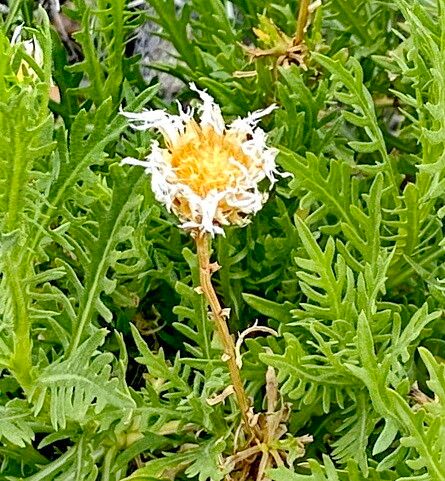
The Chilean Globe Thistle, or Plectocephalus chilensis, is a captivating sight with its stunning, silvery-blue, globe-shaped blooms. Native to the arid regions of Chile, this unique perennial brings a touch of exotic beauty to any garden. Intrigued? Then join us as we delve into the fascinating world of propagating this South American gem!
Seeds: Sowing for Success
Propagating Plectocephalus chilensis from seeds is a rewarding experience, albeit requiring a bit of patience. Here’s how to maximize your chances of success:
- Timing is Key: Sow the seeds indoors during late winter or early spring, 6-8 weeks before the last expected frost in your region. This provides a head start and ensures the seedlings are strong enough for transplanting outdoors later on.
- Well-Draining Medium: Use a seed starting mix specifically designed for cacti and succulents, or amend standard potting mix with perlite or sand to ensure excellent drainage. Chilean Globe Thistle, true to its arid origins, abhors soggy roots.
- Shallow Sowing: Scatter the seeds on the surface of the moistened medium and gently press them in, ensuring they are not completely buried. Light is crucial for germination.
- Warmth & Moisture: Place the seed tray in a warm, bright location, maintaining a consistent temperature of around 70-75°F (21-24°C). Mist the soil regularly to keep it evenly moist but not waterlogged.
- Germination Patience: Be prepared to wait, as seeds can take anywhere from 2 to 4 weeks to germinate. Once they sprout, continue providing ample light and moisture until they develop a few sets of true leaves.
Beyond Seedlings: Alternative Propagation Techniques
While seed propagation is the most common method for Plectocephalus chilensis, you can also explore these alternative techniques:
- Basal Cuttings: During the spring, carefully take cuttings from the base of the plant, ensuring each cutting includes a small section of root. Plant these cuttings in well-draining soil and keep them consistently moist until they establish roots.
- Divisions: Mature plants can be divided in early spring or early fall. Carefully lift the plant from its container or the ground and gently separate the root ball into sections, ensuring each division has healthy roots and shoots. Replant the divisions immediately.
From Propagation to Thriving Plants: Care Tips
Successfully propagating your Chilean Globe Thistle is only the first step. Follow these care tips to guarantee they flourish:
- Sunlight is Crucial: Choose a location in your garden that receives at least six hours of direct sunlight per day.
- Well-Drained Soil is Non-Negotiable: Amend the soil with sand or gravel to enhance drainage and prevent root rot.
- Water Wisely: Allow the soil to dry out completely between waterings, especially during the dormancy period in winter.
- Deadheading for Continuous Blooms: Removing spent flowers can encourage more blooms throughout the season.
- Embrace the Cold: Chilean Globe Thistle is surprisingly cold-hardy and can tolerate temperatures down to -20°F (-29°C) once established.
With a little effort and these helpful tips, you can propagate and grow your very own Plectocephalus chilensis. Watching these unique plants thrive, adorned with their striking globe-like blooms, will make all the effort worthwhile. So why wait? Start your propagation journey today and add a touch of Chilean magic to your garden!