
From Spore to Success: Unraveling the Secrets of Pleopeltis christensenii Propagation
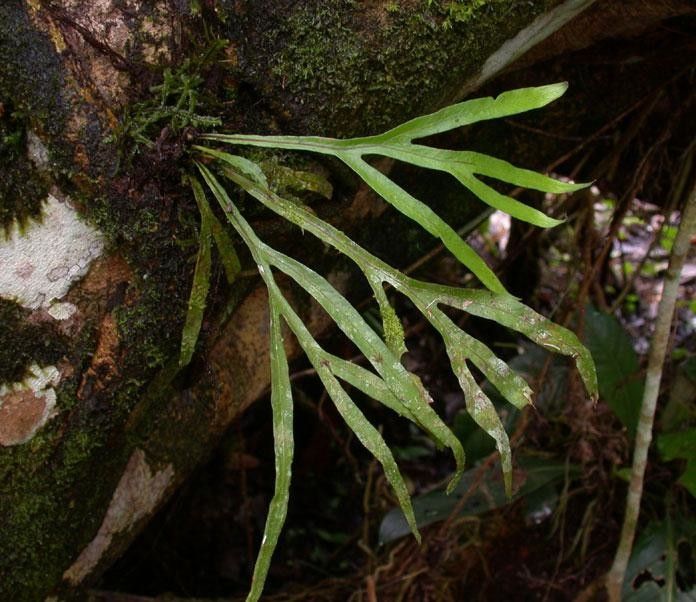
Pleopeltis christensenii, with its captivating emerald fronds and striking contrasting veins, is a plant that demands attention. But beyond its beauty lies an intriguing story – the story of its propagation. Unlike many common houseplants, this fern doesn’t reproduce through cuttings or divisions. Instead, it relies on a fascinating process called sporulation.
Understanding the Spore: A Journey from Tiny to Thriving
The secret to Pleopeltis christensenii propagation lies in its spores. These tiny, dust-like particles are produced within structures called sori, which appear as brown dots on the underside of the mature fronds. With the right conditions, these spores can develop into a new fern, a testament to the resilience and adaptability of nature.
A Step-by-Step Guide to Pleopeltis christensenii Propagation:
Harvest the Spores: The first step is to harvest the ripe spores. Look for the brown sori on the underside of the mature fronds, and gently scrape them off with a blunt instrument like a butter knife.
Prepare the Growing Medium: While you can sow the spores directly onto soil, it’s recommended to use a sterile medium like peat moss or vermiculite. This will prevent the spores from succumbing to fungal infections.
Sow the Spores: Sprinkle the spores evenly over the surface of the growing medium, avoiding excessive crowding. Lightly mist the surface with a spray bottle, and cover the container with a clear plastic wrap to create a humid environment.
Germination: Place the container in a warm, bright location, but out of direct sunlight. Keeping the humidity levels high is critical during germination. The success of this step depends on patience, as it can take several months for the spores to germinate.
Growth and Development: Once the spores have germinated, you’ll see tiny green prothallia developing. These prothallia eventually produce gametes, which then fuse to form a new sporophyte, or the familiar fern plant.
- Transplantation: Once the young ferns have a few fronds, carefully transplant them into individual pots filled with a well-draining potting mix. Continue to provide them with bright, indirect light and maintain a consistently moist environment.
Tips for Successful Propagation:
- Sterility is key: Maintain a sterile environment during propagation to prevent contamination.
- Humidity is vital: The spores and young ferns require consistently high humidity to thrive.
- Patience is paramount: Sporulation is a slow process, requiring several months for successful germination.
- Consistency is crucial: Maintain a stable growing environment with adequate light, temperature, and humidity.
Bringing the Beauty of Pleopeltis christensenii Home
Propagating Pleopeltis christensenii is an enriching experience that fosters appreciation for the intricacies of plant life. While it may demand patience and attention to detail, the reward is witnessing the miracle of nature unfold before your very eyes. With this guide, you’ll be well on your way to cultivating your own vibrant, green oasis filled with the beauty of the Pleopeltis christensenii, one spore at a time.