
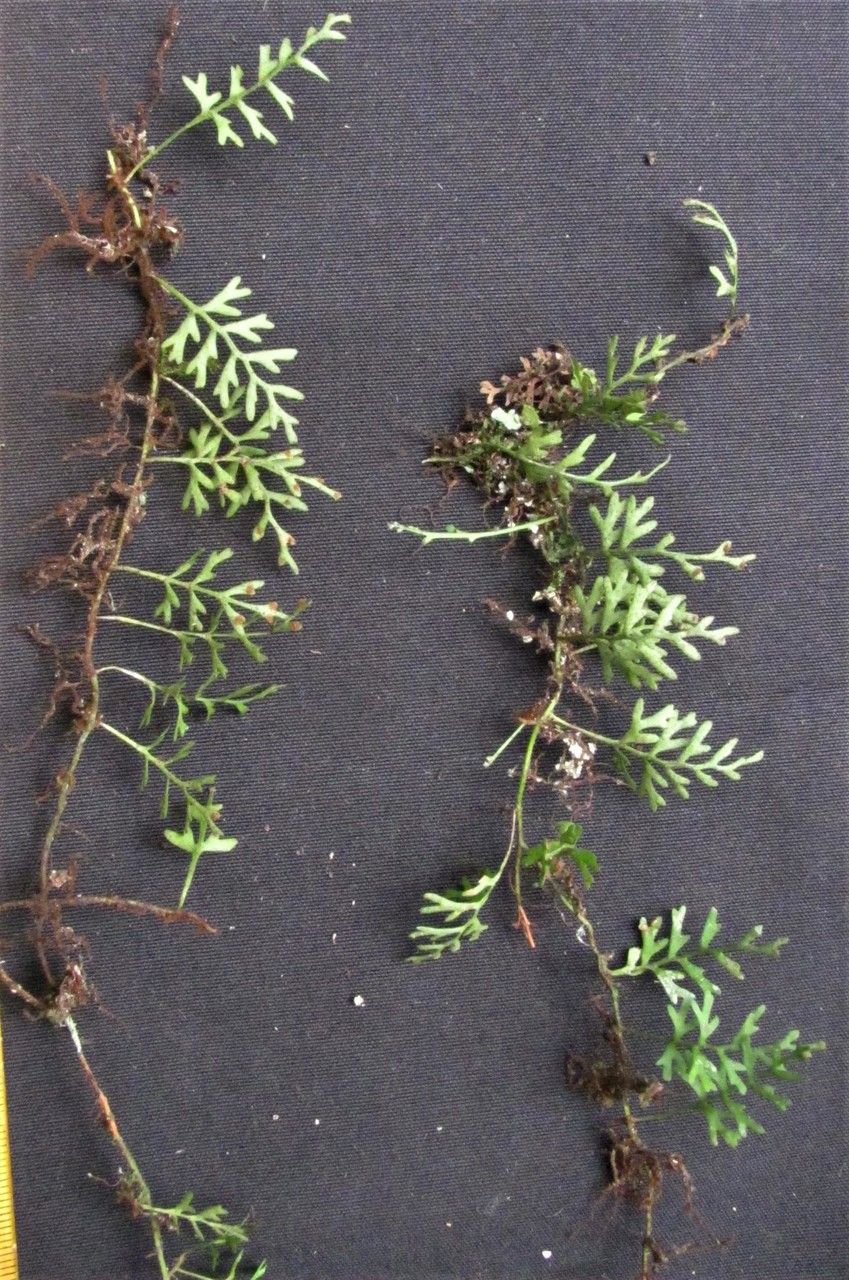
Doubling Your Delight: How to Easily Propagate Pleopeltis fallax (The Resurrection Fern)
The Pleopeltis fallax, aptly nicknamed the “Resurrection Fern,” is a captivating houseplant known for its incredible ability to dry out and seemingly “die,” only to come back to life with a splash of water. But what if you wanted even more of this resilient beauty in your life? Fear not, fellow plant enthusiasts, propagating this fern is remarkably easy!
Embracing the Power of Spores
While some plants can be easily propagated by cuttings or division, the Pleopeltis fallax relies on the ancient method of spore propagation. These tiny, dust-like structures are found on the underside of the fern’s fronds, typically in clusters called sori. These sori resemble tiny brown dots, and they are your key to creating new ferns.
A Step-by-Step Guide to Spore Propagation
Harvesting the Spores: To begin, carefully select a mature frond with well-developed sori. Using a sharp, sterile blade, cut the frond into sections, ensuring each section contains a few sori. Place the frond sections in a paper bag and allow them to dry for a few days. This will encourage the spores to ripen and release.
Creating a Suitable Growing Medium: Prepare a sterilized mixture of equal parts peat moss and perlite. This medium will provide the perfect balance of moisture retention and drainage, ideal for young fern growth.
Sowing the Spores: Fill a small seed tray or container with the prepared medium and lightly mist it with water. Carefully scrape the dried frond sections over the surface, releasing the spores onto the moistened medium. Do not bury the spores! They need light to germinate.
Providing Optimal Conditions: Place the container in a warm and humid environment. You can achieve this by creating a mini-greenhouse using a clear plastic bag or dome. Maintain a consistent temperature between 70-75°F (21-24°C).
Patience is Key: Germination can take anywhere from a few weeks to several months. Be patient and keep the medium consistently moist but not soggy. You will likely see a green, moss-like growth first, followed by tiny fern fronds.
- Transplanting: Once the young ferns develop a few true leaves, gently transplant them into individual pots containing the same peat moss and perlite mixture. Ensure you handle the delicate seedlings with care.
Boosting Success with a Little TLC
- Light is essential: While Pleopeltis fallax tolerates low light conditions, young fernlets need bright, indirect light for healthy growth. Avoid direct sunlight that can scorch their delicate leaves.
- Maintaining Humidity: These ferns thrive in humid environments. Regularly misting the plants or placing them on a pebble tray with water will help maintain optimal humidity levels.
- Fertilizing Carefully: Once the ferns are established, feed them with a diluted liquid fertilizer every few weeks during the growing season.
A World of New Life
By following these steps, you will soon find yourself with a miniature fern forest of your own! The joy of witnessing these resilient plants emerge from tiny spores and flourish in your care is truly rewarding. So, embrace the wonder of the Resurrection Fern and embark on an exciting journey of propagation today!