
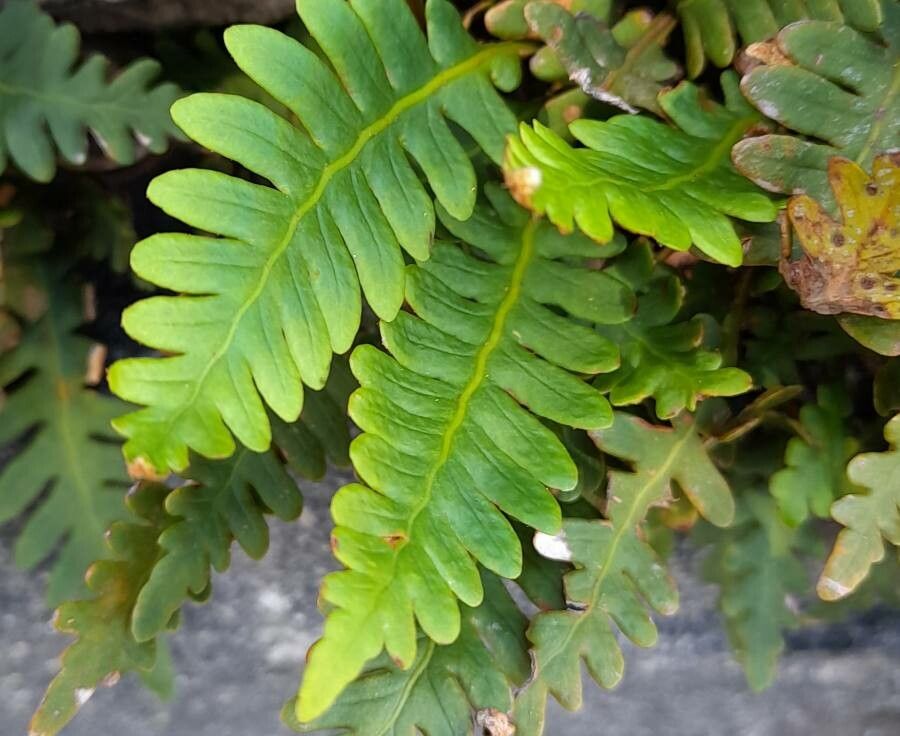
Unleashing the Fern Power: Propagating Pleopeltis pinnatifida
The Pleopeltis pinnatifida, also known as the Resurrection Fern, is a remarkable plant with a captivating ability to survive even the most extreme conditions. But what if you want to share this wonder with others or simply expand your own collection? Luckily, propagating this resilient fern is far easier than you might think!
A Tale of Two Methods
Pleopeltis pinnatifida can be propagated in two primary ways: through spores and via division. Let’s dive into the details of each method:
1. Spore Propagation: A Journey of Patience
- The Process: Spores, the tiny reproductive units of ferns, are housed in clusters called “sori” on the underside of the fronds. To harvest spores, gently scrape the sori into a container. Sow them in a moist, sterile medium like a mix of peat moss and vermiculite.
- Patience is Key: Spore propagation requires a lot of patience. It can take several months for the spores to germinate and form tiny green gametophytes. Once these mature, they’ll produce both male and female gametes, allowing fertilization and the development of true fern plants.
- Benefits: Spore propagation allows you to create a large number of plants from a single frond. It also offers the satisfaction of witnessing the incredible life cycle of a fern unfold from the very beginning.
- Considerations: Spore propagation requires meticulous care and a specialized environment conducive to germination.
2. Division: A Simplified Approach
- The Process: Division involves carefully separating a mature Pleopeltis pinnatifida plant into multiple smaller plants, each with its own roots. This is best done during the spring or early summer when the plant is actively growing.
- Easy Peasy: Division is a straightforward method. Simply gently remove the plant from its pot, loosen the soil, and carefully separate the plant where the root system divides.
- Quick Results: Division offers the advantage of producing new plants that are almost immediately established and ready to thrive.
- Considerations: Division is best suited for older, larger plants that have multiple growth points.
Setting Up Success: Essential Tips for Propagation
- Proper Environment: Pleopeltis pinnatifida thrives in humid, shady environments. Ensure your propagation space mimics this with a humidity dome or regular misting.
- Nutrient-Rich Medium: Use a well-draining potting mix enriched with organic matter to provide essential nutrients for healthy growth.
- Watering Wisdom: Keep the soil consistently moist but not soggy. Overwatering can lead to root rot.
- Warmth and Light: Provide indirect light and maintain a warm environment for optimal growth.
Unlocking the Potential of Resurrection Ferns
Whether you choose spore propagation or division, propagating Pleopeltis pinnatifida is a rewarding experience. You’ll not only expand your plant collection, but also gain a deeper appreciation for the remarkable resilience and adaptability of this fascinating fern. So, roll up your sleeves, embrace the process, and watch as your efforts blossom into a thriving colony of Resurrection Ferns.