
Propagating Pleroma martiale: A Gardener’s Guide to the Hardy Brazilian Knight
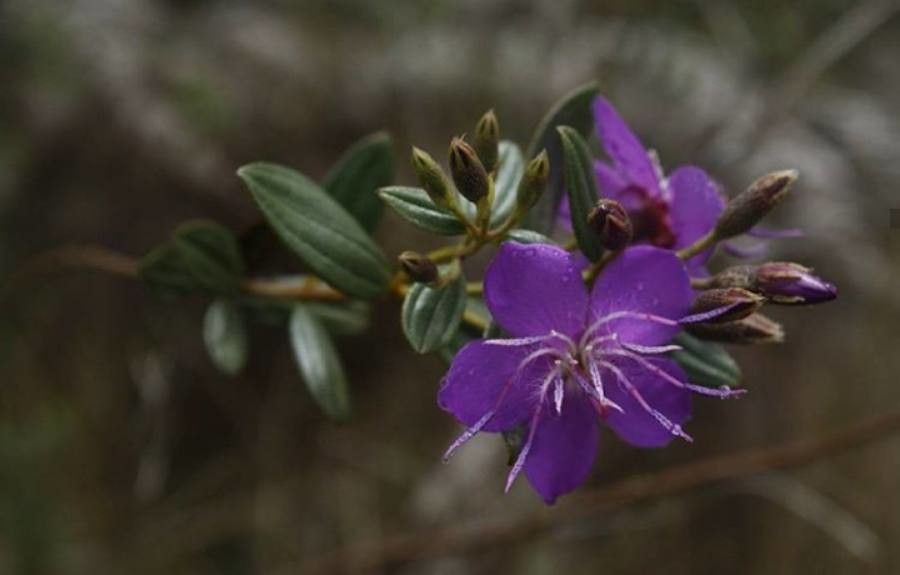
Pleroma martiale, also known as the Purple Glory Tree or Brazilian Knight, is a striking ornamental shrub prized for its vibrant purple, bell-shaped flowers and relatively hardy nature. Its popularity among gardeners stems from its prolific blooming, ease of care (once established), and the dramatic visual impact it provides in landscapes. However, its propagation presents some unique challenges, making successful cultivation all the more rewarding.
Seed Germination:
Currently, there are no known reliable methods for seed germination propagation of Pleroma martiale. While the plant produces seed, germination rates are reportedly extremely low, even under ideal conditions. Further research is needed to determine if specific pre-treatment techniques, like scarification or stratification, could improve success. This lack of reliable seed propagation limits the genetic diversity available and makes large-scale propagation challenging.
Cuttings:
Cuttings represent a more viable method for propagating Pleroma martiale. Taking semi-hardwood cuttings in late summer or early autumn offers the best chance of success.
Challenges: Rooting can be slow and inconsistent. The cuttings are susceptible to fungal diseases, especially if humidity is not managed properly.
Practical Tips: Use a sharp knife or shears to take 4-6 inch cuttings with several nodes. Remove lower leaves to prevent rot. Dip the cut ends in a rooting hormone powder before planting in a moist, well-draining propagation mix (e.g., perlite and vermiculite). Maintain high humidity using a propagator or plastic bag, ensuring good air circulation to prevent fungal growth. Consistent bottom heat (around 70-75°F) can significantly improve rooting.
Rewards: Cuttings provide a relatively quick and efficient way to increase the number of plants. It preserves the exact genetic characteristics of the parent plant.
Division:
Division is not a practical method for propagating Pleroma martiale. The plant’s root system is not easily divided without significant damage to the parent plant, hindering its growth and survival.
Tissue Culture:
Tissue culture offers the potential for large-scale propagation of Pleroma martiale, producing many genetically identical plants from a small sample of plant tissue.
Challenges: Tissue culture requires specialized knowledge, equipment, and a sterile environment. It can be expensive and time-consuming. Establishing the optimal culture medium and growth conditions can require extensive experimentation.
Practical Tips: This method should be undertaken by experienced tissue culture practitioners. Finding a suitable explant (a small piece of plant tissue) that readily produces callus and shoots is crucial for successful propagation.
Rewards: Tissue culture provides the potential for mass production of uniform plants, crucial for commercial nurseries. It’s also effective for conserving rare or endangered genotypes.
Conclusion:
Propagating Pleroma martiale presents various challenges across different methods. While seed germination is currently unreliable, cuttings offer a feasible option for home gardeners with a moderate level of horticultural skill. Tissue culture holds the key to large-scale propagation, but requires expertise and resources. The rewards of successfully cultivating this stunning plant, however, are undeniable. The vibrant purple blooms and the knowledge that you’ve nurtured a plant from cutting or through the demanding process of tissue culture provide a unique satisfaction that surpasses the difficulties encountered. For aspiring propagators, patience, attention to detail, and a willingness to learn from successes and failures are paramount. Don’t be discouraged by initial setbacks; the journey of cultivating Pleroma martiale is as rewarding as the final result.