
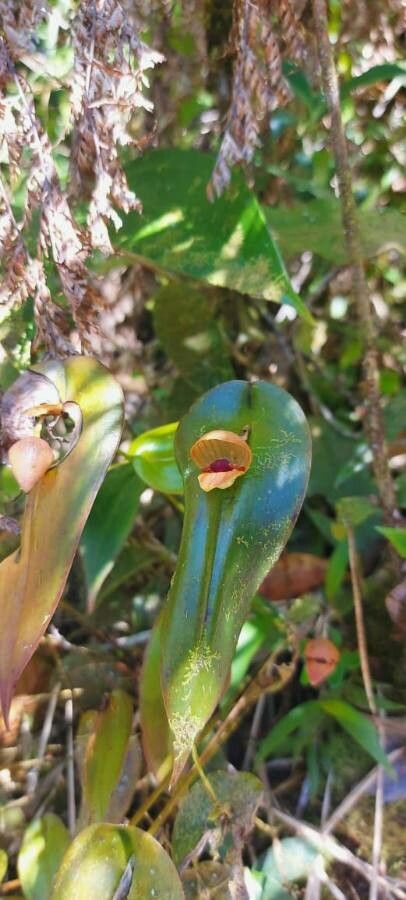
Unveiling the Secrets of Pleurothallis palliolata Propagation: A Guide for Budding Orchid Lovers
Pleurothallis palliolata, with its delicate, translucent blooms and compact size, is a captivating orchid species that can add a touch of exotic elegance to any plant collection. But if you’re ready to expand your orchid family beyond a single plant, you might be wondering about the mysteries of Pleurothallis palliolata propagation. Fear not, fellow orchid enthusiasts, for we’re about to demystify the process and equip you with the knowledge to multiply your miniature treasures.
Understanding the Basics
Before diving into the specifics, it’s important to remember that Pleurothallis palliolata, like many orchid species, prefers a humid environment with bright, indirect light. Mimicking their natural epiphytic habitat – growing on other plants rather than in soil – is key to their successful propagation. Now, let’s explore the two primary methods:
1. Division: This method capitalizes on the clumping growth habit of Pleurothallis palliolata.
- Timing is Key: Spring, as the plant awakens from its winter rest, is the ideal time for division.
- Divide and Conquer: Carefully remove the plant from its pot. Using sterilized shears or your fingers, gently tease apart the rhizome (the horizontal stem) into sections, ensuring each division has at least 3-4 healthy growths.
- Potting Up: Place each division in a well-draining orchid mix specifically designed for Pleurothallis or miniature orchids. Ensure the rhizome sits at or slightly above the surface of the potting media. Water sparingly until new growth emerges.
2. Back Bulbs: Pleurothallis palliolata produces back bulbs – older, leafless growths that store energy. These can potentially sprout new plants.
- Identifying Potential: Look for plump, healthy back bulbs on mature plants.
- Creating the Right Environment: Place the back bulbs in a shallow tray filled with moist sphagnum moss. Maintain high humidity by covering the tray with a clear plastic dome or bag, creating a mini-greenhouse.
- Patience is a Virtue: This method requires patience as it can take several months for back bulbs to sprout. Keep the moss consistently moist but not waterlogged and provide bright, indirect light.
A Few Pro Tips for Propagation Success:
- Sterilization is Key: Always sterilize your cutting tools with rubbing alcohol to prevent the spread of diseases.
- The Right Potting Mix Matters: Opt for a well-draining orchid mix that retains moisture without becoming soggy. A mix containing bark chips, perlite, and sphagnum moss is usually suitable.
- Humidity is Your Friend: Pleurothallis thrive in humid environments. Misting regularly or placing a humidifier nearby can significantly improve propagation success rates.
- Don’t Panic!: Be patient! Orchid propagation takes time. Don’t be discouraged if you don’t see results immediately.
Propagating Pleurothallis palliolata might seem daunting at first, but with a little patience, attention to detail, and a dash of orchid love, you can unlock the secrets to multiplying these miniature marvels. Soon, you’ll be enjoying a flourishing collection of these captivating orchids, adding a touch of botanical magic to your home.