
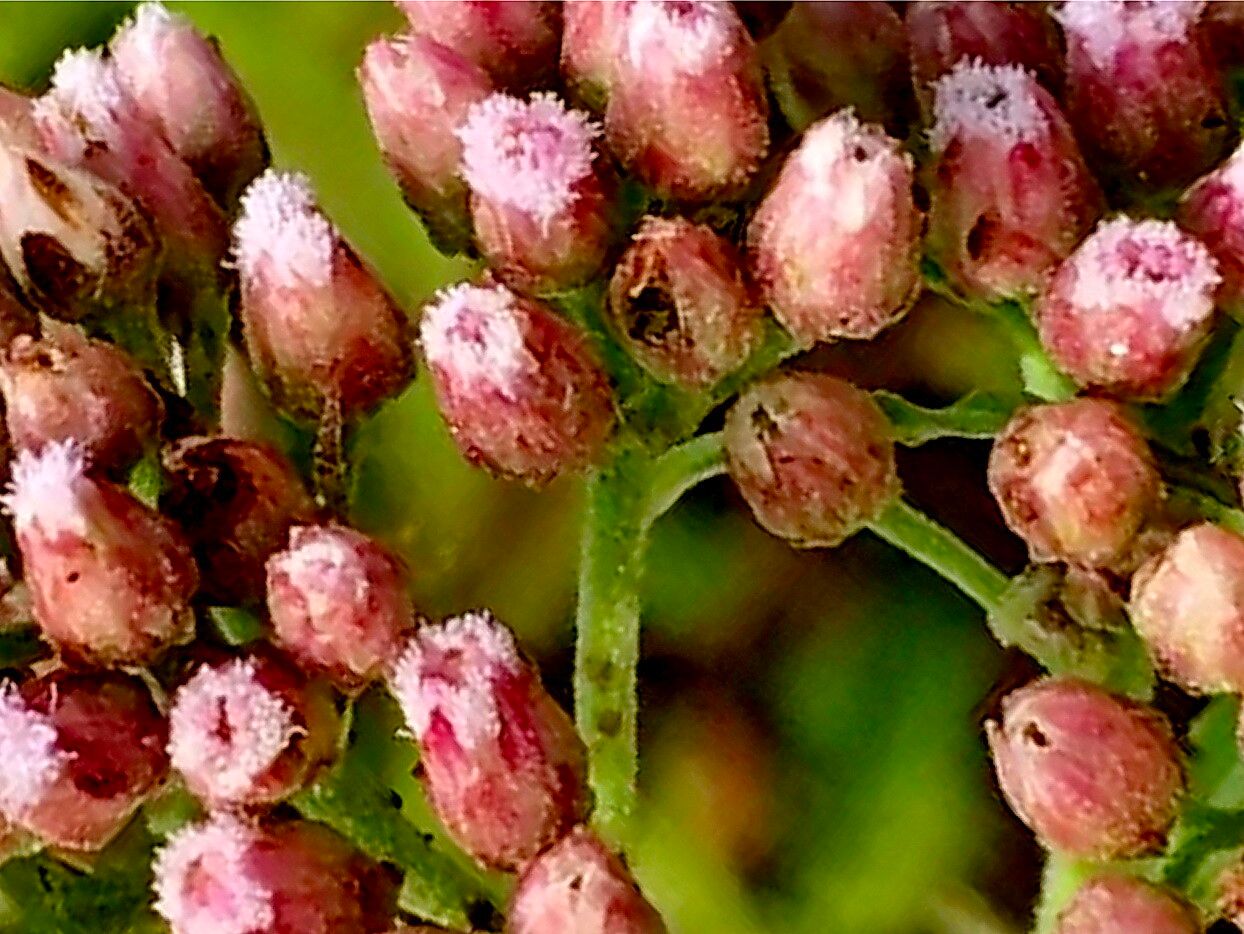
Propagating Pluchea camphorata: A Guide to the Camphorweed
Introduction:
Pluchea camphorata, commonly known as camphorweed, is a robust, aromatic perennial herb belonging to the Asteraceae family. Native to the Americas, it’s valued for its medicinal properties, attracting pollinators, and its ability to thrive in diverse conditions, making it a favorite among gardeners who appreciate its resilience and unique fragrance. Its ability to readily self-seed, however, suggests that propagation might be achievable through several methods. This article explores various techniques for propagating camphorweed, weighing their advantages and challenges.
Seed Germination:
Currently, there are no known reliable methods for seed germination propagation of Pluchea camphorata. While plants readily self-seed in natural settings, achieving consistent germination in a controlled environment has proven difficult. Further research is needed to identify optimal germination conditions, such as specific temperature ranges, light exposure, and soil requirements.
Cuttings:
Challenges: Camphorweed cuttings can be challenging due to their susceptibility to rot if not properly cared for. Success also depends heavily on the timing and technique used.
Practical Tips: Take semi-hardwood cuttings (partially mature stems) in late summer or early fall. Use a sharp, clean knife or shears to prevent disease transmission. Dip the cut ends in rooting hormone to encourage root development. Plant cuttings in a well-draining propagation mix, keeping the medium consistently moist but not soggy. Provide bottom heat and high humidity (e.g., using a humidity dome) to speed up rooting. Avoid overhead watering to prevent fungal diseases.
Rewards: Cuttings provide a relatively quick and efficient way to propagate genetically identical plants, preserving desirable traits. This method is suitable for large-scale propagation if successful.
Division:
Challenges: Division is most effective when the plants are actively growing (spring or fall), requiring careful handling to avoid damaging the root system. Mature camphorweed plants are often quite extensive and robust, making division somewhat labor-intensive.
Practical Tips: Dig up established plants carefully, ensuring as much of the root system is intact as possible. Divide the plant into sections, each containing healthy roots and shoots. Replant the divisions into well-prepared soil, ensuring adequate spacing to accommodate future growth. Water thoroughly after planting and provide some shade until the plants re-establish themselves.
Rewards: Division is a relatively straightforward method offering a rapid increase in plant numbers, offering a faster way to expand a collection larger than with cuttings.
Tissue Culture:
Challenges: Tissue culture of Pluchea camphorata is a technically complex method requiring specialized equipment, sterile conditions, and expertise in plant tissue culture techniques. Developing optimal growth media and protocols specific to this species necessitates significant experimentation.
Practical Tips: This method is not suitable for home propagators. Specialized laboratories capable of sterile manipulations and employing appropriate media formulations are required.
Rewards: Tissue culture provides the potential for large-scale propagation of disease-free plants while preserving genetic diversity. It allows for the rapid multiplication of superior genotypes.
Conclusion:
Propagating Pluchea camphorata presents unique challenges across different methods. While seed germination remains elusive at present, cuttings and division offer viable options, although requiring attention to detail and specific techniques to circumvent the potential pitfalls of rot and damage. Tissue culture, while potentially offering the most efficient means for large-scale multiplication, requires specialized facilities and expertise. The satisfaction derived from successfully propagating camphorweed lies not only in the process itself but also in the understanding of this plant’s unique needs. Don’t be discouraged by initial setbacks. Perseverance and careful attention to the specific techniques outlined above will ultimately lead to a rewarding experience for those keen on cultivating this fascinating plant. Start with the less challenging methods (cuttings and division) and remember that careful observation and adaptation based on your environment will be key to success.