
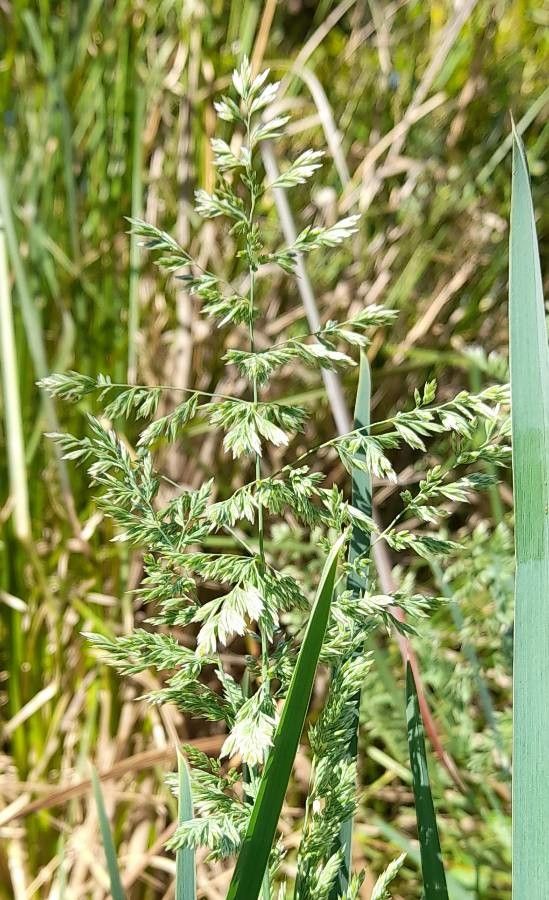
Unlocking the Secrets of Blue Fescue Propagation: A Guide to Growing This Elegant Grass
Blue fescue (Poa iridifolia), with its striking blue-grey foliage, is a beloved addition to gardens worldwide. This graceful grass adds a touch of elegance and texture, working beautifully in borders, rock gardens, and containers. But did you know that you can easily create more of this beauty using simple propagation methods?
The Art of Division: A Simple and Effective Method
The most common and successful way to propagate blue fescue is through division. This technique involves separating a mature clump into smaller sections, each with its own root system. This method ensures that new plants inherit the exact characteristics of the parent plant, ensuring a faithful continuation of the unique blue-grey coloration.
Here’s how to divide your blue fescue:
- Timing is Key: The best time to divide blue fescue is in early spring, just as new growth emerges. Alternatively, you can also divide it in early fall before the ground freezes.
- Preparation: Using a sharp spade or garden trowel, carefully dig up the clump of the parent plant.
- Separation: Gently separate the root ball into individual sections, ensuring each piece has healthy roots and foliage.
- Replanting: Plant the newly divided sections in well-prepared soil, maintaining the same depth as the original plant. Water thoroughly after planting.
The Intricacies of Seed Propagation
While less common, blue fescue can also be propagated from seed. This method requires a bit more patience as it takes longer for seedlings to mature into the desirable clumping form.
Here’s a guide to seed propagation:
- Seed Collection: Gather seeds from mature seed heads in the fall, allowing them to dry thoroughly before storing them in a cool, dry place.
- Sowing: Sow seeds on the surface of a seed tray filled with well-draining seed compost in early spring or late winter. Lightly mist the seeds with water and cover the tray with a clear plastic dome or wrap.
- Germination: Seeds require a cool, moist environment for germination. Keep the tray in a well-lit but shaded location. Germination can take several weeks.
- Transplanting: Once seedlings have developed a few true leaves, carefully transplant them into individual pots or directly into the garden, maintaining space between them for optimal growth.
Tips for Success
- Soil: Choose a well-draining soil mix that is slightly acidic to alkaline.
- Sunlight: Blue fescue thrives in full sun to partial shade, but avoid hot, humid locations.
- Watering: Keep the soil evenly moist, but avoid overwatering.
- Fertilization: Apply a balanced fertilizer in spring for optimal growth.
Enjoying the Beauty of Your Propagated Plants
Propagating blue fescue is a rewarding process that allows you to expand your garden’s beauty and share this stunning grass with others. Whether you choose division or seed propagation, remember to follow these guidelines for optimal results. With a little care and attention, you’ll soon enjoy vibrant blue-grey foliage adorning your garden, a testament to your horticultural skills.