
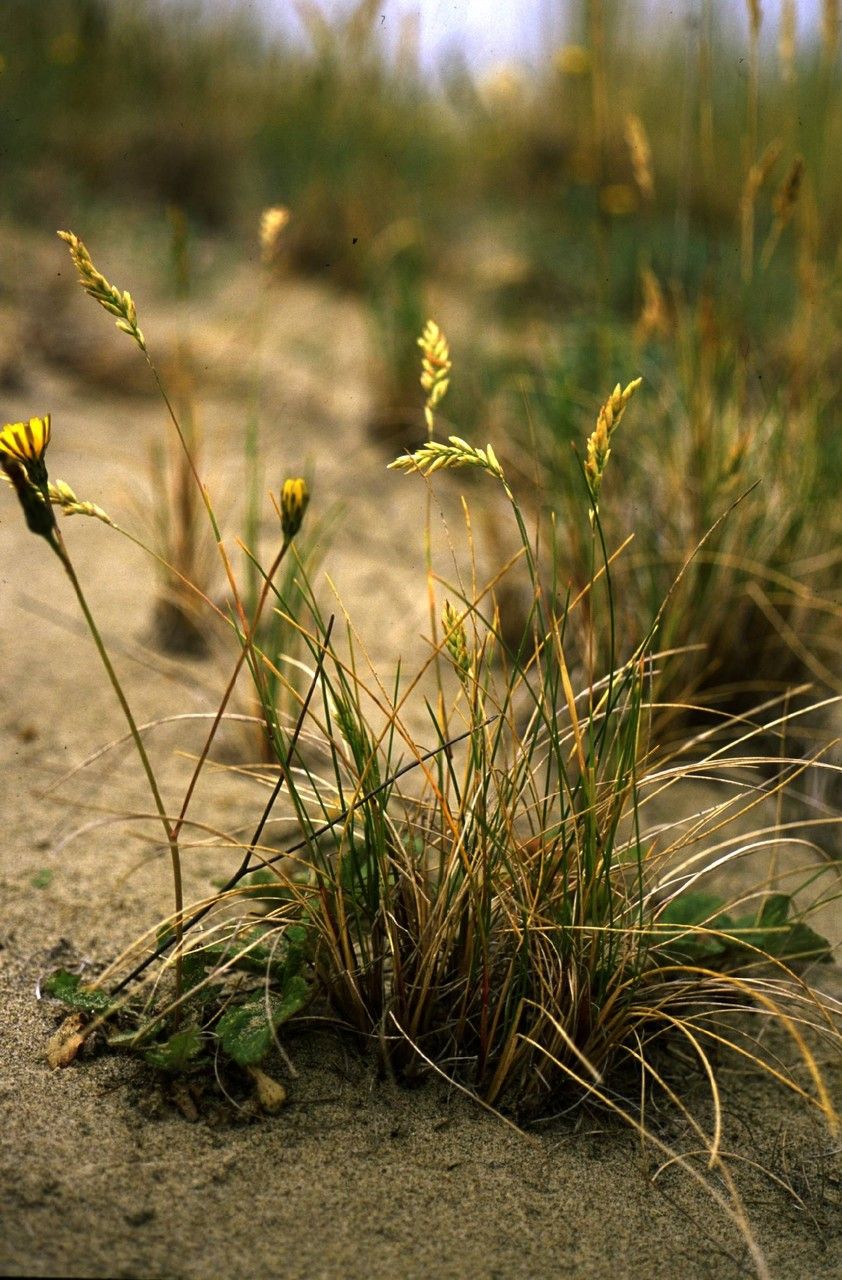
Unlocking the Secrets of Coastal Fescue: A Guide to Propagating Poa Macrantha
The coastal dunes hold a unique beauty, shaped by wind and waves. Among the resilient flora thriving in this dynamic environment is Poa macrantha, also known as coastal fescue. This stunning grass, with its blue-green foliage and airy seed heads, isn’t just a coastal dweller; it can bring texture and movement to gardens far and wide.
Intrigued? Let’s explore how you can successfully propagate Poa macrantha and welcome its graceful presence to your own green haven.
Understanding the Basics: When and How to Propagate
While Poa macrantha can be grown from seed, division is the most common and efficient propagation method. The ideal time for this is early spring or fall, when the plant is entering its active growth phase.
Division: A Step-by-Step Guide
- Prepare the Ground: Choose a well-drained location with full sun to partial shade. Amend the soil with compost to improve drainage and fertility.
- Divide the Clump: Carefully dig up a mature Poa macrantha clump, ensuring you get a good root ball. Using a sharp knife or spade, divide the clump into smaller sections, each with a healthy amount of roots and shoots.
- Replanting: Place the divisions in their new homes, spacing them about 1 to 2 feet apart. Ensure the crown of each division (where the roots meet the stems) is level with the soil surface.
- Water Deeply: After planting, give the divisions a generous watering to settle the soil and encourage root establishment.
Seed Starting: A More Patient Approach
For the dedicated gardener, starting Poa macrantha from seed offers a rewarding challenge. Here’s how:
- Seed Collection: Collect ripe seed heads in late summer. Allow them to dry completely before separating the seeds.
- Cold Stratification (Optional): While not strictly necessary, cold stratification can improve germination rates. Place the seeds in a moist paper towel inside a sealed plastic bag and store in the refrigerator for 4-6 weeks.
- Sowing: Sow seeds in a well-draining seed-starting mix, pressing them lightly into the surface. Keep the soil consistently moist but not waterlogged.
- Transplanting: Once the seedlings are a few inches tall and have developed a robust root system, they can be transplanted into larger pots or directly into the garden.
Caring for Your New Plants
Poa macrantha is relatively low-maintenance once established. Water regularly during the first growing season to help roots become established. After that, it’s fairly drought-tolerant. A light fertilizer application in spring can encourage healthy growth, but be careful not to over-fertilize, as this can lead to excessive foliage growth at the expense of the plant’s natural form.
Reaping the Rewards
With its ability to tolerate salt spray and sandy soils, Poa macrantha thrives in challenging coastal environments. But its unique beauty translates beautifully to a range of garden settings. Whether you’re seeking a graceful groundcover, an eye-catching accent plant, or a touch of seaside charm, propagating Poa macrantha opens up a world of landscaping possibilities.