
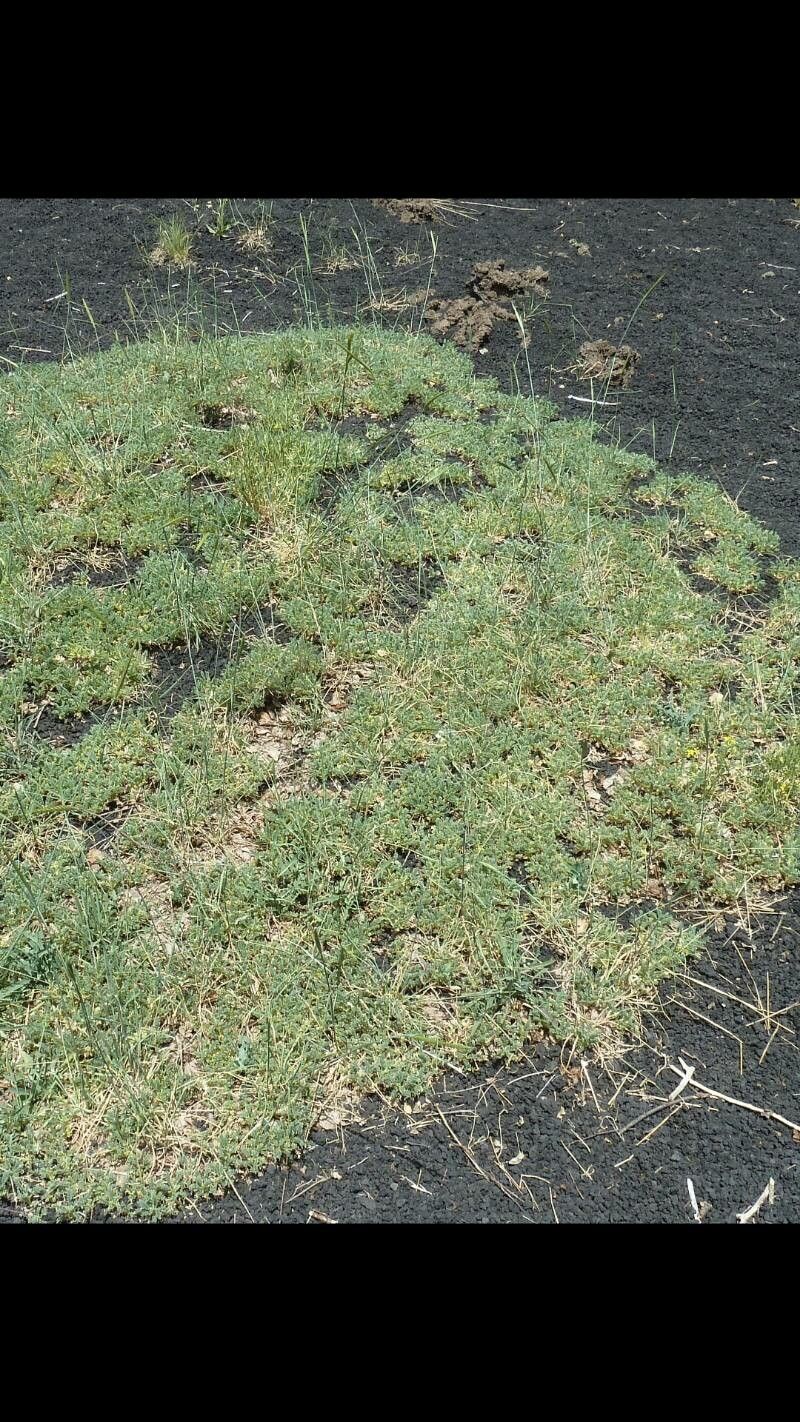
Taming the Wild: Propagating Nevada Podistera at Home
The Nevada podistera (Podistera nevadensis), a captivating little plant with its delicate umbels of white flowers and feathery foliage, isn’t your typical garden variety. This wildflower, native to the high-elevation landscapes of the Western US, presents a unique propagation challenge even for experienced gardeners. But for those passionate about preserving and cultivating native flora, the rewards of successfully growing Nevada podistera from seed are well worth the effort.
Understanding the Challenge
Nevada podistera, like many alpine plants, has evolved to thrive in harsh environments with short growing seasons and unpredictable weather. This translates to seeds with a deep dormancy, a clever survival strategy employed to ensure germination occurs under the most favorable conditions. Mimicking these conditions is key to successful propagation.
Gathering and Preparing Seeds
Seeds should be collected from mature plants in late summer or early fall. Look for dried seed heads turning brown, gently collecting them in a paper bag. Back home, spread the seeds on a clean surface in a well-ventilated area to dry completely for about a week. Once dry, store the seeds in a cool, dark place until ready for planting.
Breaking Dormancy: A Two-Pronged Approach
Nevada podistera seeds require a two-step process called stratification to break their dormancy and stimulate germination:
- Cold Stratification: This stage mimics the natural winter chill. Place your seeds in a moistened mixture of sand and peat moss (1:1 ratio) within a sealed plastic bag or container. Store this in your refrigerator (around 40°F or 4°C) for 60-90 days.
- Warm Stratification: After the cold treatment, expose the seeds to a warmer temperature (around 70°F or 21°C) for an additional 30 days. Keep the planting medium consistently moist but not waterlogged.
Sowing the Seeds
Following stratification, you can sow the seeds in seed trays or pots filled with well-draining potting mix. Press them gently onto the surface, ensuring they are barely covered with a light sprinkling of the mix.
Nurturing Growth
- Light: Place the trays or pots in a bright location, but out of direct sunlight, which can be too harsh for young seedlings.
- Watering: Maintain consistent moisture in the soil but avoid overwatering, as this can lead to damping-off disease. A spray bottle is useful for providing gentle watering.
- Temperature: Maintain a temperature around 65-70°F (18-21°C) for optimal germination and growth.
Transplanting and Beyond
Once your Nevada podistera seedlings have developed a couple of sets of true leaves and are large enough to handle, you can transplant them into larger pots or outdoors if conditions are suitable.
Remember, Nevada podistera thrives in well-drained soil and prefers full sun to partial shade. Be patient, as it may take several weeks or even months for germination to occur. With persistence and the right care, you can successfully propagate this beautiful and resilient wildflower, contributing to its conservation and adding a touch of the wild to your garden.