
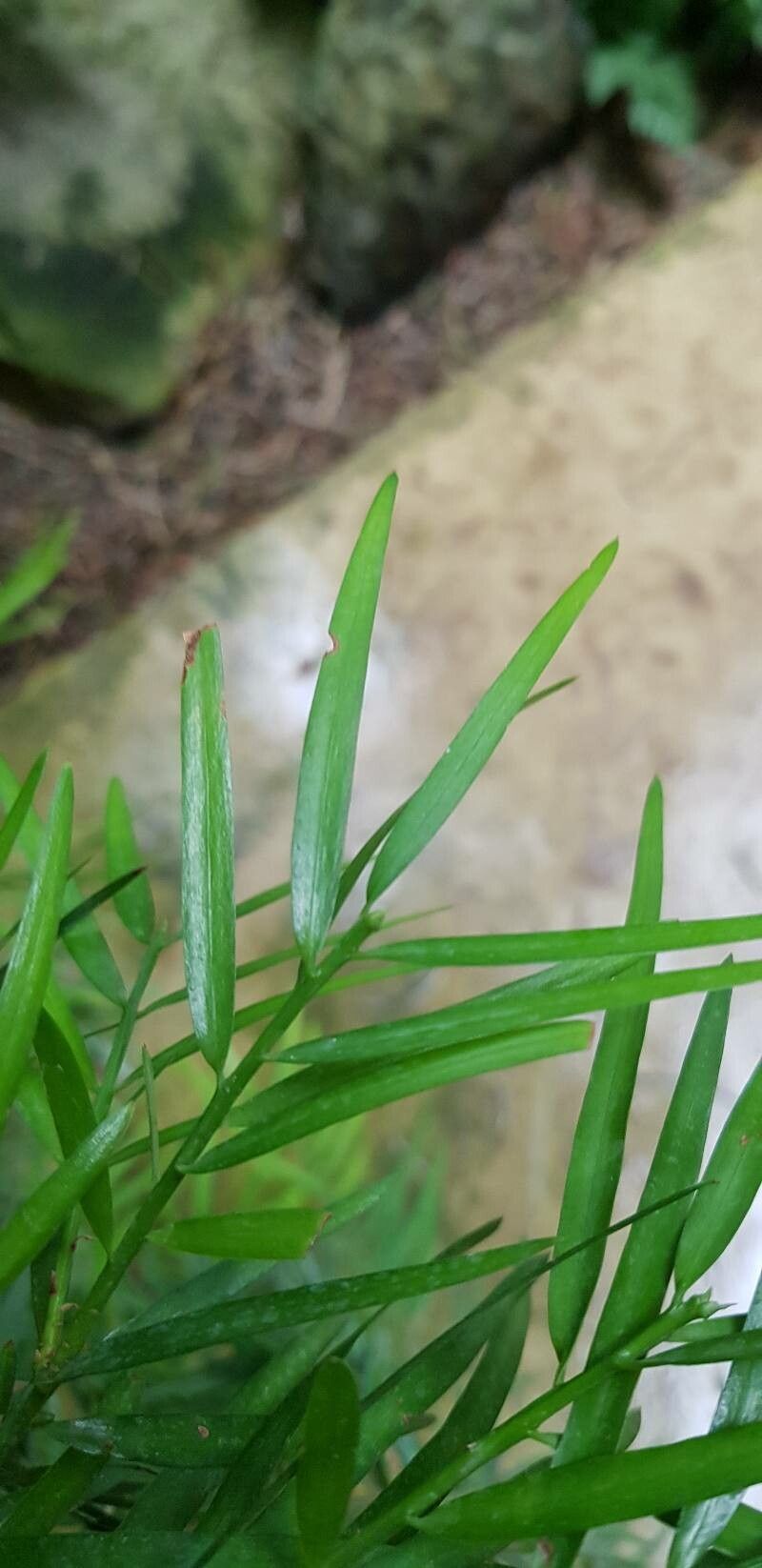
Unlocking the Secrets: Propagating Your Very Own Podocarpus Elongatus
The Podocarpus elongatus, also known as the Breede River Yellowwood, is a striking evergreen conifer prized for its elegant, weeping foliage and hardiness. While readily available in nurseries, wouldn’t it be rewarding to grow your own from scratch? Propagating a Podocarpus elongatus might sound intimidating, but with the right knowledge and a bit of patience, it’s an entirely attainable goal for gardeners of all levels.
This comprehensive guide will equip you with the tools and techniques to successfully propagate your Podocarpus elongatus, allowing you to expand your garden with these majestic trees, share the joy with fellow plant enthusiasts, or simply revel in the satisfaction of nurturing life from its earliest stages.
Two Roads to Propagation: Seed vs. Cuttings
There are two primary methods for propagating Podocarpus elongatus: seeds and cuttings. Each comes with its own set of advantages and challenges:
1. Seed Propagation:
- Pros: Inexpensive and easy to obtain, potentially yields multiple plants.
- Cons: Slower growth rate, requires a longer time to establish, seed viability can be inconsistent.
2. Cutting Propagation:
- Pros: Faster growth and establishment, inherits the characteristics of the parent plant, higher success rate.
- Cons: Requires access to a healthy parent plant, needs more specific care and attention during the rooting stage.
For this guide, we will focus on propagation through cuttings, as it offers a quicker and more reliable pathway to success.
Step-by-Step Guide to Propagating Podocarpus Elongatus from Cuttings:
1. Timing is Key: The ideal time for taking cuttings is during the late spring or early summer when the plant experiences active growth.
2. Selecting the Right Cuttings: Look for healthy, semi-hardwood cuttings from the current year’s growth. These are usually found on side branches and are identifiable by their slightly firmer texture compared to new growth. Ideally, each cutting should be about 4-6 inches long with several leaf nodes.
3. Preparing the Cuttings:
- Use a sharp, sterilized knife or pruning shears to make a clean cut just below a leaf node.
- Remove the lower leaves from the cutting, leaving only a few at the top. This minimizes water loss and encourages root development.
- To further enhance rooting, dip the base of the cutting in rooting hormone powder.
4. Planting the Cuttings:
- Fill small pots or a propagation tray with a well-draining potting mix specifically formulated for cuttings.
- Moisten the mix and create a small hole with a pencil or your finger.
- Carefully insert the cutting into the hole, ensuring the leaf nodes are covered.
5. Creating the Ideal Environment:
- Place the pots or tray in a warm, bright location with indirect sunlight. Direct sunlight can scorch the delicate cuttings.
- Maintain a humid environment by covering the cuttings with a clear plastic bag or dome. This helps retain moisture and encourages rooting.
- Mist the cuttings regularly to prevent them from drying out.
6. Patience is a Virtue: Rooting usually takes 6-8 weeks. You can gently tug on the cuttings to check for resistance, which indicates root development.
7. Transplanting & Beyond: Once the cuttings have developed a strong root system, transplant them into larger individual pots or your desired location in the garden. Be sure to gradually acclimate them to outdoor conditions if they were initially kept indoors.
Tips for Success:
- Using a heat mat specifically designed for propagation can significantly improve the rooting success rate, particularly in cooler climates.
- Ensure the potting mix remains consistently moist but not waterlogged. Overwatering can lead to root rot.
- Be patient! It might take some time for your cuttings to root. Don’t get discouraged if you don’t see results immediately.
Propagating your own Podocarpus elongatus from cuttings is a rewarding experience that allows you to nurture new life and expand your garden with these stunning conifers. While it requires a bit of effort and patience, the results are well worth the wait. So go ahead, embrace the challenge, and soon you’ll be enjoying the fruits (or rather, trees) of your labor!