
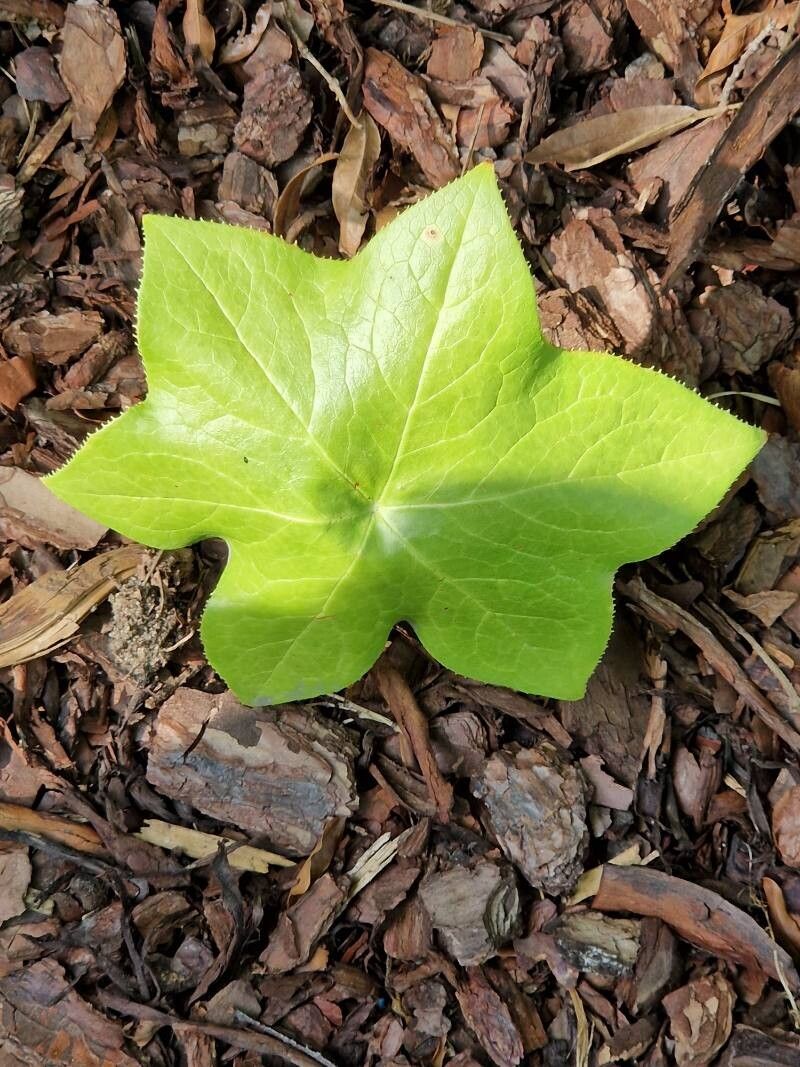
Unlocking the Secret to Growing More Mayapple: A Guide to Propagating Podophyllum pleianthum
The Mayapple (Podophyllum pleianthum) is a captivating plant known for its distinctive umbrella-like leaves and delicate, white flowers. Its captivating beauty makes it a desirable addition to any garden, but acquiring new plants can be a challenge. Luckily, propagation offers a way to expand your Mayapple collection and experience the joy of nurturing these unique plants from seed or division.
The Essence of Propagation
Propagation is the art of creating new plants from existing ones. With Mayapples, two primary methods are commonly employed:
Seed Propagation: This is a rewarding yet slightly more time-consuming method. Mayapple seeds require a period of cold stratification – mimicking winter conditions – to break dormancy and germinate. This process typically takes about 6 months.
- Division: This method involves carefully separating a mature Mayapple plant into smaller portions, each with its own root system. Division is generally quicker, producing plants that are almost ready to bloom the following year.
Step-by-Step Guides to Propagation Success
Seed Propagation:
- Harvesting Seeds: The best time to collect Mayapple seeds is when the fruits ripen and turn a reddish-purple color. Carefully remove the seeds from the fruits and clean them thoroughly.
- Cold Stratification: Place the seeds in a moist, sterile mixture of vermiculite or peat moss. Store this mixture in a sealed container in a refrigerator at 34-40°F (1-4°C) for 6 months. This mimics the cold winter conditions required for germination.
- Sowing: After stratification, sow the seeds in a well-draining potting mix. Maintain a consistently moist environment and place the pot in a bright, indirect light location. Germination can take several weeks to a few months.
- Patience is Key: Remember that Mayapples are slow-growing plants. The seedlings may only produce a single leaf in the first year. They need at least 2-3 years to mature and start producing their signature umbrella leaves.
Division:
- Ideal Timing: The best time to divide Mayapple plants is in early spring or late summer. Avoid division during hot, dry periods.
- Preparation: Carefully dig around the base of the plant, ensuring you don’t damage the roots. Gently tease the root ball apart, separating it into individual divisions with at least one growing point and some roots.
- Planting: Plant these divisions in a well-drained location with plenty of organic matter. Space them at least 1-2 feet apart to allow for optimal growth.
- Watering: Water the newly planted divisions thoroughly to help them establish. Keep the soil consistently moist during the first year.
Tips for Success:
- Choose the Right Environment: Mayapples thrive in partially shaded locations with rich, moist soil. They are intolerant of full sun.
- Provide Adequate Moisture: Mayapples prefer constantly moist soil but do not tolerate soggy conditions.
- Fertilize Sparingly: Feed your Mayapples lightly during the spring with a balanced organic fertilizer.
Beyond Propagation: Protecting Your Mayapples
Mayapples are slow-growing plants and need time to mature. They are also susceptible to deer and other grazing animals. To ensure their survival, consider:
- Protecting Young Plants: Use cages or netting to protect young Mayapple seedlings from grazing animals.
- Providing Shade: Offer adequate shade, especially during hot summer months.
The Rewards of Propagation
Propagating Mayapples offers a rewarding and enriching experience. Witnessing the growth of these delicate plants from seed or division provides a unique connection to the natural world. Plus, sharing your propagated Mayapples with friends and fellow gardeners amplifies the joy and beauty of these captivating plants.