
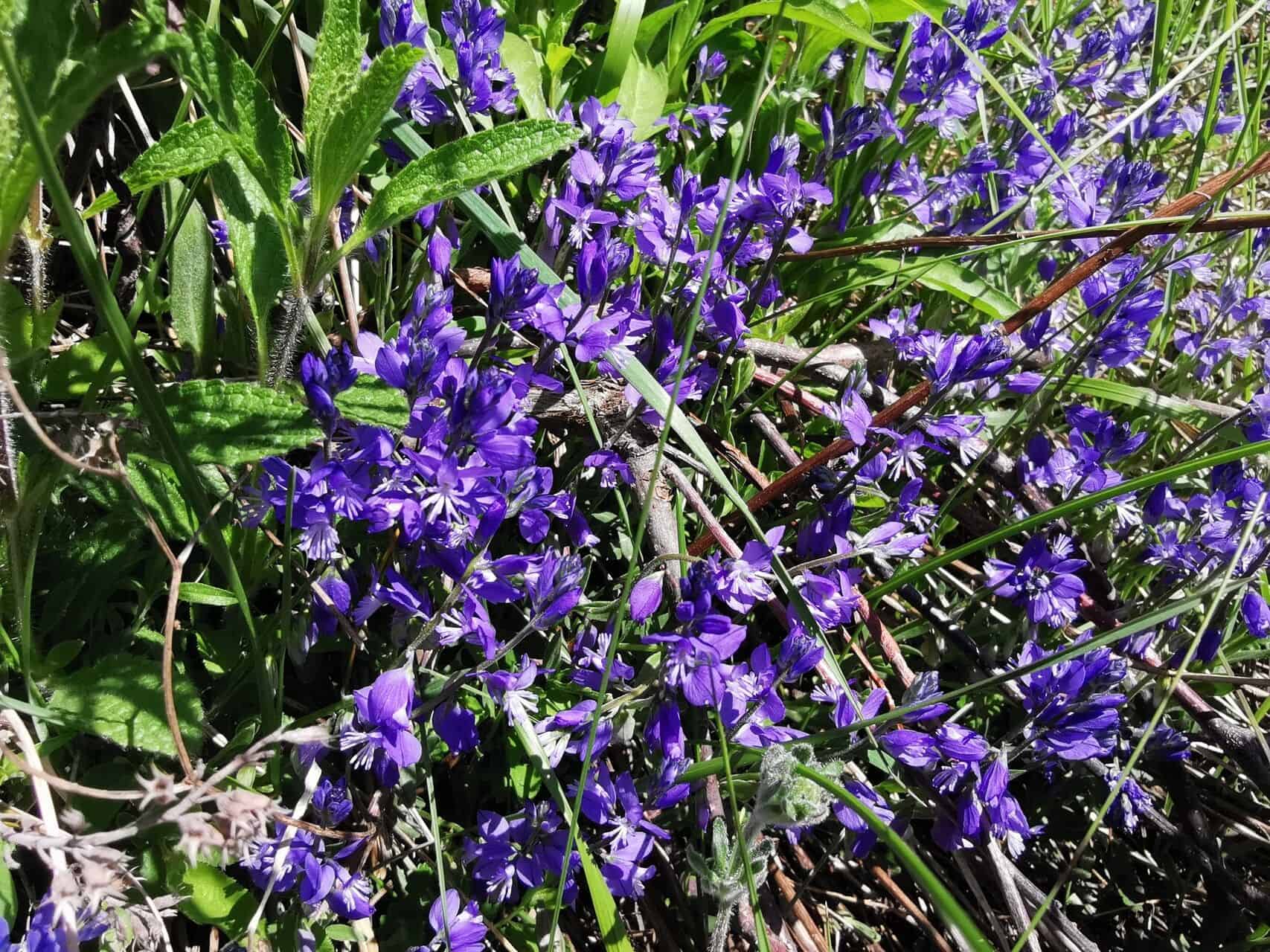
Delicate Beauty, Mighty Propagation: Unveiling the Secrets of Polygala alpina
The world of alpine plants is a captivating one, full of resilient species adapted to harsh, unforgiving environments. Among them is the charming Polygala alpina, a low-growing evergreen subshrub boasting delicate pink to purple flowers that belie its hardy nature. If you’re lucky enough to cultivate this alpine gem or are simply captivated by its charm, understanding its propagation is key to expanding your collection or sharing its beauty.
Unveiling the Options: Seed vs. Cuttings
Propagating Polygala alpina presents two primary options:
- Seeds: Nature’s way, offering the potential for larger quantities but demanding patience and specific conditions.
- Cuttings: A faster approach, utilizing the plant’s own tissues to generate identical clones.
Sowing the Seeds of Success:
- Timing is Everything: Ideally, sow Polygala alpina seeds in the fall. This mimics their natural cycle, allowing for cold stratification – a period of cold temperatures that many alpine seeds require to break dormancy.
- Creating the Ideal Nursery: Employ a well-draining seed starting mix. A combination of peat moss, perlite, and vermiculite works well. Sow seeds shallowly, barely covering them with the mix.
- Patience is Key: Germination can be slow, often taking several weeks – or even until the following spring! Maintain consistent moisture, and ensure the seed tray receives bright, indirect light.
- Transplanting Treasures: Once seedlings develop a strong root system and several sets of true leaves, transplant them into individual pots or a prepared outdoor location that mimics their preferred growing conditions.
The Art of Cloning: Propagating from Cuttings
- Choosing Wisely: Take cuttings in the early morning during the spring or early summer when the plant is actively growing. Select healthy, non-flowering stems about 3-4 inches long.
- Making the Cut: Use a sharp, sterilized knife or pruning shears to make a clean cut just below a leaf node. Remove the lower leaves, leaving 2-3 pairs at the top.
- Hormone Boost: While not strictly necessary, dipping the cut end in rooting hormone can significantly increase the success rate, especially for beginners.
- Planting the Potential: Insert the prepared cuttings into a well-draining rooting medium, like a mix of perlite and peat moss. Keep the medium consistently moist but not waterlogged.
- Creating a Humid Haven: Cover the cuttings with a plastic bag or humidity dome to create a warm, moist environment crucial for root development.
- The Root of Success: After 4-6 weeks, gently tug on the cuttings. Resistance indicates successful rooting! Gradually acclimate them to normal humidity before transplanting.
A Legacy of Alpine Beauty
Whether you choose the rewarding journey of starting from seed or the quicker satisfaction of cuttings, propagating your Polygala alpina is a fulfilling endeavor. With patience and the right techniques, you can enjoy a legacy of these exquisite alpine blooms for years to come, sharing their delicate charm and tenacious spirit with fellow plant enthusiasts.