
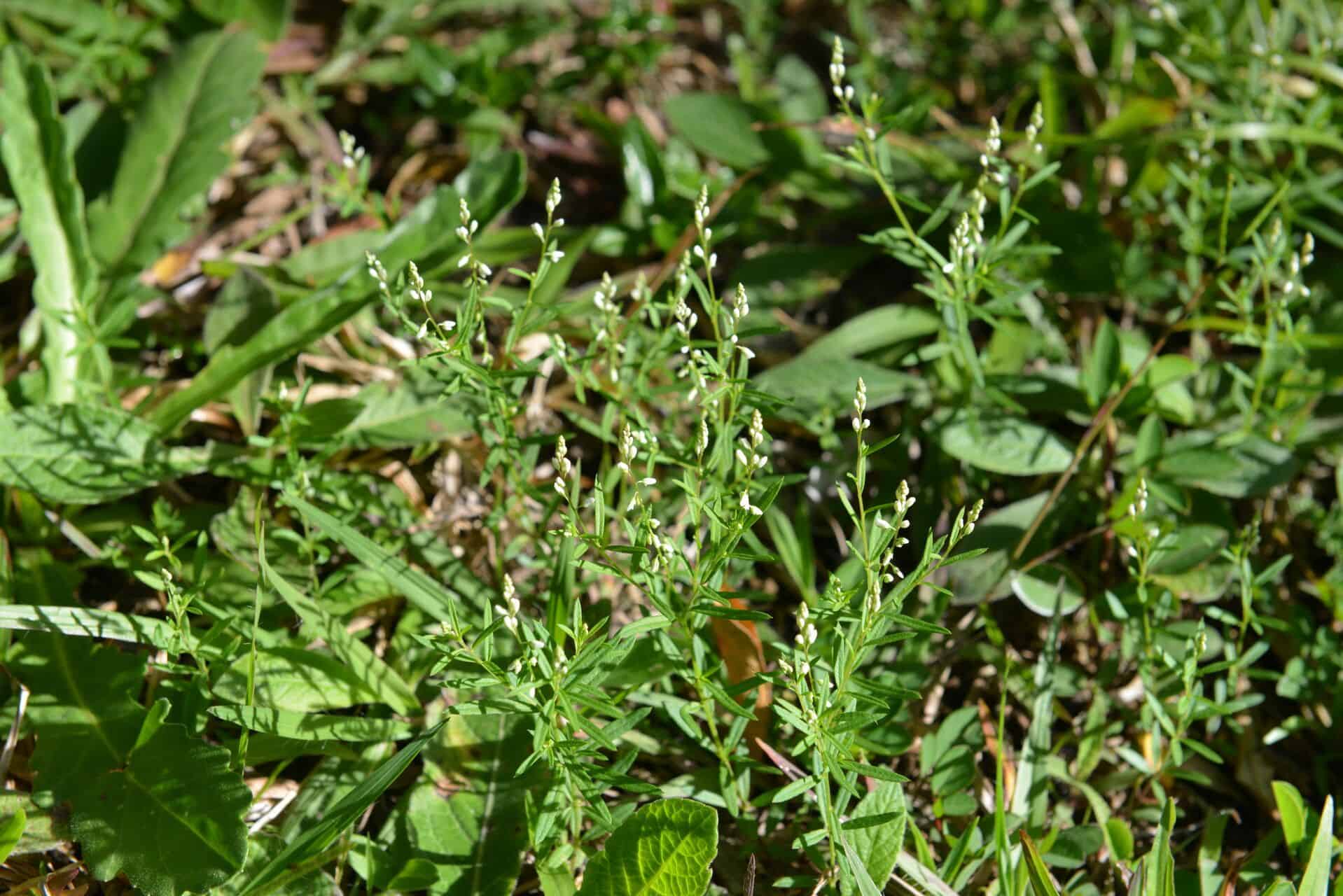
Taming the Tiny Dancer: Propagating the Delicate Charm of Polygala glochidiata
Polygala glochidiata, also known as the Candyroot or Pink Candyroot, might not be a household name in the plant world, but this unassuming beauty has a charm all its own. With its delicate pink blooms resembling miniature orchids and a sprawling habit that softens hard edges, it’s a fantastic addition to any plant lover’s collection. Intrigued? Let’s uncover the secrets to multiplying your Candyroot through propagation!
Understanding the Plant: A Tiny Powerhouse
Belonging to the milkwort family (Polygalaceae), Polygala glochidiata originates from diverse regions of the Americas. This adaptability translates to relatively easy care requirements, making it a great choice for beginners. The plant flourishes in sunny locations with well-draining soil, displaying a resilience that extends to its propagation methods.
Seeds of Joy: Embracing the Element of Surprise
The most common method for propagating Polygala glochidiata is through seeds. While it requires a touch of patience, the process is straightforward and rewarding:
- Seed Collection: Observe your plant for the formation of small capsules after flowering. Once these capsules dry out and turn brown, carefully collect them to reveal tiny black seeds within.
- Sowing the Seeds: Prepare a well-draining seed starting mix and sprinkle the seeds on the surface. Lightly press them in, ensuring they receive adequate light.
- Patience is Key: Keep the soil consistently moist but not waterlogged. Germination typically takes anywhere between 2-4 weeks, so don’t despair if you don’t see sprouts immediately.
- Transplanting Time: Once the seedlings develop a couple of true leaves and are sturdy enough to handle, transplant them into individual pots or your desired garden location.
Pro Tip: Consider starting your seeds indoors a few weeks before the last expected frost to give them a head start.
Branching Out: Exploring Propagation by Cuttings
While seed propagation is the most common method, Polygala glochidiata can also be propagated through stem cuttings, albeit with a lower success rate. Here’s how:
- Choosing the Right Cuttings: Select healthy, non-flowering stems about 3-4 inches long.
- Prepping the Cuttings: Using a sterile, sharp knife or pruning shears, make a clean cut just below a leaf node. Remove any leaves from the lower half of the cutting.
- Encouraging Root Development: Dip the cut end in rooting hormone to encourage faster and stronger root development.
- Planting and Care: Plant the cuttings in a well-draining potting mix and keep them consistently moist. Providing a warm, humid environment, like a humidity dome or a plastic bag over the pot, can significantly improve success rates.
Pro Tip: Take cuttings in the spring or early summer when the plant is actively growing for best results.
Nurturing New Life: Caring for Your New Plants
Whether you choose seed or cutting propagation, the journey doesn’t end with successful rooting. Young Polygala glochidiata plants require consistent care to thrive:
- Light: Place your plants in a location that receives bright, indirect sunlight. Direct sunlight can scorch the delicate leaves, especially during the hottest hours of the day.
- Water: Water regularly, ensuring the soil remains consistently moist but not waterlogged. Allow the top inch of soil to dry out slightly between waterings.
- Fertilizer: Feed your plants with a balanced liquid fertilizer diluted to half strength every 4-6 weeks during the growing season (spring and summer).
With its delicate beauty and surprising hardiness, Polygala glochidiata is a rewarding plant for both beginners and seasoned gardeners alike. By understanding its propagation methods and providing the right care, you can enjoy a symphony of vibrant pink blooms that will grace your garden for years to come.