
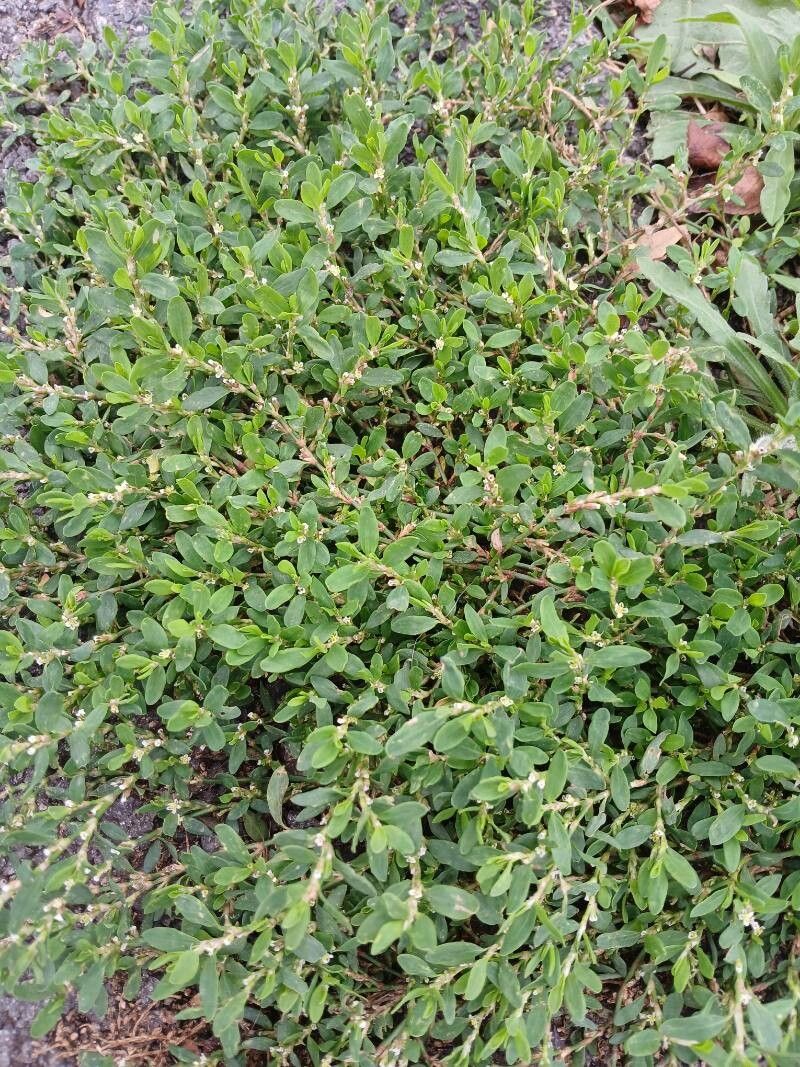
Propagating Knotweed (Polygonum arenastrum): A Gardener’s Challenge
Introduction:
Polygonum arenastrum, commonly known as Knotweed, is a prostrate, sprawling annual weed that is surprisingly popular among some gardeners. Its resilience, rapid growth, and ability to form dense mats make it a useful groundcover for erosion control, suppressing other weeds, and even providing a modest amount of nectar for pollinators. However, its weedy nature also contributes to its challenge in propagation – while it readily self-seeds, controlled propagation for specific purposes requires careful consideration. Its tenacious nature is both a blessing and a curse for those aiming to cultivate it deliberately.
Seed Germination:
Seed germination in Polygonum arenastrum is viable, though the success rate can be variable. The main challenge lies in its small seed size and the need for adequate moisture and light. Seeds germinate best in warm (20-25°C) temperatures and moist conditions. Stratification is not typically required.
Practical Tips:
- Sowing: Sow seeds directly onto the soil surface in a well-draining seed tray or directly into the garden bed, barely covering them with fine soil.
- Moisture: Maintain consistently moist but not waterlogged conditions throughout germination. A propagator lid or humidity dome will greatly improve success.
- Light: Ensure adequate light; direct sunlight or a bright, sunny location is ideal.
Rewards:
Successful seed germination provides access to a high level of genetic diversity, leading to a more robust and varied population. This method allows for large-scale propagation, making it suitable for projects requiring a significant number of plants.
Cuttings:
Cuttings are a relatively easy and reliable method for propagating Polygonum arenastrum.
Practical Tips:
- Selection: Take stem cuttings of about 5-10 cm in length, preferably from non-flowering stems. Remove lower leaves to prevent rotting.
- Planting: Dip the cut ends in rooting hormone (optional but beneficial) and plant them in a moist, well-draining growing medium such as a mix of peat moss and perlite.
- Care: Keep the cuttings consistently moist but not soggy, and provide bright, indirect light. Rooting usually occurs within a few weeks.
Rewards:
Cuttings produce clones of the parent plant, ensuring that all offspring retain the desirable characteristics of the original selection. It’s a quicker method compared to seed propagation.
Division:
Division of established Polygonum arenastrum plants is another straightforward propagation technique.
Practical Tips:
- Timing: Division is best done during spring or early autumn when the plant is actively growing.
- Method: Carefully dig up the plant and gently separate it into smaller sections, each with its own root system. Replant these sections maintaining sufficient spacing.
- Care: Water the newly divided plants well to help them establish.
Rewards:
Division allows for rapid increase in plant numbers, especially for those already possessing a mature plant. It is a quick and relatively easy method.
Tissue Culture:
Currently, there are no widely documented or readily available protocols for tissue culture propagation of Polygonum arenastrum. This method, although potentially offering high propagation rates and disease-free plants, requires specialized equipment and expertise and is not readily feasible for the home gardener.
Conclusion:
Propagating Polygonum arenastrum, while challenging considering its weedy nature, presents rewarding outcomes. Cuttings and division offer the most straightforward approaches for the home gardener, providing a relatively quick and successful means of increasing plant numbers. Seed germination, though requiring more patience and attention, allows for genetic diversity. While tissue culture remains largely unexplored for this species, the other methods demonstrate that successful propagation is achievable with proper technique and persistence. The satisfaction of nurturing these tenacious plants from cuttings, divisions, or even seeds, despite the initial challenges, is a unique reward for any gardener willing to embrace the challenge. Don’t be discouraged by initial setbacks – experiment, adapt, and enjoy the journey of cultivating this intriguing groundcover!