
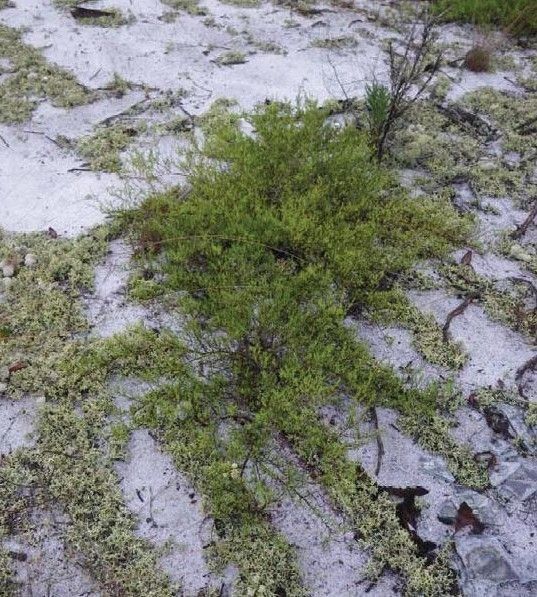
Unlocking the Secrets of Polygonum dentoceras: A Guide to Propagation
Polygonum dentoceras, also known as Toothed Knotweed or Himalayan Fleece Flower, is a captivating perennial treasured for its delicate pink flower spikes and vigorous growth habit. While it’s relatively easy to care for once established, many gardeners wonder about the best methods for propagating this charming plant. So, let’s demystify the process and explore the different ways to successfully propagate Polygonum dentoceras.
Propagation Methods: Seed vs. Cuttings
1. Seed Propagation:
Starting Polygonum dentoceras from seed is certainly an option, though it requires a bit more patience and a touch of luck. Here’s how:
- Seed Collection: Collect ripe seeds from existing plants in late summer or early fall. Look for small, dark brown seeds within dried flower heads.
- Sowing: Seeds can be sown directly outdoors after the last frost or started indoors 6-8 weeks before the anticipated last frost.
- Germination: Polygonum dentoceras seeds benefit from a period of cold stratification. This simulates winter conditions and can significantly improve germination rates. You can achieve this by placing the seed tray in a refrigerator for 4-6 weeks before moving it to a warm, sunny location.
2. Propagation from Cuttings:
Propagating Polygonum dentoceras from cuttings offers a faster and often more reliable route. Take softwood or semi-hardwood cuttings during the growing season. Here’s a step-by-step guide:
- Timing: The ideal time to take cuttings is late spring or early summer when the plant is actively growing.
- Cuttings Selection: Select healthy, non-flowering stems about 4-6 inches long.
- Preparing the Cuttings:
- Use a sharp, clean knife or pruning shears to make a cut just below a node (where the leaf attaches to the stem).
- Remove the lower leaves, leaving only 2-3 pairs at the top.
- Rooting Hormone (Optional): While not strictly necessary, dipping the cut end in rooting hormone can encourage faster and more successful root development.
- Planting the Cuttings:
- Plant the cuttings in a well-draining potting mix, burying the bottom node.
- Water thoroughly and cover the pot with a plastic bag or humidity dome to create a warm, moist environment.
- Root Development: Keep the cuttings in a shaded location and maintain consistent moisture. Roots should develop in 4-6 weeks.
- Transplanting: Once the cuttings have developed a strong root system, you can transplant them to individual pots or directly into the garden.
Tips for Success:
- Soil: Polygonum dentoceras thrives in moist, well-drained soil.
- Sunlight: Provide your plants with partial shade to full sun, ideally with some protection from intense afternoon rays.
- Water: Water regularly, especially during dry spells, to maintain consistent soil moisture.
- Maintenance: Deadhead spent flower spikes to encourage bushier growth and potentially a second flush of blooms.
Enjoy Your Bountiful Knotweed!
Propagating Polygonum dentoceras might seem daunting at first, but with a bit of patience and the right techniques, you’ll soon be rewarded with an abundance of these enchanting plants. Whether you choose to start from seed or cuttings, enjoy the journey of watching your new Polygonum dentoceras plants flourish and grace your garden with their delicate beauty.