
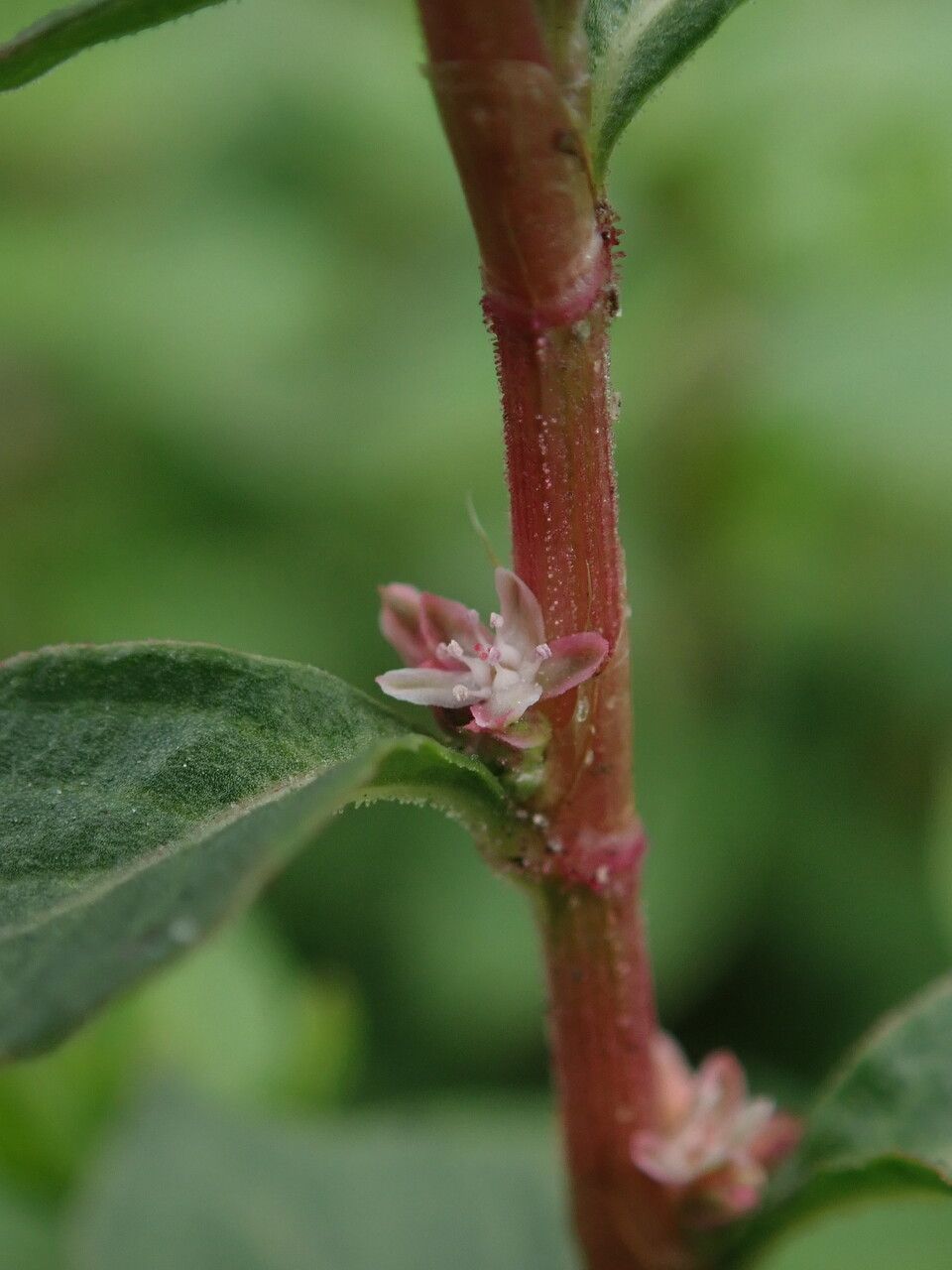
Spreading the Recumbent Knotweed: An Easy Guide to Propagating Polygonum recumbens
Polygonum recumbens, or Recumbent Knotweed, might not roll off the tongue as easily as “rose” or “daisy,” but don’t let the unassuming name fool you. This hardy, fast-growing groundcover boasts delicate white-to-pink blooms and lush foliage, making it an excellent addition to gardens seeking low-maintenance beauty. And the best part? Propagating Polygonum recumbens is surprisingly straightforward. Whether you’re a seasoned gardener or just starting, multiplying your knotweed is a breeze with these easy methods.
Understanding the Plant
Before diving into propagation, it’s helpful to know a bit about what makes Polygonum recumbens tick. Native to North America, this resilient plant thrives in various conditions, tolerating both sun and partial shade. Its sprawling nature makes it perfect for erosion control or as a groundcover in larger areas.
Method 1: Division – The Simplicity of Splitting
The most straightforward method for propagating Polygonum recumbens is division. This technique involves digging up an established plant and dividing it into smaller sections, each containing roots and shoots.
Here’s how:
- Timing is Key: Spring or early fall offers the best chance of success, allowing the divided sections ample time to establish before extreme temperatures hit.
- Dig Deep: Carefully dig around the chosen plant, ensuring you go deep enough to avoid damaging the roots.
- Divide and Conquer: Gently shake off excess soil and locate natural division points where the plant separates easily. You can use a sharp, clean knife or garden shears to separate the plant into smaller clumps.
- Replant and Water: Replant the divisions in well-drained soil, spacing them according to your desired coverage. Water thoroughly and keep the soil consistently moist until the new plants show signs of growth.
Method 2: Cuttings – A Snip in the Right Direction
For those who prefer a less invasive approach, propagation through stem cuttings is another excellent option.
Follow these steps:
- Choose Wisely: Select healthy, non-flowering stems during the active growing season (spring or early summer).
- Cut and Prepare: Using a sharp, clean knife or shears, take cuttings about 4-6 inches long, making the cut just below a leaf node. Remove the lower leaves, leaving only a few at the top.
- Encourage Rooting: While optional, dipping the cut end in rooting hormone powder can improve success rates.
- Potting Mix Magic: Plant the cuttings in a well-draining potting mix, burying the bottom node.
- Humidity is Key: Cover the pot with a plastic bag or humidity dome to create a greenhouse-like environment.
- Patience is a Virtue: Maintain consistent moisture and place the pot in indirect light. Rooting typically takes several weeks. Once new growth appears, you can transplant your cuttings to their permanent location.
Enjoy Your Knotweed Bounty!
Propagating Polygonum recumbens is a rewarding experience, allowing you to expand your garden with ease. Regardless of your chosen method, remember to provide adequate water, well-drained soil, and a watchful eye. Soon, you’ll be enjoying a vibrant spread of this versatile and attractive plant.