
Unleash the Fern Power: A Guide to Propagating Polypodium Scouleri
Polypodium scouleri, the Western Polypody fern, is known for its stunning, leathery fronds and ability to thrive in challenging environments. But did you know that this resilient fern is also incredibly easy to propagate? By tapping into the natural power of this species, you can easily expand your fern collection or share the beauty of Polypodium scouleri with others.
The Magic of Spores:
Polypodium scouleri, like many ferns, reproduces through spores. These tiny, dust-like particles are released from the underside of the fronds, carrying the potential for a new life. While spore propagation can feel a bit like alchemy, it’s surprisingly straightforward with the right techniques.
Starting Your Fern Journey:
Gather Your Supplies: You’ll need a sterile container, such as a plastic propagation tray or clear container with a lid, a well-draining potting mix (a mix of peat moss and perlite works well), and a spray bottle.
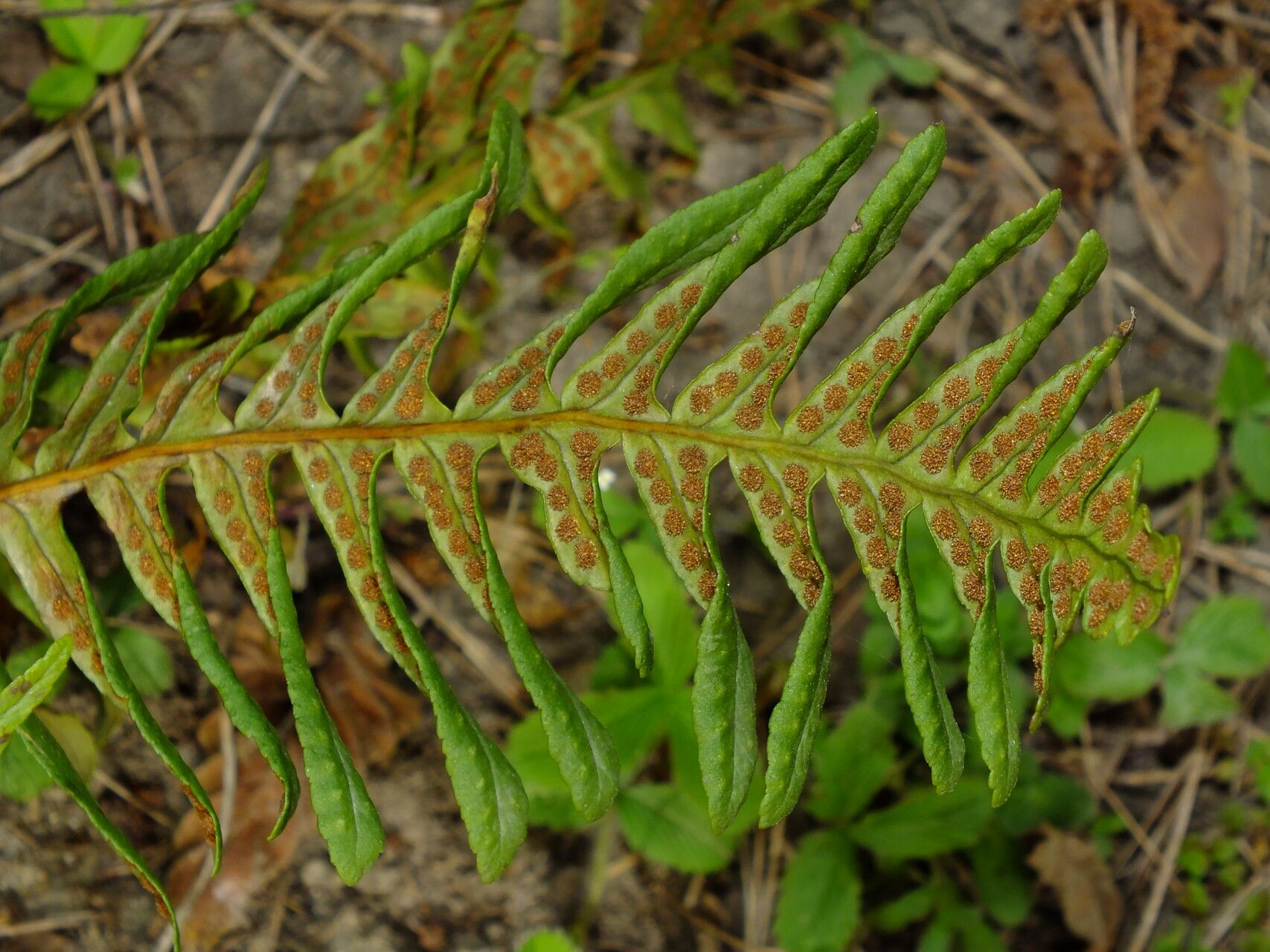
Harvesting the Spores: Carefully cut a healthy frond from your Polypodium scouleri plant. Look for the brown, raised patches on the underside of the frond, which are called sori. These contain the spores.
Sowing the Spores: Lightly brush the sori with a clean brush to release the spores into a container. Then, gently sprinkle the spores onto the surface of your prepared potting mix. Do not bury them! They need light to germinate.
Create a Mini-Greenhouse: Mist the spores and potting mix thoroughly. Cover the container with a plastic lid or wrap to create a humid environment. Place the container in a bright, indirect light location, away from direct sunlight.
- Patience is Key: Polypodium scouleri spores can take anywhere from 4 to 8 weeks to germinate. During this time, maintain humidity by misting periodically and avoiding drafts.
From Tiny Sprout to Mature Fern:
Once your spores have germinated, you’ll see the development of tiny, green, heart-shaped plants called prothalli. They are the first stage of the fern’s lifecycle. With time, the prothalli will develop rhizomes and eventually produce true fern fronds.
Growing Onward:
As the young ferns grow, you can gradually transition them into larger pots filled with a suitable growing medium. These ferns prefer moist, well-draining soil and a shady to semi-shady location. Remember to feed your ferns regularly, particularly during the spring and summer months.
Sharing the Fern Love:
Once your Polypodium scouleri plants are established, you can share them with other plant enthusiasts or continue to propagate them, creating a flourishing fern garden.
Tips for Success:
- Use sterilized tools and pots to prevent fungal growth.
- Ensure the potting mix is well-draining to avoid root rot.
- Maintain consistent humidity, especially during the spore germination stage.
- Be patient and observe your fern seedlings regularly.
Embark on Your Fern Journey:
Propagating Polypodium scouleri is a rewarding experience that opens up a world of green possibilities. By learning the secrets of spore propagation, you can unlock the potential for new fern growth and enjoy the beauty and resilience of this captivating plant for years to come. So go ahead and start a new fern adventure today!