
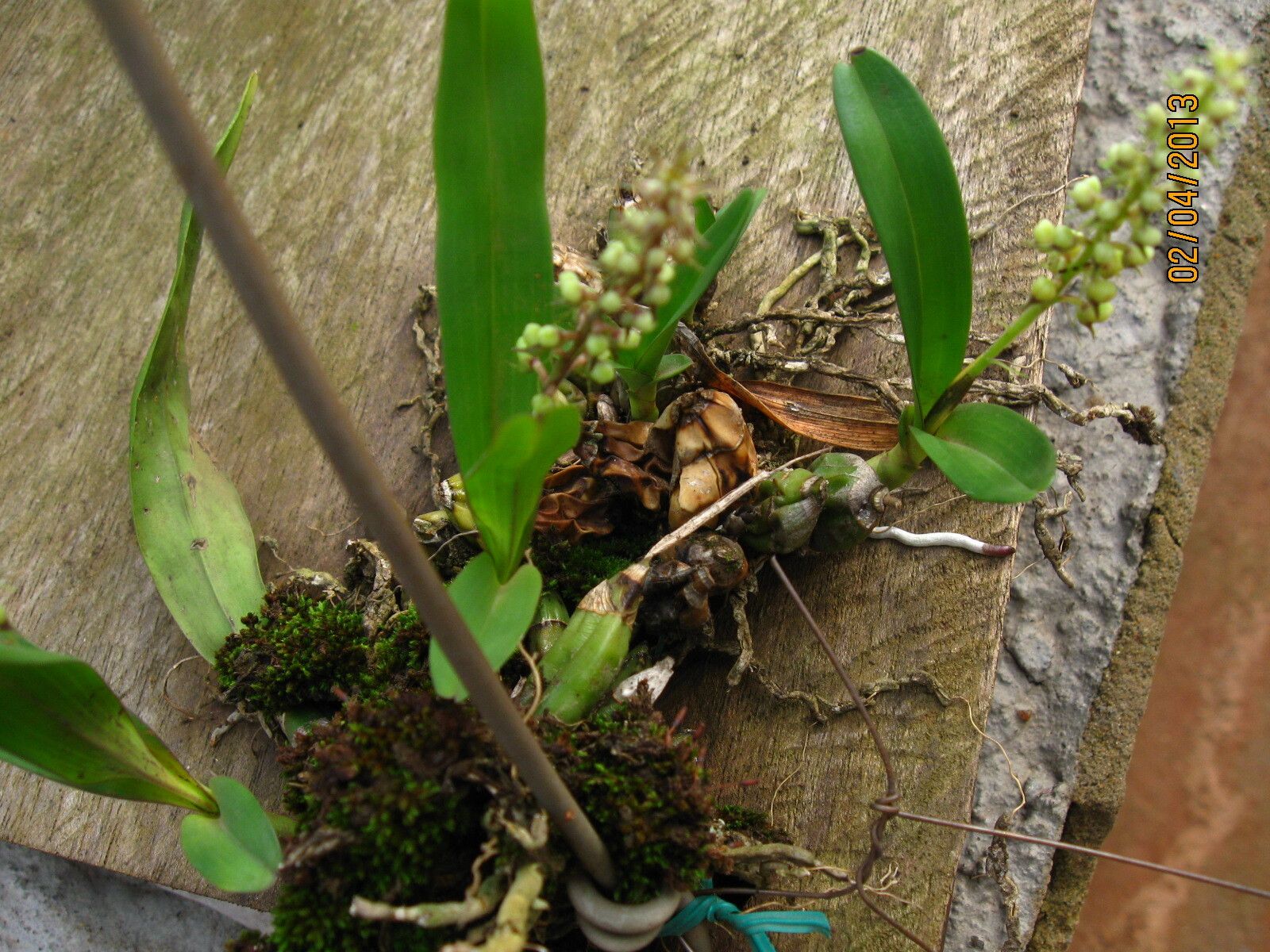
Unlocking the Secrets of Polystachya adansoniae: A Guide to Propagation
The Polystachya adansoniae, with its striking yellow blooms and captivating foliage, is a true showstopper in the world of orchids. But beyond its beauty lies a fascinating aspect: its potential for propagation.
While the thought of propagating orchids might seem daunting, Polystachya adansoniae makes the process relatively straightforward. This guide will reveal the secrets to successfully multiplying your beloved plant.
Understanding the Options
For Polystachya adansoniae, two primary methods of propagation are common:
- Division: This technique involves carefully separating the plant into multiple divisions, each with a portion of the root system and a growth point. This method offers a higher success rate for experienced orchid enthusiasts and typically produces plants that mirror the parent plant.
- Keiki: Keikis are tiny plantlets that develop on the flower spike or stem of the orchid. They naturally grow from dormant buds, creating a miniature version of the parent plant. While this method is a bit more hands-off, it offers the excitement of watching a new plant emerge.
Propagation by Division
- Timing: The best time to divide your Polystachya adansoniae is after the flowering season, when the plant is actively growing.
- Preparation: Using sterilized tools, carefully remove the plant from its pot and gently untangle the roots. This allows for a clear view of the plant’s structure.
- Division: Locate healthy, plump pseudobulbs with roots attached. Separate the plant carefully at the base, ensuring each division has its own root system and a growth point.
- Planting: Pot each division in a well-draining orchid potting mix, ensuring the root system is covered but not crammed. Water thoroughly and place the plant in a bright, indirect light setting.
Propagation Through Keiki
- Patience: Keikis develop naturally, so patience is key. Encourage their development by maintaining the optimal growing conditions for your Polystachya adansoniae: bright, indirect light, warm temperatures, and consistent humidity.
- Separation: When the keiki has developed several leaves and roots of its own, it’s ready to be separated from the mother plant. Use a sharp, sterilized blade to carefully cut the keiki’s roots from the parent plant, ensuring clean cuts.
- Potting: Plant the detached keiki in a small pot with orchid potting mix, making sure its roots are covered. Keep the medium moist and place it in a warm, humid environment with plenty of indirect light.
Essential Tips for Success
- Sterility: Always sterilize your tools to prevent infections and ensure healthy growth.
- Humidity: Maintaining high humidity, especially during the initial weeks after propagation, is crucial for success.
- Patience: Propagation takes time. Be patient, provide adequate care, and allow your new Polystachya adansoniae to establish themselves.
Conclusion
Propagating your Polystachya adansoniae can be a truly rewarding experience, offering a chance to share your passion with friends and family or simply expand your own orchid collection. Whether you choose division or the more hands-off keiki method, remember to approach the process with care, attention to detail, and a touch of patience. Soon, you’ll be reaping the rewards of your efforts with new, thriving Polystachya adansoniae plants, each adding its own unique charm to your orchid family.