
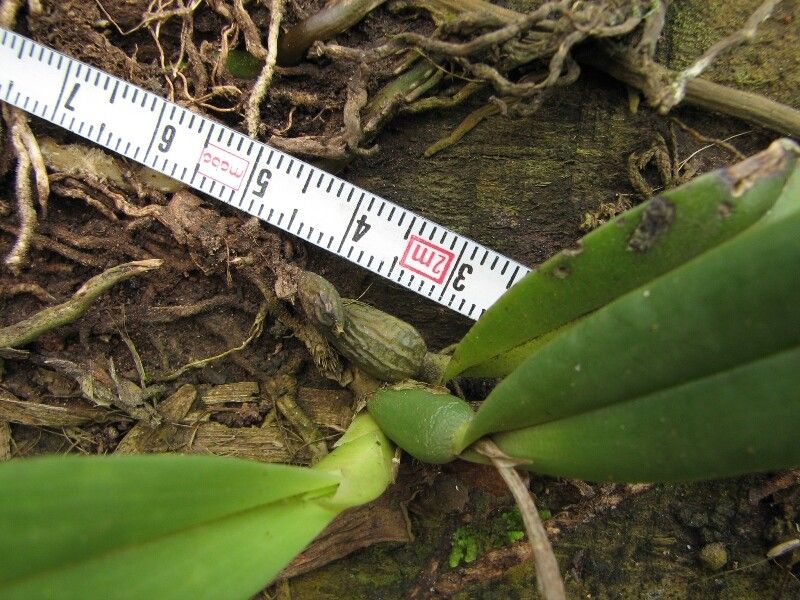
Unlock the Secrets of Polystachya Lejolyana Propagation: From Seed to Success!
Polystachya lejolyana, with its intricate blooms and captivating beauty, is a sought-after orchid for any collection. But how do you expand your collection of this stunning species? The answer lies in propagation. In this post, we’ll delve into the fascinating world of Polystachya lejolyana propagation, exploring the methods, challenges, and success stories you need to know.
The Magic of Seeds:
While it may seem daunting, seed propagation is a fascinating way to grow Polystachya lejolyana. These tiny seeds lack the food reserves of most other seeds, requiring a symbiotic relationship with mycorrhizal fungi to germinate. This unique symbiosis, vital for growth, can be challenging to replicate at home. Specialized labs or orchid enthusiasts with expertise in seed propagation are usually best equipped for this intricate process.
The Power of Division:
A more common approach, and one that often yields success for home growers, is division. This involves carefully separating a mature plant into smaller divisions, each containing its own root system and growth points. To divide, you’ll need a sharp, sterile knife and a gentle hand.
Here’s how it’s done:
- Choose the Right Time: Division is best performed during the active growth period, typically following flowering.
- Prepare the Plant: Carefully remove the plant from its pot.
- Locate the Divisions: Identify the points where the plant naturally divides. Look for areas where new growth points and roots emerge near the base.
- Divide Carefully: Using your sterile knife, gently separate the plant into smaller divisions. Ensure each division has its own root system and at least one healthy growth point.
Repot Individually: Pot each division in a suitable orchid potting mix and water thoroughly.
Keiki Culture: A Faster Way
Keikis are miniature plantlets that can form on the flower spikes of Polystachya lejolyana. They are essentially clones of the parent plant and represent another efficient method of propagation. To encourage keiki formation, you can apply a diluted solution of cytokinin, a plant hormone that promotes growth, to the flower spike. As the keiki develops, you can gently detach it after it has formed its own root system and pot it separately.
Cultivation Tips for Success:
- Light: Polystachya lejolyana appreciates bright, indirect light. Avoid direct sunlight, which can scorch the leaves.
- Humidity: Like most orchids, Polystachya lejolyana thrives in humid conditions. Consider investing in a humidifier or grouping your plants together to increase humidity.
- Watering: Water consistently, allowing the potting mix to dry slightly between waterings. Avoid overwatering, which can lead to root rot.
Fertilizer: Feed your plants during the growing season with a balanced orchid fertilizer diluted to half strength.
Challenges and Troubleshooting:
- Root Rot: Overwatering can lead to root rot. Check for signs of mushy, brown roots and repot the plant in fresh, well-draining potting mix.
- Pest Infestations: Keep an eye out for common orchid pests like mealybugs, aphids, and scale. Treat them promptly with an appropriate insecticide.
Slow Growth: If your plant isn’t growing as quickly as you’d like, consider adjusting its light, humidity levels, and fertilization schedule.
From Seed to Blooms: A Rewarding Journey
Propagating Polystachya lejolyana can be an exciting and rewarding experience. Whether you’re intrigued by the complexities of seed propagation or the convenience of division, each method offers a unique opportunity to expand your collection and appreciate the beauty of this captivating orchid. Remember, provide your plants with the right conditions and a touch of patience, and you’ll soon witness the marvel of their growth, transforming your home into a flourishing orchid paradise.