
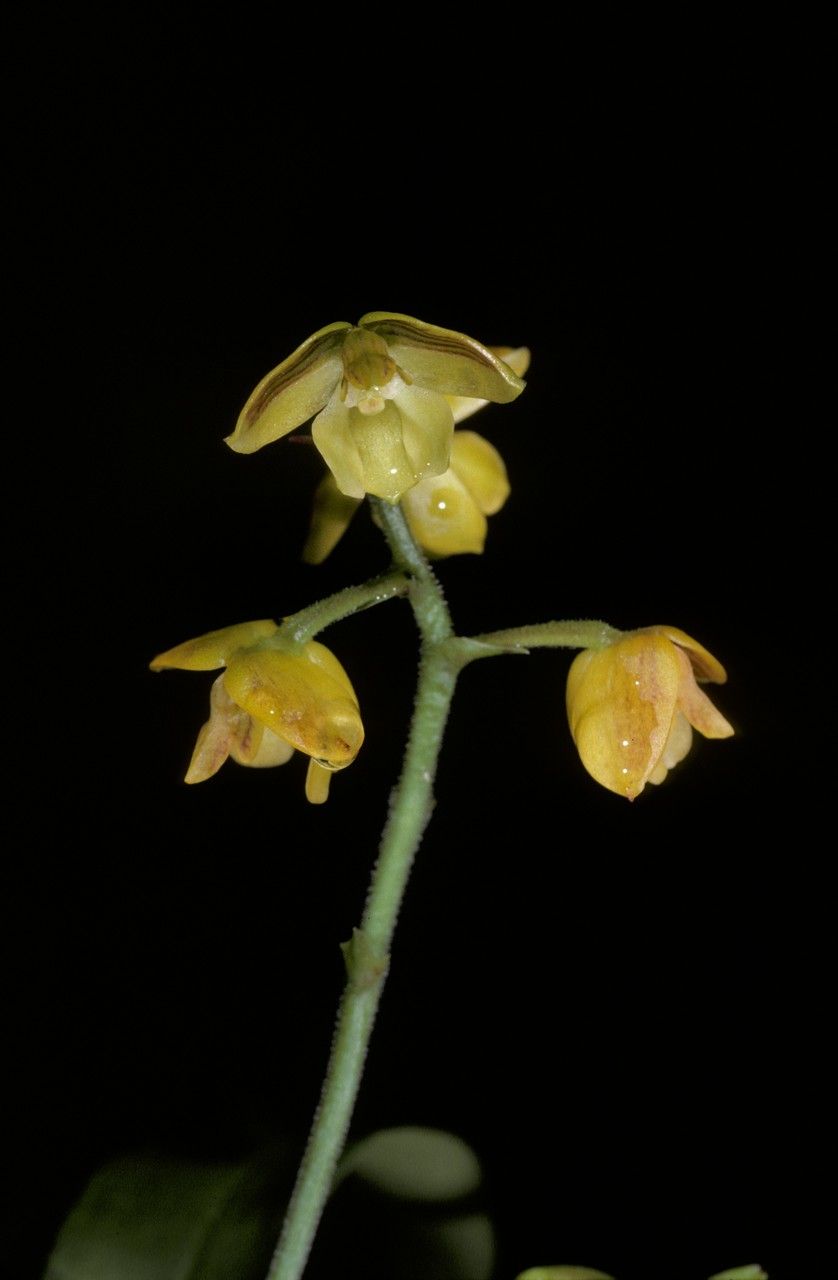
Unveiling the Secrets: Propagating the Charismatic Polystachya Pubescens Orchid
The Polystachya pubescens, with its charming clusters of yellow-orange blooms and unique growth habit, is a treasure for any orchid enthusiast. But successfully propagating this epiphytic beauty can seem as elusive as finding it in its natural habitat. Fear not, fellow plant lovers! We’re diving deep into the world of Polystachya pubescens propagation, equipping you with the knowledge to multiply your orchid joy.
Understanding the Plant:
Before embarking on the propagation journey, it’s vital to understand what makes Polystachya pubescens tick. Native to Africa, this orchid thrives in warm, humid environments, clinging to trees and absorbing moisture and nutrients from the air and rain. Mimicking these natural conditions is key to successful propagation.
Two Roads to Success: Division and Keikis
1. Division:
- Timing is Everything: The ideal time for division is during spring, just as new growth begins. Look for a healthy, mature plant with multiple growths (pseudobulbs) connected by a rhizome.
- Tools of the Trade: Use a sterilized, sharp cutting tool like a scalpel or pruning shears.
- The Process: Carefully divide the rhizome, ensuring each section has at least 3-4 healthy pseudobulbs and an active growth point.
- Potting Up: Plant each division in a well-draining orchid mix, ensuring the base of the pseudobulbs is level with the potting medium. Water sparingly until new growth emerges.
2. Keikis: Nature’s Little Miracles
Keikis, essentially baby orchids, are a delightful surprise offered by some Polystachya pubescens. These miniature plantlets develop from nodes on the flower spike and can be propagated once they have developed roots.
- Patience is Key: Wait until the keiki has at least 3 roots, each about 2-3 inches long, before removing it from the mother plant.
- Gentle Separation: Using a clean, sharp tool, carefully detach the keiki from the flower spike.
- Potting Your Mini-Me: Plant the keiki in a small pot with a well-draining orchid mix, gently securing the roots. Maintain a humid environment and water sparingly.
Nurturing Your New Progeny
Propagated Polystachya pubescens, whether through division or keikis, require a little extra TLC during their early stages:
- Light: Bright, indirect light is crucial. Avoid direct sunlight, which can scorch the delicate leaves.
- Humidity: Maintain humidity levels around 60-70%. Grouping plants, using a pebble tray, or a humidifier can help achieve this.
- Watering: Water thoroughly when the potting mix approaches dryness. Avoid overwatering, which can lead to root rot.
- Fertilizer: Use a balanced orchid fertilizer diluted to half strength every other week during the growing season.
Challenges and Troubleshooting:
While generally resilient, Polystachya pubescens can encounter challenges:
- Yellowing Leaves: Overwatering or insufficient light can be culprits. Adjust watering practices and light exposure accordingly.
- Pests: Common orchid pests like spider mites and scale insects can infest the plant. Treat promptly with insecticidal soap or neem oil.
Propagating your Polystachya pubescens might seem daunting at first, but with patience, care, and a sprinkle of green-thumb magic, you’ll soon have a flourishing collection of these captivating orchids to cherish and share. So, embrace the challenge and unlock the secrets of propagating this botanical gem!