
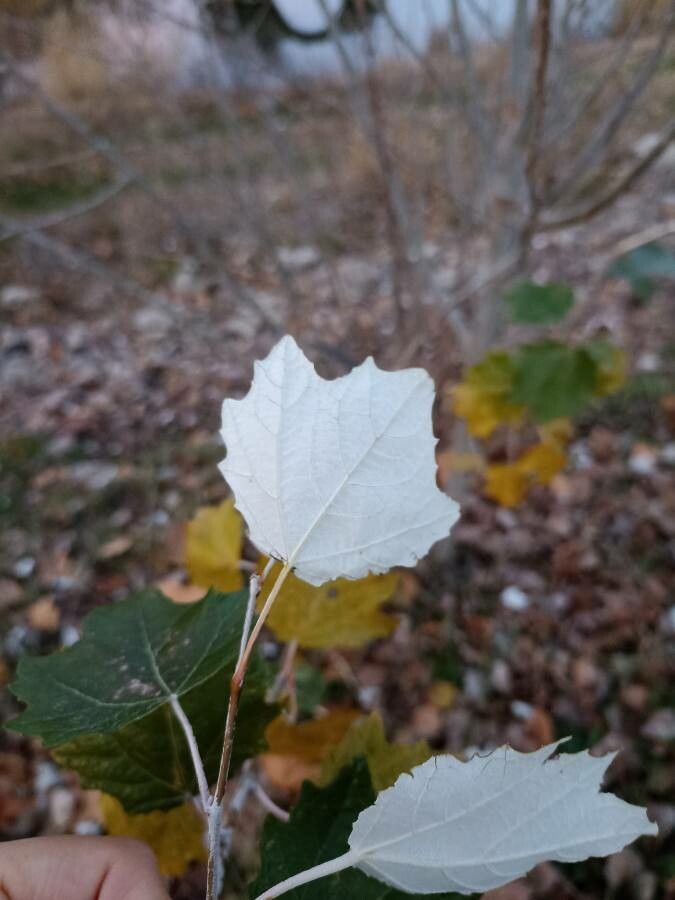
Unleashing the Silver Lining: Propagating the Majestic Populus alba
The Populus alba, better known as the White Poplar, is a majestic sight to behold. With its shimmering silvery leaves rustling in the wind and its ability to tower over other trees, it’s no wonder many dream of having this beauty grace their gardens. But did you know that growing a White Poplar is surprisingly easy? Thanks to its remarkable ability for simple propagation, you can soon have your own silvery guardian watching over your backyard.
Let’s dive into the world of White Poplar propagation and equip you with the knowledge to grow your own:
Two Paths to Poplar Paradise: Cuttings vs. Seedlings
While starting from seed is possible, propagation from hardwood cuttings reigns supreme when it comes to the Populus alba. Here’s why:
- Faster Results: Cuttings offer a significant head start compared to starting from scratch with seeds. You’ll see visible growth much sooner, satisfying your inner green thumb’s need for speed.
- Guaranteed Success: White Poplar cuttings boast an incredibly high success rate, ensuring you won’t be left with a pot of unfulfilled dreams.
- Clone Power: Cuttings allow you to create exact copies of the parent tree, preserving desirable traits like leaf color and growth habit.
The Cutting Edge: A Step-by-Step Guide
Ready to roll up your sleeves and get propagating? Follow these steps:
- Timing is Key: Late fall or early spring, when the tree is dormant, is the perfect time to take hardwood cuttings.
- Choosing the Right Branch: Look for healthy branches from the previous year’s growth, about the diameter of a pencil and 12-18 inches long.
- Making the Cut: Using sharp, clean pruning shears, cut just below a leaf node at a 45-degree angle.
- Prepping for Success: Remove leaves from the lower two-thirds of the cutting, leaving a few at the top. Dip the cut end in rooting hormone (optional but recommended) to encourage root development.
- Planting the Cutting: Stick the cutting into a pot filled with well-draining soil, burying at least one-third of its length. Water thoroughly.
- Patience, Young Padawan: Place the pot in a bright location, but away from direct sunlight. Keep the soil consistently moist but not waterlogged.
Watching Your Poplar Flourish
Within a few weeks, you should start noticing new growth, a clear sign that your cutting has successfully taken root. Once the roots are well-established (usually by the next spring), you can transplant your young White Poplar to its permanent location.
A Few Words of Wisdom
- Choose the Right Spot: White Poplars enjoy full sun and well-drained soil. Remember, these trees can grow quite large, so choose a location with ample space.
- Watering Wisely: While young, Populus alba appreciates regular watering, especially during dry spells.
- Minimal Pruning: White Poplars generally require minimal pruning. Simply remove any dead, diseased, or damaged branches as needed.
Silver Success Awaits
Propagating your own Populus alba is a rewarding experience that transforms your garden with its beauty and elegance. By following these simple steps, you’ll be well on your way to enjoying the majestic presence of this stunning species for years to come. So, go ahead, unleash your inner propagator, and let the silver lining of the White Poplar grace your world.