
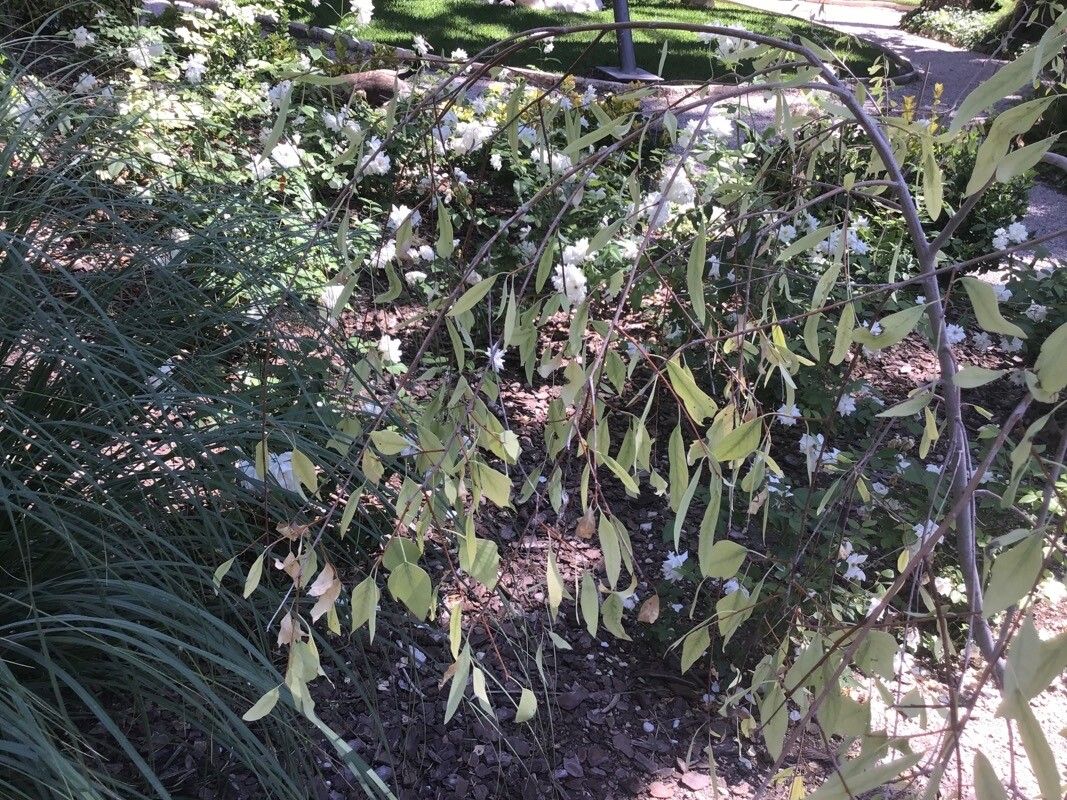
Taming the Desert Giant: Propagating the Hardy Populus euphratica
The Populus euphratica, often called the Euphrates poplar or desert poplar, isn’t your average backyard tree. This tenacious species thrives in some of the harshest conditions on earth, from arid deserts to saline riverbanks. Its ability to withstand drought, salinity, and extreme temperatures makes it a symbol of resilience and a fascinating subject for plant enthusiasts.
Interested in inviting this desert survivor to your own landscape? While finding an established Populus euphratica in a nursery might be a challenge, propagation offers a rewarding way to cultivate this unique tree. Let’s explore the two primary methods:
1. Cuttings: A Faster Route to Rooting
Propagating Populus euphratica from cuttings offers a faster and generally more successful method, mimicking the tree’s natural ability to regenerate from broken branches. Here’s a step-by-step guide:
Timing is Key: Take cuttings in late fall or early spring when the tree is dormant, ensuring the highest concentration of stored energy.
Selecting the Right Cuttings: Choose healthy, woody stems from the previous year’s growth. Look for sections about 6-8 inches long with at least 3-4 nodes (the bumps where leaves emerge).
Preparing the Cuttings:
- Remove leaves from the lower two-thirds of the cutting to prevent moisture loss.
- Make a clean, angled cut just below a node to maximize the rooting surface.
- (Optional) Dip the cut end in rooting hormone to encourage faster root development.
Planting and Care:
- Plant the cuttings in a well-draining potting mix, burying the bottom two nodes.
- Water thoroughly and keep the soil consistently moist but not waterlogged.
- Provide bright, indirect light and maintain a warm temperature (around 70°F).
Within a few weeks, you should see signs of new growth, indicating successful rooting. Gradually acclimate the cuttings to outdoor conditions before transplanting them to their permanent location in late spring or early summer.
2. Seeds: A Test of Patience and Persistence
Propagating Populus euphratica from seeds can be more challenging, but it offers a rewarding sense of accomplishment. Here’s what you need to know:
Seed Collection and Storage: Collect mature seed capsules from the tree in late spring or early summer. Allow them to dry completely before extracting the tiny, cottony seeds.
Sowing the Seeds:
- Start seeds indoors 8-10 weeks before the last expected frost.
- Use a well-draining seed-starting mix and sprinkle the seeds evenly over the surface.
- Lightly press the seeds into the mix but do not bury them, as they need light to germinate.
Germination and Care:
- Maintain the soil consistently moist using a spray bottle to avoid disturbing the seeds.
- Provide bright, indirect light and a warm temperature (around 70-75°F).
Germination can be erratic and may take several weeks. Once the seedlings emerge and have a few sets of true leaves, thin them out to provide adequate spacing for growth. As with cuttings, harden off the seedlings before transplanting them outdoors in a sunny location with well-drained soil.
A Testament to Nature’s Tenacity
Whether you choose to propagate Populus euphratica from cuttings or seeds, the process provides a unique opportunity to connect with this remarkable tree’s resilience. Watching it grow and thrive, even in challenging environments, serves as a constant reminder of nature’s incredible ability to adapt and endure.