
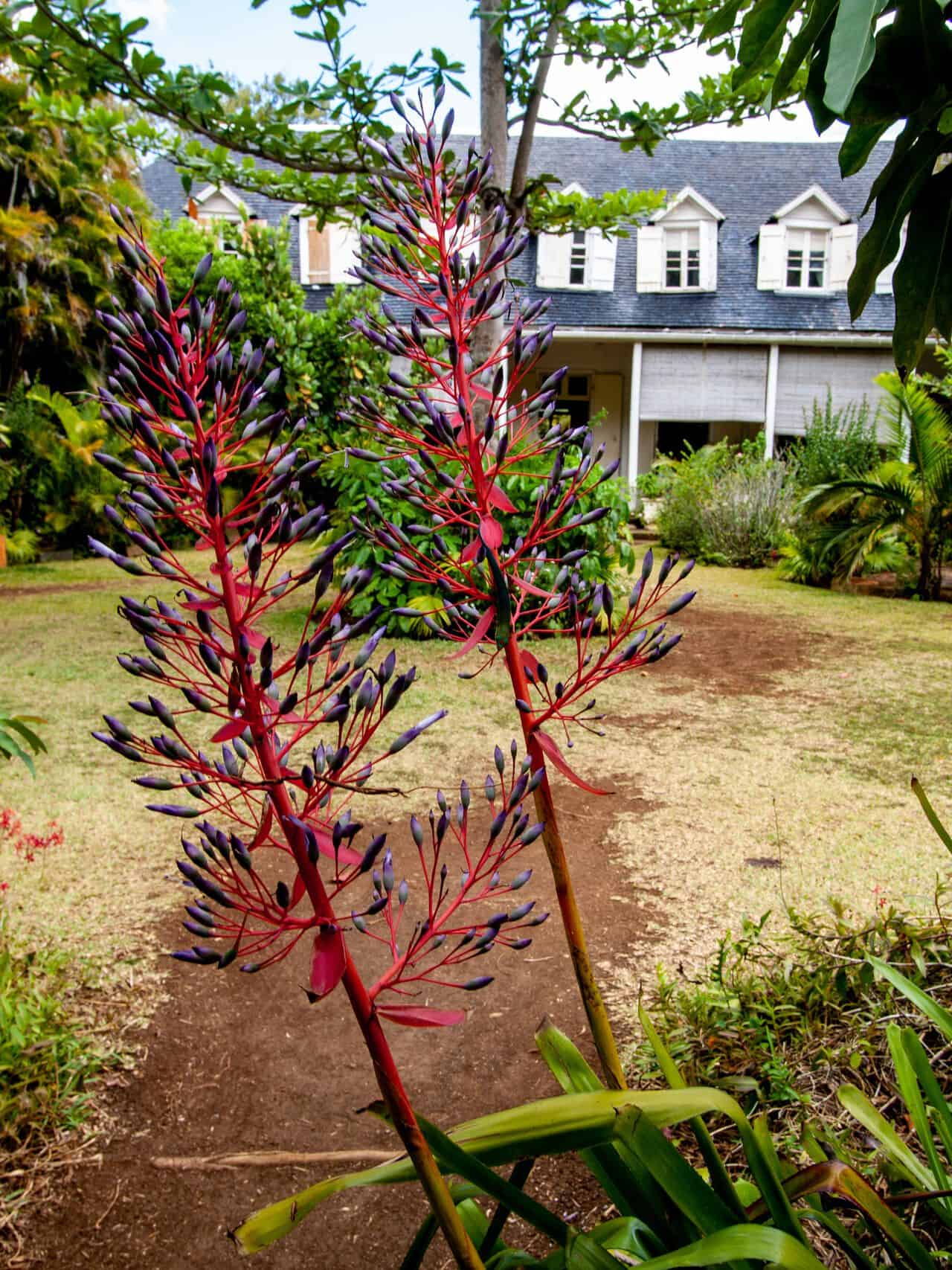
Unlocking the Secrets to Multiplying Your Majestic Portea Petropolitana
The Portea petropolitana, with its spiky green foliage and vibrant pink flower spikes, makes a bold statement in any plant collection. But did you know that this bromeliad beauty can be easily multiplied at home? That’s right, no need to envy other collectors! We’re unlocking the secrets to propagating your very own Portea petropolitana dynasty.
The Power of Pups: Understanding Bromeliad Reproduction
Before we delve into the "how-to," let’s understand how the Portea petropolitana naturally reproduces. Like many bromeliads, the main plant (or "mother plant") produces "pups" – baby plants that emerge at the base after flowering. These pups are essentially clones, carrying the same striking characteristics as their parent.
Propagation Techniques: Two Paths to Bromeliad Bliss
1. Division: This method involves carefully separating mature pups from the mother plant. Here’s a step-by-step guide:
- Timing is Key: Wait until the pup is at least one-third the size of the mother plant and has developed its own roots. This typically takes several months after flowering.
- Gently Does It: Use a clean, sharp knife or shears to separate the pup, ensuring a portion of the mother plant’s base remains attached.
- Potting Up: Choose a well-draining potting mix specifically formulated for bromeliads. Plant the pup firmly, ensuring the base is level with the soil surface.
- Patience is a Virtue: Keep the newly potted pup in a warm, humid environment with bright, indirect light. Water sparingly until new growth emerges.
2. Seed Propagation: While less common, propagating from seed offers a unique challenge for plant enthusiasts:
- Source Your Seeds: You can collect seeds from a mature Portea petropolitana after flowering, or purchase them from a reputable supplier.
- Sowing the Seeds: Use a seed starting mix and sow the seeds superficially, pressing them lightly into the damp medium.
- Creating the Right Environment: Cover the container with a plastic dome or wrap to maintain humidity and place it in a well-lit area, out of direct sunlight.
- Transplanting Time: Once the seedlings are large enough to handle, carefully transplant them into individual pots using a well-draining bromeliad mix.
Post-Propagation Care: Nurturing Your New Generations
Whether you choose division or seed propagation, the key to success lies in providing the optimal environment for your new Portea petropolitanas:
- Light: Bright, indirect light is ideal. Avoid placing them in direct sunlight, which can scorch their leaves.
- Water: Water sparingly, allowing the potting mix to dry out slightly between waterings. Ensure good drainage to prevent root rot.
- Humidity: As tropical plants, Portea petropolitanas thrive in humid environments. Misting regularly or placing the pot on a pebble tray filled with water can help.
- Fertilizer: Feed your plants every 4-6 weeks during the growing season (spring-summer) with a diluted balanced fertilizer.
Propagating your Portea petropolitana is not just simple, it’s incredibly rewarding. By following these steps, you can expand your plant family and enjoy these architectural wonders for years to come! So go ahead, share the love and spread the joy of bromeliads with friends and fellow collectors.