
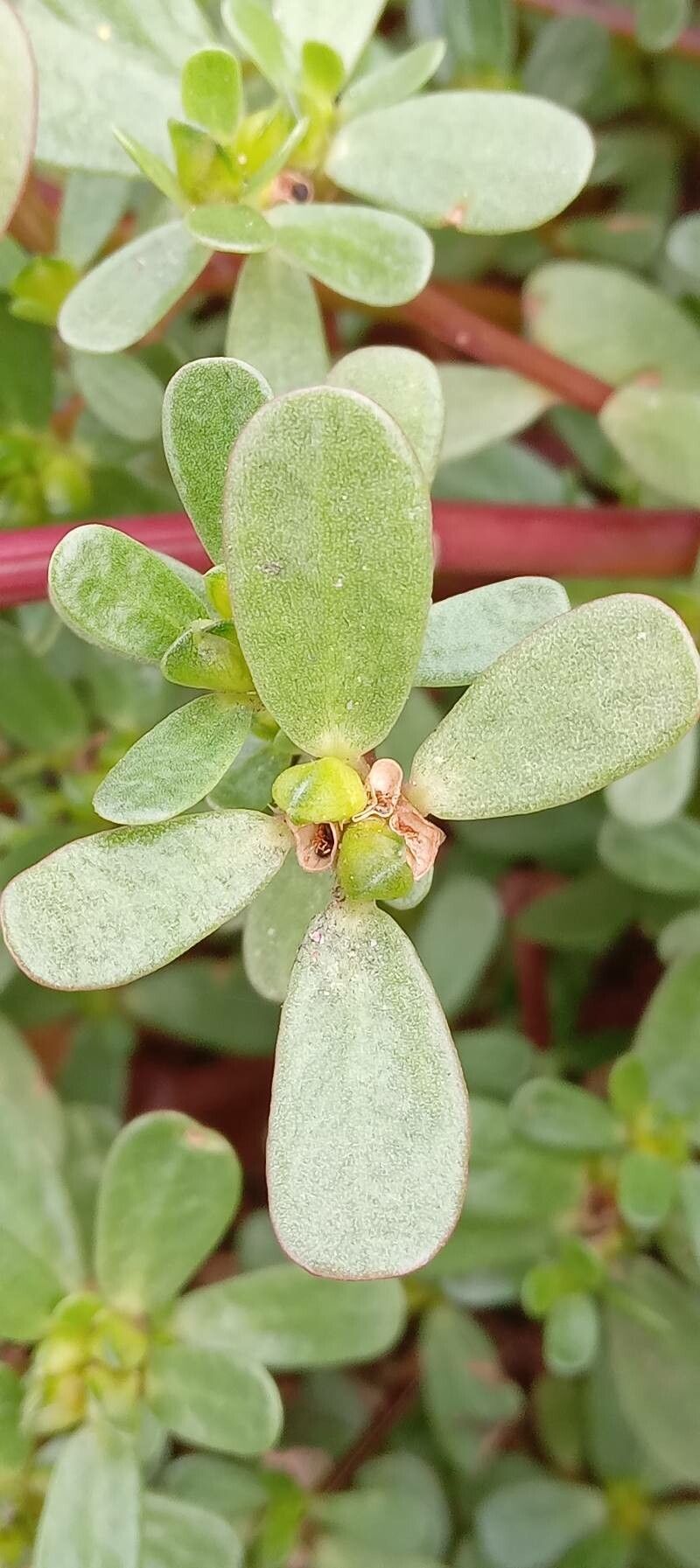
Purslane Power: Easy Propagation to Fill Your Garden (and Your Plate!)
Purslane (Portulaca oleracea) is a versatile plant, known for its succulent leaves, vibrant flowers, and surprisingly delicious flavor. What’s even more surprising is how easy it is to multiply your purslane stash through propagation! Whether you’re a seasoned gardener or just starting out, these methods can help you create a thriving patch of this delightful edible green.
1. The Power of Seeds:
Purslane readily produces tiny, black seeds that germinate easily. Here’s how to get started:
- Collecting Seeds: Once your purslane blooms, small seed pods will form. Allow them to dry completely, then gently shake them to release the seeds.
- Sowing: Purslane thrives in warmer temperatures. You can directly sow seeds outdoors after the last frost, or start them indoors 4-6 weeks before your last frost date. Choose a sunny spot with well-draining soil. Lightly press the seeds into the soil, as they need sunlight to germinate.
- Thinning: Once seedlings emerge (usually within 1-2 weeks), thin them out to give each plant ample space to grow.
2. Cutting Through Complexity:
Purslane can also be quickly propagated through stem cuttings. It’s a simple and rewarding process:
- Harvesting Cuttings: Choose healthy, non-flowering stems about 4-6 inches long. Cut just below a leaf node (the point where leaves grow from the stem).
- Preparing Cuttings: Remove any lower leaves that will be submerged in the soil. You can either dip the ends in rooting hormone for a boost or simply plant them directly.
- Planting Cuttings: Prepare pots or trays with a well-draining potting mix. Place the cuttings vertically in the soil, ensuring at least one leaf node is below the surface. Water gently.
- Care: Keep the cuttings in a bright, warm spot. Once roots form (usually within a few weeks), you can transplant them into your garden bed.
3. Dividing and Conquering:
This method is ideal if you already have an established purslane plant.
- Time to Divide: The best time to divide a purslane plant is in spring or early summer.
- Preparing the Plant: Gently lift the plant from the ground, using a fork or trowel. If necessary, tease the roots apart slightly to separate the plant into smaller portions.
- Planting the Divisions: Prepare new planting spots and carefully place each division into the soil. Water well to help the divisions settle in.
Beyond the Basics:
- Light: Purslane thrives in full sun, providing at least 6 hours of direct sunlight daily.
- Water: While purslane is drought-tolerant, it prefers regular watering, especially during the first few weeks after planting. Overwatering can lead to root rot, so allow the soil to dry slightly between waterings.
- Fertilize: Purslane is a light feeder, so regular fertilization is not usually necessary. However, if your soil is poor in nutrients, you can apply a balanced liquid fertilizer monthly.
- Pests and Diseases: Purslane is relatively pest and disease-resistant.
Propagating purslane is a fun and easy way to add this versatile plant to your garden. With these simple methods, you can enjoy the delicious leaves and vibrant blooms of purslane for years to come – all while adding a touch of green power to your culinary repertoire! So get your hands dirty and embrace the simplicity of this vibrant edible!