
Doubling Down on Floating Pondweed: A Guide to Propagating Potamogeton natans
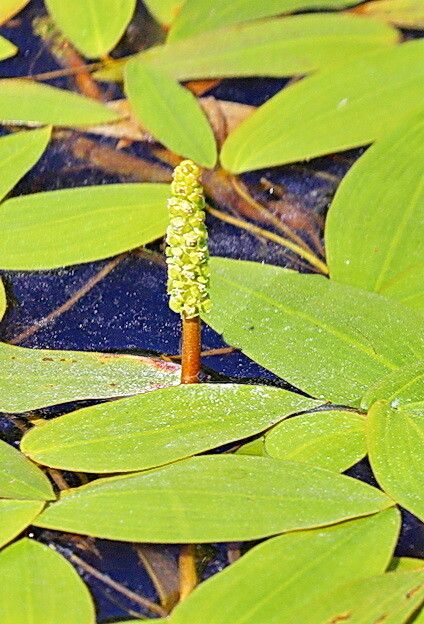
Potamogeton natans, more commonly known as broad-leaved pondweed or floating pondweed, is a fascinating aquatic plant that graces many a pond and lake. With its elegant, oval-shaped floating leaves and subtle underwater foliage, it provides valuable habitat and food for fish and wildlife. Interested in adding this oxygenating beauty to your own aquatic haven? Let’s dive into the world of propagating Potamogeton natans.
Understanding the Basics
Before we get our hands dirty (or rather, wet!), it’s important to understand the lifecycle of Potamogeton natans. This perennial plant primarily reproduces in two ways:
- Seeds: In late summer, the plant produces inconspicuous flowers that develop into small, nut-like seeds.
- Vegetative Propagation: This involves growing new plants from existing plant parts.
Both methods have their pros and cons, offering different levels of ease and effectiveness.
Method 1: Starting from Seed
For the patient gardener, starting Potamogeton natans from seed can be a rewarding experience. Here’s how:
- Collection: Collect mature seeds from existing plants in late summer or early fall. Look for brown, hardened seeds on the flowering stalks.
- Stratification (Optional): While not strictly necessary, cold stratification can improve germination rates. Store seeds in a moist paper towel inside a refrigerator for 4-6 weeks.
- Sowing: Sow seeds in early spring, either directly into your pond’s shallow margins (about 1-2 feet deep) or in pots submerged in water.
- Patience: Seed germination can be slow and erratic, sometimes taking several weeks or even months.
Method 2: The Power of Vegetative Propagation
For quicker and often more reliable results, vegetative propagation is the way to go. Here are two common techniques:
- Division: In spring or early summer, carefully dig up established plants. Gently separate the rhizomes (underground stems), ensuring each division has roots and shoots. Replant these divisions immediately, either directly into the pond bottom or in submerged pots.
- Cuttings: From late spring to summer, take stem cuttings about 6-8 inches long, ensuring each cutting includes several nodes (the points where leaves attach). Simply float the cuttings in your pond, or pot them in submerged containers. Roots should develop from the nodes within a few weeks.
Tips for Success:
- Light: Potamogeton natans thrives in full sun to partial shade.
- Water Depth: Aim for a water depth of 1 to 3 feet for optimal growth.
- Nutrients: While not heavy feeders, these plants benefit from nutrient-rich pond sediment. You can supplement with aquatic plant fertilizer if needed.
- Be Mindful: In some regions, Potamogeton natans can become invasive. Check local regulations and manage its growth accordingly.
Propagating Potamogeton natans is a rewarding way to introduce this valuable native species to your pond. By following these guidelines, you can enjoy the beauty and ecological benefits of this fascinating aquatic plant for years to come.