
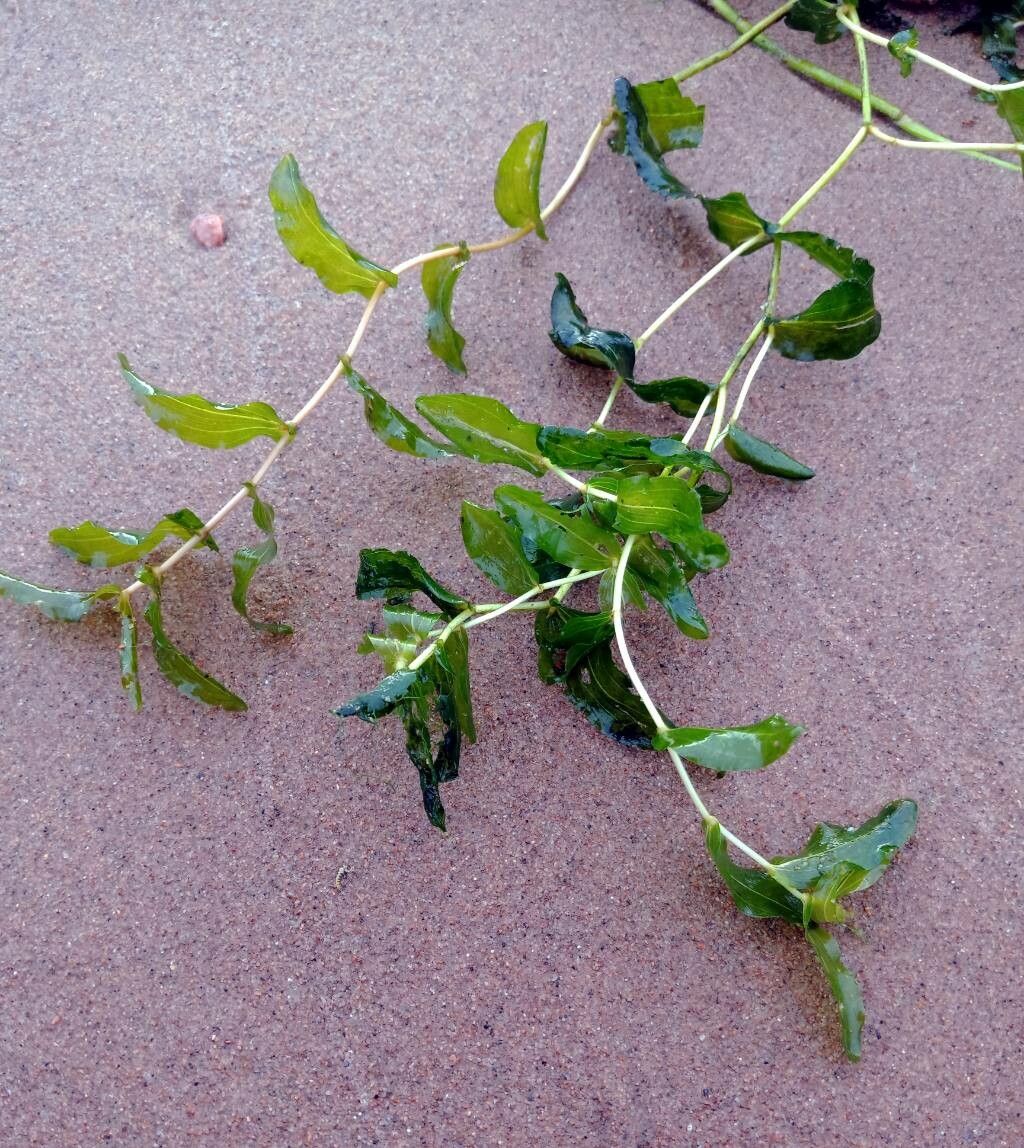
From Pond to Pot: The Easy Guide to Propagating “Perfoliate Pondweed”
You love the lush underwater beauty of Potamogeton perfoliatus, also known as Perfoliate Pondweed, in your pond or aquarium. But you’re eager to share this vibrant greenery with friends or expand its presence in your aquatic ecosystem. You’re in luck! Propagating Perfoliate Pondweed is incredibly easy, and you can achieve success with a few simple techniques!
Understanding the Natural Propagation:
Perfoliate Pondweed thrives in its natural environment thanks to its efficient vegetative propagation method. This means it doesn’t rely on seeds for reproduction, instead relying on its own plant parts to create new individuals. The plant produces tubers, which are underground storage structures that can sprout into new plants. Additionally, fragments of the plant can readily develop roots and grow into independent plants.
Your Guide to Successful Propagation:
Let’s dive into the two main methods for propagating Perfoliate Pondweed:
Tuber Propagation:
- Harvest: Gently remove the tubers from the parent plant. The best time to harvest is during the warmer months when the plant is actively growing.
- Planting: Plant the tubers directly into the substrate of your pond or aquarium. Ensure the substrate is nutrient-rich and provides a suitable environment for root development.
- Conditions: Maintain a water temperature range between 68-82°F for optimal growth, and provide adequate light.
- Patience: Be patient, as the tubers may take several weeks to sprout and establish themselves.
Fragment Propagation:
- Selection: Choose healthy, vigorous plant stems and carefully cut them into sections of approximately 4-6 inches.
- Planting: Plant the fragments directly into the substrate of your pond or aquarium. These fragments should root rapidly.
- Conditions: Maintain optimal water temperature, light, and nutrient levels for successful growth.
Tips for Success:
- Water Quality: Clean, well-oxygenated water is crucial for a thriving Perfoliate Pondweed.
- Lighting: Provide sufficient lighting, especially when propagating from fragments, to stimulate photosynthesis and growth.
- Nutrient Levels: Ensure your pond or aquarium water contains enough nutrients for the plant to thrive, especially during the vegetative propagation period.
Beyond the Basics:
- Sharing the Joy: Once your propagated plants have grown larger, you can easily share them with friends or add them to other aquatic environments.
- Benefits of Perfoliate Pondweed: This plant not only adds beauty to your aquatic system but also provides shelter for fish and other creatures, helps control algae growth, and acts as an natural filter for the water.
Conclusion:
Propagating Perfoliate Pondweed is a rewarding endeavor that allows you to expand your personal aquatic garden or share this beautiful and beneficial plant with others. With its simple methods and the right conditions, you can easily enjoy the lush greenery of Perfoliate Pondweed in your pond or aquarium for years to come!