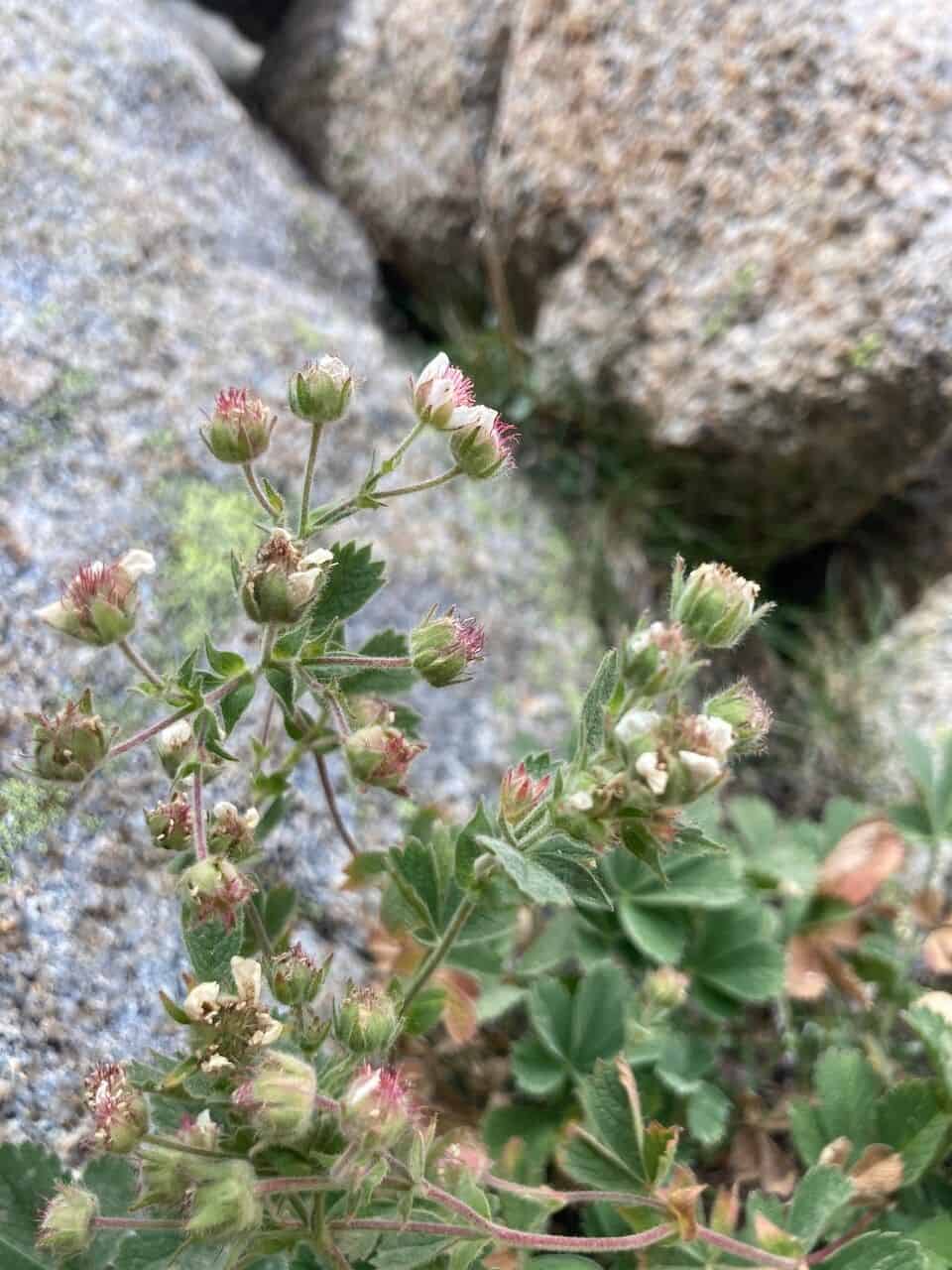
Propagating the Thick-Veined Cinquefoil (Potentilla crassinervia): A Gardener’s Guide
Introduction
Potentilla crassinervia, commonly known as Thick-veined Cinquefoil, is a captivating groundcover prized for its attractive, deeply veined, silvery-green foliage and charming, small yellow flowers. Native to the western United States, this hardy perennial thrives in rocky, well-drained soils and adds a touch of elegance to rock gardens, slopes, and dry areas. Its popularity among gardeners stems from its drought tolerance, low maintenance requirements, and the intriguing texture it brings to the landscape. However, propagating Potentilla crassinervia presents unique challenges, making successful cultivation all the more rewarding.
Seed Germination
Currently, there are no known reliable methods for seed germination propagation of Potentilla crassinervia. While the plant does produce seeds, their germination rate is notoriously low, and successful germination under cultivation has not been widely documented. Further research into seed treatment and germination conditions may be needed to ascertain the viability of this propagation method.
Cuttings
Cuttings present a more promising avenue for propagating Potentilla crassinervia.
- Challenges: Success with cuttings depends on timing and technique. Taking cuttings from overly mature or stressed plants may reduce success rates. Rotting can also be a problem if proper hygiene and conditions aren’t maintained.
- Tips: Softwood cuttings taken in spring or early summer are recommended. Dip the cut ends in rooting hormone before planting them in a well-draining, moist rooting medium (e.g., a mix of perlite and peat moss). Maintain high humidity using a humidity dome or propagator and ensure consistent moisture without overwatering. Root development typically takes several weeks to a couple of months.
- Rewards: Cuttings offer a relatively quick and reliable way to produce genetically identical clones of a desirable mother plant, ensuring consistent plant characteristics.
Division
Division is arguably the easiest and most reliable method for propagating Potentilla crassinervia.
- Challenges: This method is best suited for established, mature plants. Care needs to be taken during the division process to avoid damaging the root system.
- Tips: The best time to divide Potentilla crassinervia is in spring or fall. Carefully dig up the plant and gently separate it into smaller sections, each with its own healthy roots and shoots. Replant the divisions immediately in well-prepared soil, ensuring adequate spacing.
- Rewards: Division provides a rapid means of increasing the number of plants quickly, without the lengthy process of growing from cuttings. It also minimizes the risk of plant loss compared to seed germination or tissue culture.
Tissue Culture
Tissue culture offers the potential for large-scale propagation of Potentilla crassinervia, but it requires specialized equipment and expertise.
- Challenges: Establishing sterile culture conditions and developing optimal growth media for Potentilla crassinervia requires significant technical skill and resources. The process is time-consuming and expensive.
- Tips: Success with tissue culture hinges on maintaining a sterile environment, utilizing appropriate plant growth regulators, and selecting healthy, disease-free plant material for explanting. Protocols might need to be developed specifically for this species.
- Rewards: Tissue culture allows for the mass production of genetically uniform plants, opening possibilities for commercial propagation and conservation efforts. It also allows for the elimination of diseases, resulting in healthier plants.
Conclusion
Propagating Potentilla crassinervia presents various challenges, with division proving the simplest and most reliable method for the average gardener. While seed propagation is currently unreliable and tissue culture demands specialized skills and resources, cuttings offer a viable alternative for moderate-scale propagation. The unique satisfaction of successfully cultivating this appealing plant lies in overcoming these hurdles and witnessing the rewards of your efforts – the flourishing of these charming, silvery-leaved groundcovers in your garden is a testament to your perseverance and horticultural skill. Don’t be discouraged by initial setbacks; careful planning, attention to detail, and patience are crucial elements in achieving success with Potentilla crassinervia propagation.