
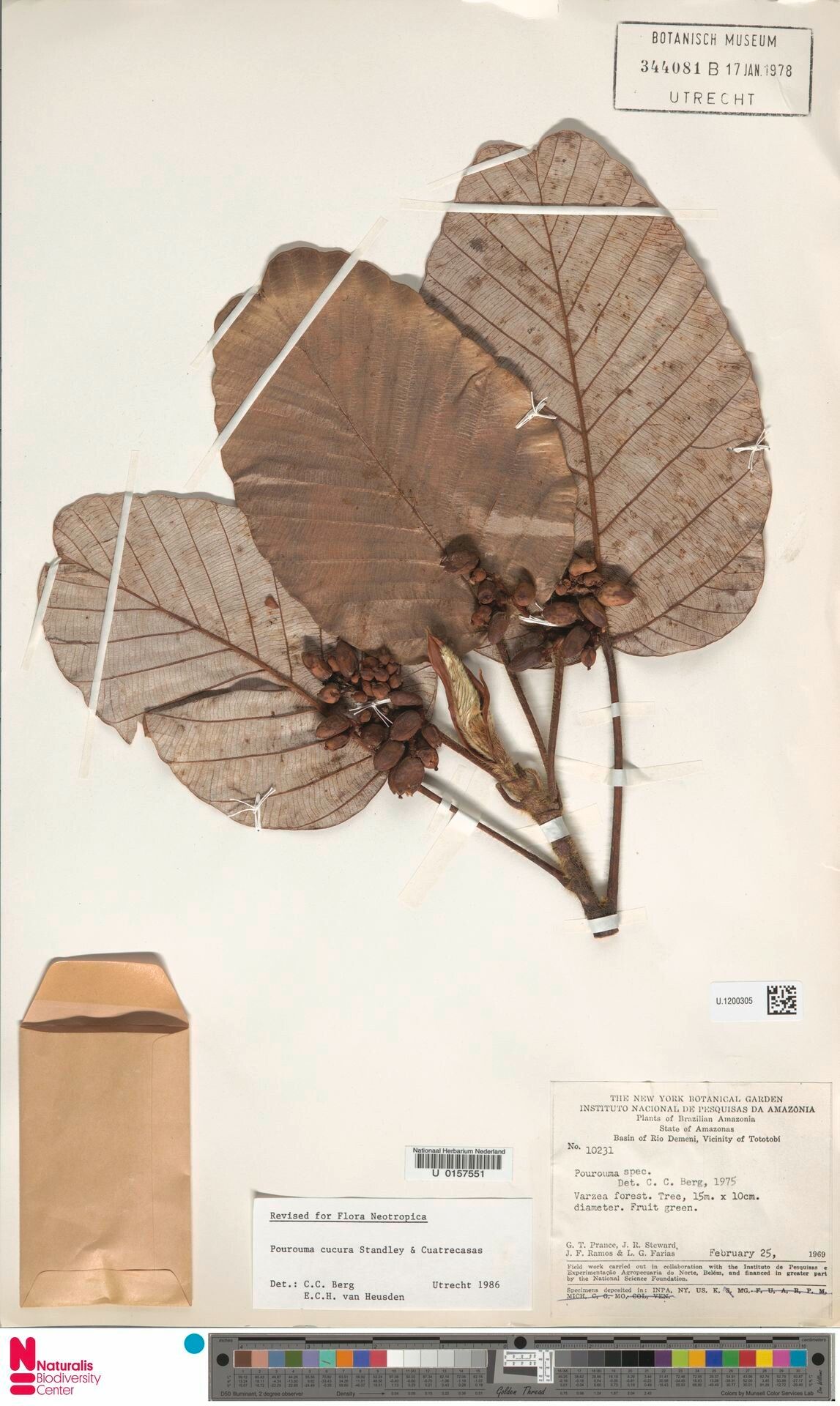
Unveiling the Secrets of Pourouma Cecropia Propagation: From Seed to Sturdy Sapling
The Amazon rainforest holds countless wonders, and among them is the intriguing Pourouma cecropia, also known as the Amazon Grape or Uvilla. This fast-growing, fruit-bearing tree is gaining popularity for its delicious, grape-like fruits and its potential as a sustainable food source. But for many enthusiasts, the question remains: how do you actually grow a Pourouma cecropia? Let’s delve into the fascinating world of propagating this rainforest gem.
Two Paths to Success: Seed vs. Cutting
While Pourouma cecropia can be propagated through both seeds and cuttings, each method comes with its own set of advantages and challenges:
1. The Seed Route: A Test of Patience
- Pros: Seeds are relatively easy to obtain and offer the satisfaction of nurturing a plant from its earliest stage.
- Cons: Germination can be slow and unpredictable. You might be waiting for several weeks, or even months, before seeing any signs of life.
Tips for Seed Success:
- Freshness is Key: Source seeds from reputable suppliers to ensure high viability.
- The Soaking Solution: Soak your seeds in lukewarm water for 24-48 hours prior to sowing. This softens the outer shell and encourages germination.
- Warmth and Humidity: Sow seeds in a well-draining seed-starting mix, keeping the soil consistently moist and warm (around 75-85°F). A seedling heat mat can be beneficial.
- Patience, Young Padawan: Don’t lose hope if you don’t see sprouts immediately. Be patient and continue providing optimal conditions.
2. The Cutting Edge: Faster Results, Steeper Learning Curve
- Pros: Cuttings generally root faster than seeds, allowing you to enjoy a mature plant sooner. They also ensure the offspring will be genetically identical to the parent plant.
- Cons: Taking cuttings requires a bit more finesse and the success rate can be variable depending on your technique and the parent plant’s health.
Mastering the Art of Cuttings:
- Timing is Everything: The best time to take cuttings is during the plant’s active growing season, typically in spring or early summer.
- Selecting the Perfect Candidate: Choose healthy branches that are about 6-8 inches long and have at least two nodes (the bumps where leaves emerge).
- Hormones for a Helping Hand: Dip the cut end of the cutting in rooting hormone powder to stimulate root development.
- Creating the Ideal Environment: Plant your cuttings in a well-draining potting mix and provide warmth, humidity, and indirect sunlight.
Nurturing Your Pourouma Cecropia: A Shared Journey
No matter which propagation method you choose, providing your Pourouma cecropia with the right care is crucial for its long-term success. This rainforest native thrives in:
- Well-draining soil: Avoid waterlogged roots, which can lead to rot.
- Warm temperatures: Ideally above 65°F.
- High humidity: Regular misting or a humidifier can recreate its natural environment.
- Bright, indirect light: While it enjoys sunlight, harsh midday sun can scorch its leaves.
A Rewarding Endeavor
Propagating Pourouma cecropia might require a bit of patience and dedication, but the reward of growing this unique and delicious fruit-bearing tree is well worth the effort. So, why not embark on this exciting horticultural adventure and bring a taste of the Amazon rainforest to your own backyard?