
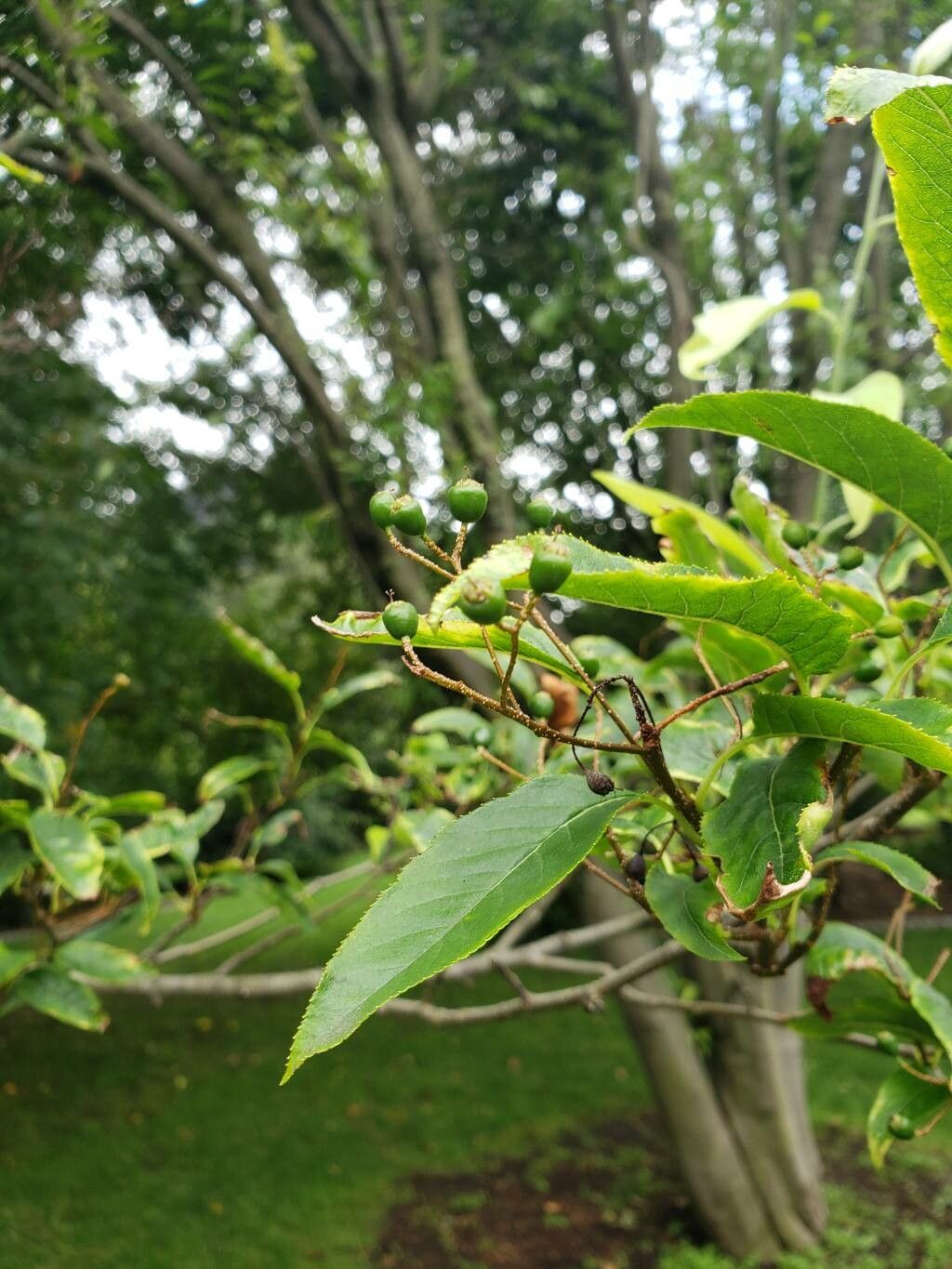
Unleash the Beauty of Taiwan Hawthorn: A Guide to Propagating Pourthiaea arguta
The Taiwan Hawthorn, scientifically known as Pourthiaea arguta, is a visual delight with its clusters of white spring blossoms, vibrant autumn foliage, and persistent red berries that attract a variety of birds. If you’re captivated by this ornamental beauty and want to grace your garden with its presence, propagation is the key. This comprehensive guide will equip you with the knowledge to multiply your Taiwan Hawthorn and share its charm.
Understanding the Basics
Before embarking on the propagation journey, understanding the plant’s growth habits is crucial. Pourthiaea arguta can be propagated using two primary methods:
1. Seed Propagation:
This method, while requiring patience, offers a rewarding experience. It’s important to note that seeds may exhibit some variability in traits compared to the parent plant.
2. Semi-Hardwood Cuttings:
This technique involves taking cuttings from semi-mature wood and encouraging them to develop roots. It generally offers a quicker and more predictable outcome compared to seed propagation.
Method 1: Seed Propagation
- Seed Collection and Preparation: Collect ripe berries in the fall and extract the seeds. Cleanse the seeds of any pulp and allow them to dry thoroughly. To break seed dormancy and promote germination, cold stratification is recommended. Mix the seeds with damp vermiculite or sand, store them in a sealed plastic bag, and refrigerate for 6-8 weeks.
- Sowing: In spring, sow the stratified seeds in well-draining seed starting mix, lightly covering them with the mix. Provide consistent moisture and a warm, bright location out of direct sunlight.
- Transplanting: Once the seedlings develop a few sets of true leaves and are sturdy enough to handle, they can be transplanted to individual pots or outdoors after the last frost.
Method 2: Semi-Hardwood Cuttings
- Timing and Preparation: The ideal time for taking semi-hardwood cuttings is late summer to early fall. Select healthy, non-flowering shoots from the current year’s growth. Cuttings should be 4-6 inches long, made just below a leaf node. Remove the leaves from the lower third of the cutting.
- Potting and Rooting: Dip the cut end in rooting hormone powder to encourage root development. Plant the prepared cuttings in a well-draining, moist rooting mix, ensuring at least one leaf node is buried. Cover the cuttings with a plastic bag or use a humidity dome to maintain a humid environment.
- Transplantation: After several weeks, gently tug on the cuttings to check for resistance, indicating root development. Once roots establish, gradually acclimate the cuttings to outdoor conditions before transplanting them to their permanent location.
Caring for Your New Taiwan Hawthorns
- Soil and Sunlight: Pourthiaea arguta thrives in well-drained soil with a slightly acidic to neutral pH. It tolerates full sun to partial shade, with optimal flowering occurring in sunnier locations.
- Watering: Water your newly propagated plants regularly, especially during their establishment phase, ensuring the soil remains consistently moist but not waterlogged.
- Fertilization: Fertilize your Taiwan Hawthorn in spring with a balanced, slow-release fertilizer to support its growth and flowering.
Propagating Pourthiaea arguta might require patience and effort, but the reward of witnessing new life sprout and flourish under your care makes it a fulfilling experience. By following these steps and incorporating proper care practices, you can successfully multiply your Taiwan Hawthorn, adding its timeless beauty to your garden sanctuary for years to come.