
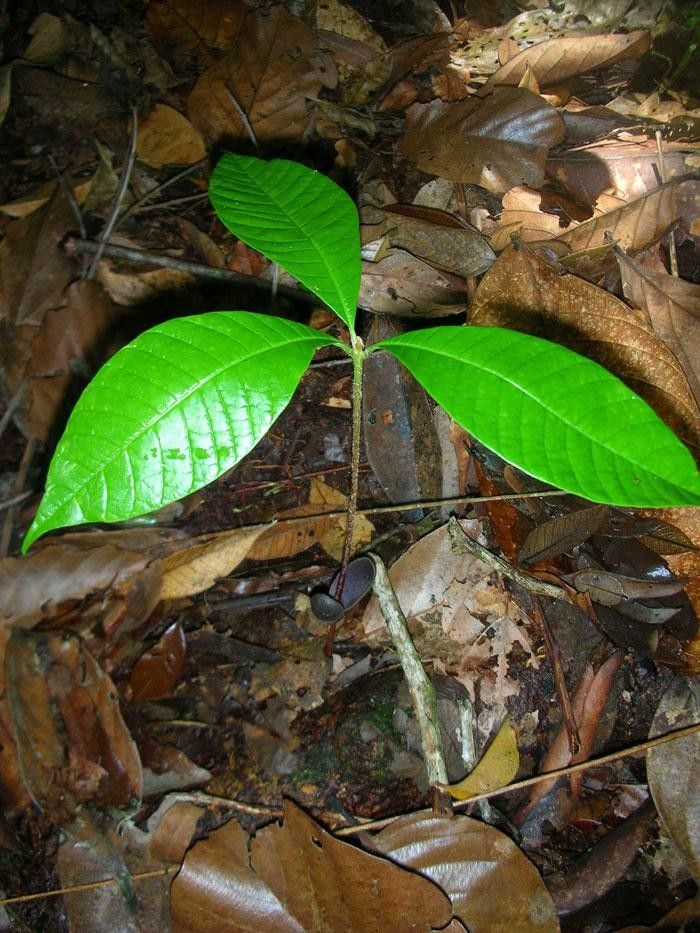
From Seed to Sapling: Growing Your Own Pouteria Bracteata
Pouteria bracteata, or the “Yellow Mammee,” is a captivating tropical fruit tree known for its vibrant yellow fruit with a sweet, custard-like flesh. Cultivating this exotic beauty can be a rewarding experience, and while you can often purchase seedlings, there’s something special about propagating your own tree from seed. In this guide, we’ll explore the exciting world of Pouteria bracteata propagation and equip you with the knowledge to succeed.
The Power of Seeds
Pouteria bracteata propagation primarily relies on seed germination. The seeds are large, black, and covered in a sticky, fleshy pulp. Here’s how to get started:
- Harvesting the Seeds: Choose ripe, yellow fruits and carefully extract the seeds.
- Cleaning and Preparation: Rinse the seeds thoroughly to remove any remaining pulpy material. You can optionally soak them in water for 24 hours to encourage germination.
- Sowing the Seeds: Select a well-draining potting mix and fill seed trays or individual pots. Sow the seeds about 1 inch deep, spacing them adequately.
- Moisture and Warmth: Keep the soil consistently moist but not waterlogged. Cover the tray with a clear plastic dome or wrap to maintain humidity. Ideal germination temperatures range from 70-80°F (21-27°C).
- Patience is Key: Germination can take anywhere from a few weeks to several months, so be patient.
Nurturing Your Young Pouteria Bracteata
Once the seeds have sprouted, provide them with the following care:
- Sunlight: Young saplings need ample sunlight but avoid direct scorching sun. Provide bright, indirect light for optimal growth.
- Watering: Water consistently, allowing the top inch of soil to dry out between waterings.
- Fertilization: As your young trees grow, nourish them with a balanced fertilizer diluted to half strength every few weeks.
- Repotting: When the roots become pot-bound, repot them into a larger container with fresh potting mix.
Beyond Seeds: Vegetative Propagation
While seed propagation is the most common method, you can also explore vegetative propagation techniques to create clones of your existing tree.
- Air Layering: For older trees, air layering involves creating a wound on the trunk, surrounding it with moist sphagnum moss, and wrapping it with plastic to induce root formation. Once roots develop, the rooted section can be cut and planted.
- Cuttings: Although less common, cuttings can be attempted. Take semi-hardwood cuttings in the spring and dip the base in rooting hormone before planting in a suitable rooting medium.
Patience and Success
Remember that growing Pouteria bracteata, like any fruit tree, requires patience and dedication. Be consistent with your care, provide the proper environment, and enjoy watching your little sapling flourish into a vibrant and productive tropical treasure.
In Conclusion
Propagating Pouteria bracteata is a rewarding experience that allows you to cultivate this beautiful and delicious fruit tree from scratch. Whether you choose seed or vegetative propagation, the journey of creating a new tree opens a fascinating window into the world of plant reproduction and provides a unique connection to nature.