Propagating the Yellow Milkwood: A Gardener’s Guide to Pouteria calistophylla
Introduction:
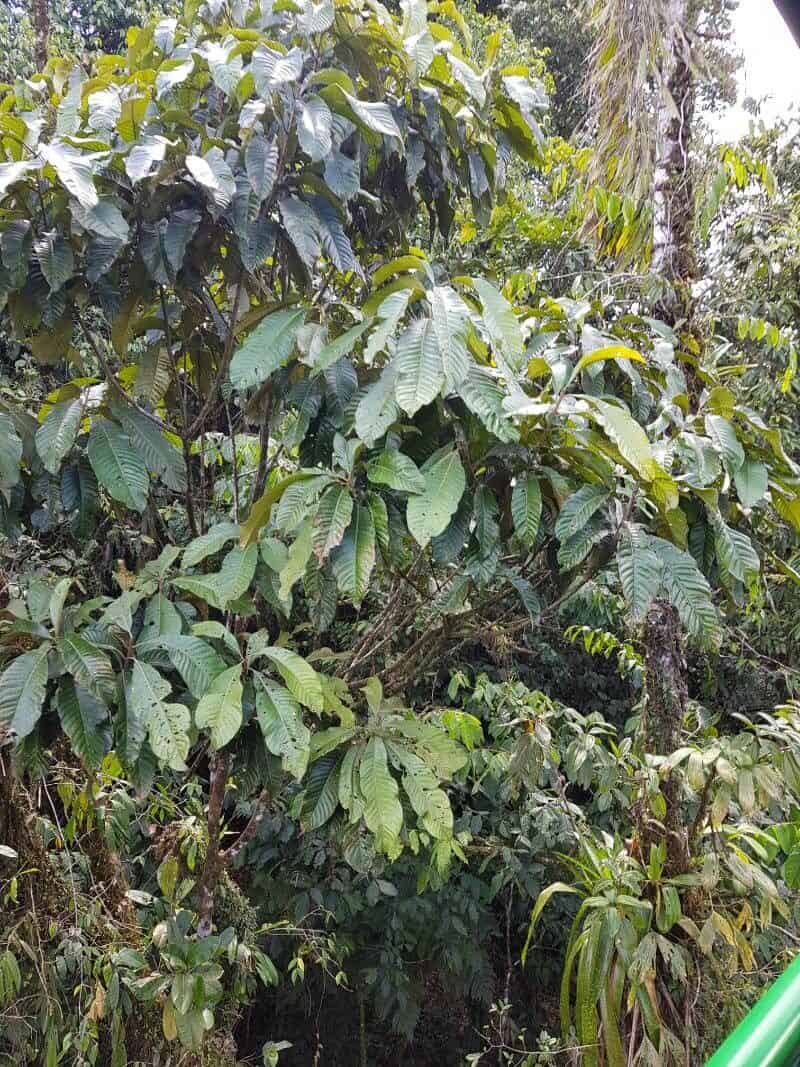
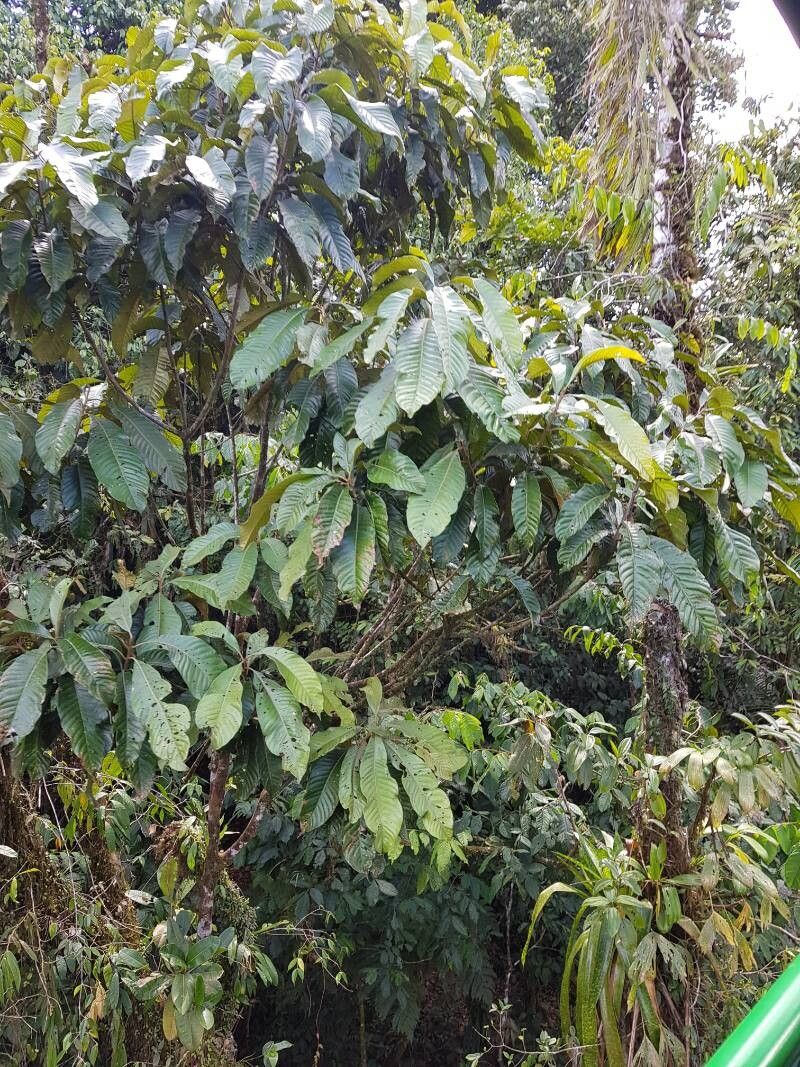
Pouteria calistophylla, commonly known as Yellow Milkwood, is a captivating tree prized for its attractive, glossy foliage, fragrant creamy-white flowers, and edible fruits. Native to eastern Australia, its hardiness and aesthetic appeal have earned it a growing popularity among gardeners, particularly those interested in native flora and unique landscaping additions. However, propagating Yellow Milkwood presents certain challenges, making successful cultivation a rewarding endeavor for the dedicated plant enthusiast. Unique aspects include its relatively slow growth and the potential for variation in fruiting characteristics from seed.
Seed Germination:
Seed germination in Pouteria calistophylla is possible but presents significant challenges. Germination rates are often low, and the seeds have a relatively short viability period. Success requires careful attention to several factors.
Challenges: Seed dormancy is a major obstacle. The hard seed coat necessitates scarification (e.g., lightly nicking the seed coat with a file) to improve water uptake. Furthermore, the timing of sowing is crucial; freshly collected seeds should be sown immediately or stored under cool, dry conditions to maximize viability.
Practical Tips: Sow seeds in a well-draining seed starting mix that retains moisture. Maintain consistently moist (but not waterlogged) conditions. A bottom heat mat can improve germination rates. Warm temperatures (20-25°C) are beneficial. Consider pre-soaking seeds in warm water for 24-48 hours before sowing.
Rewards: Successfully germinated seeds offer the reward of genetic diversity, leading to variations in plant characteristics. Seed propagation potentially allows for large-scale propagation, especially for landscape restoration projects or for supplying seedlings to nurseries.
Cuttings:
Currently, there are no known reliable methods for propagating Pouteria calistophylla from cuttings. The success rate using various techniques, including hardwood and semi-hardwood cuttings, has proven to be very low. Further research is needed to establish effective methods for vegetative propagation via cuttings.
Division:
Division is not a feasible method for propagating Pouteria calistophylla. This tree has a taproot system making division impractical and likely fatal to the plant.
Tissue Culture:
Tissue culture offers a potential avenue for propagating Pouteria calistophylla, allowing for the rapid production of large numbers of genetically identical plants. However, this method requires specialized equipment, expertise, and a sterile laboratory environment, making it less accessible to the average home gardener.
Challenges: Establishing suitable protocols for sterile culture, including the selection of appropriate growth media and sterilization techniques, is crucial. The optimized culture conditions vary depending on the explant source.
Practical Tips: This method requires professional expertise and is best conducted in a controlled laboratory setting.
Rewards: The highest potential for large-scale propagation with uniformity of the plant material and minimizing the loss of unique parent tree genotypes.
Conclusion:
Propagating Pouteria calistophylla presents unique challenges across all common methods. While seed germination offers a path to genetic diversity but requires patience and careful technique, cuttings and division are currently not viable options. Tissue culture holds the greatest potential for large-scale production but demands specialized knowledge and resources.
Despite the difficulties, the rewards – the satisfying feeling of nurturing a Yellow Milkwood tree from a seed or a tissue culture – are immense. The unique beauty and ecological significance of this tree make the effort well worthwhile. Aspiring propagators should be prepared for some failures along the way, but with persistence and attention to detail, success is achievable, leading to the gratification of cultivating this remarkable native species. Remember to consult with local horticultural experts or nurseries for region-specific advice and access to potentially more successful propagation techniques.