
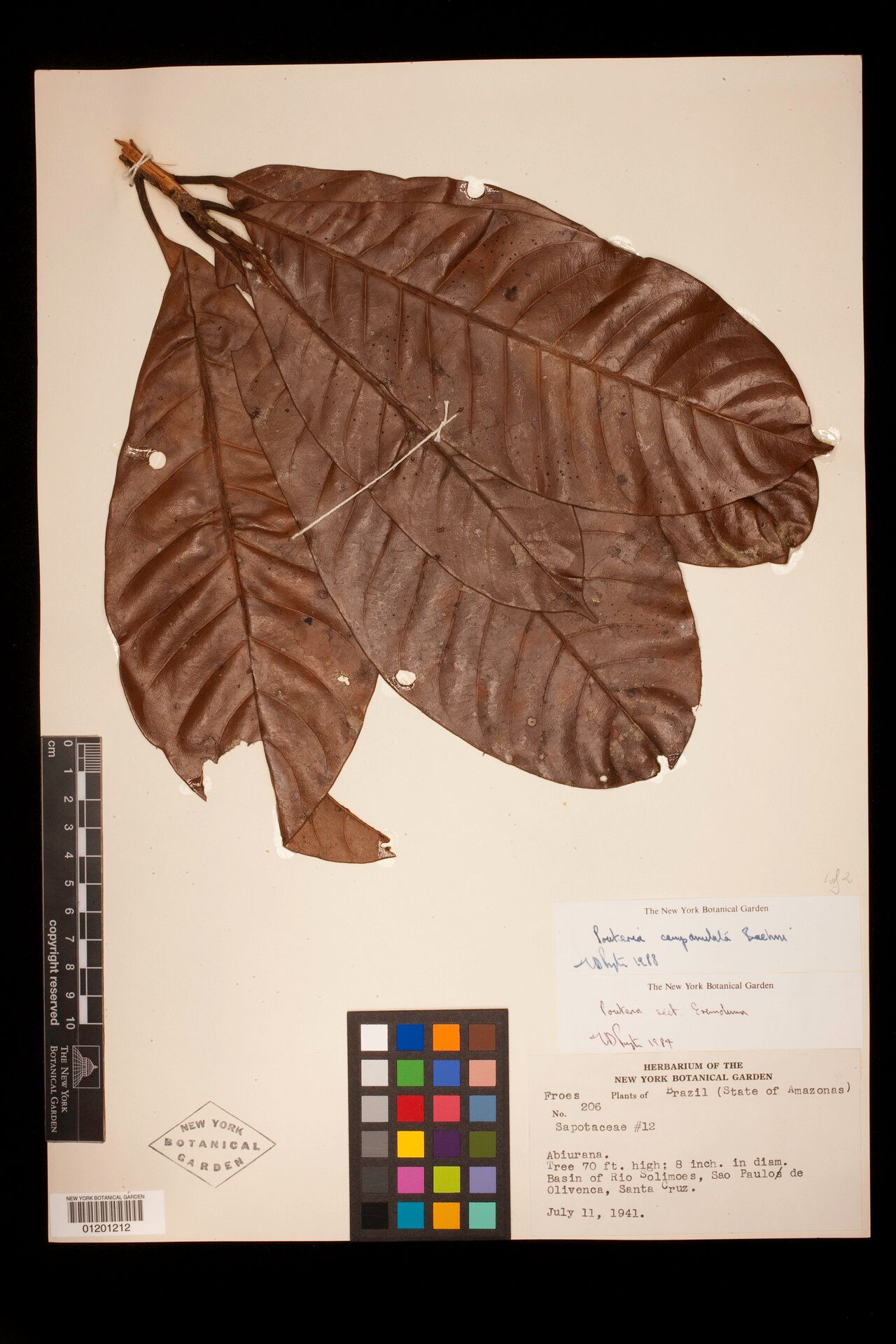
Unlocking the Secrets: Propagating the Elusive Pouteria campanulata
The Pouteria campanulata, also known as the “campanulate lucuma” or “yellow sapote,” is a rare and beautiful fruit tree native to the rainforests of South America. Prized for its sweet, custard-like fruit and attractive foliage, this tropical treasure is gaining popularity among adventurous gardeners. However, propagating Pouteria campanulata can be notoriously tricky, often requiring patience and a touch of green thumb magic. But fear not, fellow plant enthusiasts! This guide will unlock the secrets to successfully propagating this exotic beauty.
Seed Propagation: A Test of Patience
The most common method of propagating Pouteria campanulata is through seeds. However, patience is key, as the process can be slow and unpredictable.
Here’s what you need to know:
- Source fresh seeds: Seeds extracted from ripe, healthy fruits offer the highest germination rates.
- Scarification is crucial: The seeds have a hard outer shell that requires scarification to improve water absorption. Gently rub the seed coat with sandpaper or a file until a small portion of the inner layer is exposed.
- Warmth and moisture are essential: Sow the scarified seeds in a well-draining seed starting mix, keeping them consistently moist and at a temperature of around 75-85°F (24-29°C).
- Be prepared for a waiting game: Germination can take anywhere from a few weeks to several months. Don’t lose hope if you don’t see sprouts immediately.
Grafting: A Pathway to Faster Results
For those seeking quicker results or specific cultivars, grafting offers a more efficient approach.
Here’s a glimpse into the process:
- Choose the right rootstock: Select a compatible and vigorous rootstock like Pouteria sapota (mamey sapote) or Pouteria campechiana (canistel).
- Master the technique: Several grafting methods can be employed, including cleft grafting, wedge grafting, or side-veneer grafting. Each requires precision and a steady hand.
- Provide optimal conditions: After grafting, it’s vital to maintain high humidity and a warm, stable environment to encourage successful union.
Air Layering: A Technique for the Patient Gardener
Air layering, while less common, presents another viable option for propagating Pouteria campanulata.
Here’s how it works:
- Select a healthy branch: Choose a branch that’s at least one year old and free from any diseases or damage.
- Wound and wrap: Make a small upward cut on the branch and apply rooting hormone to the exposed area. Surround the wound with moist sphagnum moss and wrap it tightly with plastic wrap.
- Patience is paramount: It can take several weeks or even months for roots to develop. Once a healthy root system forms, the branch can be separated from the parent plant and potted.
Nurturing Your Propagated Pouteria Campanulata
Regardless of your chosen propagation method, providing the right care for your young Pouteria campanulata is crucial for its survival:
- Well-draining soil: Opt for a fertile, well-draining potting mix rich in organic matter to ensure proper root development.
- Consistent moisture: Water regularly, keeping the soil evenly moist but not waterlogged.
- Warmth and humidity: Mimic the tropical conditions this plant thrives in by providing warmth (above 60°F/15°C) and moderate to high humidity.
- Protection from the elements: Being a tropical species, Pouteria campanulata is not frost-tolerant. Protect it from cold temperatures and harsh winds.
Propagating Pouteria campanulata can be a rewarding challenge, allowing you to cultivate this rare and delightful fruit tree. With patience, persistence, and a dash of horticultural know-how, you can successfully propagate this exotic beauty and enjoy the fruits (literally!) of your labor.