
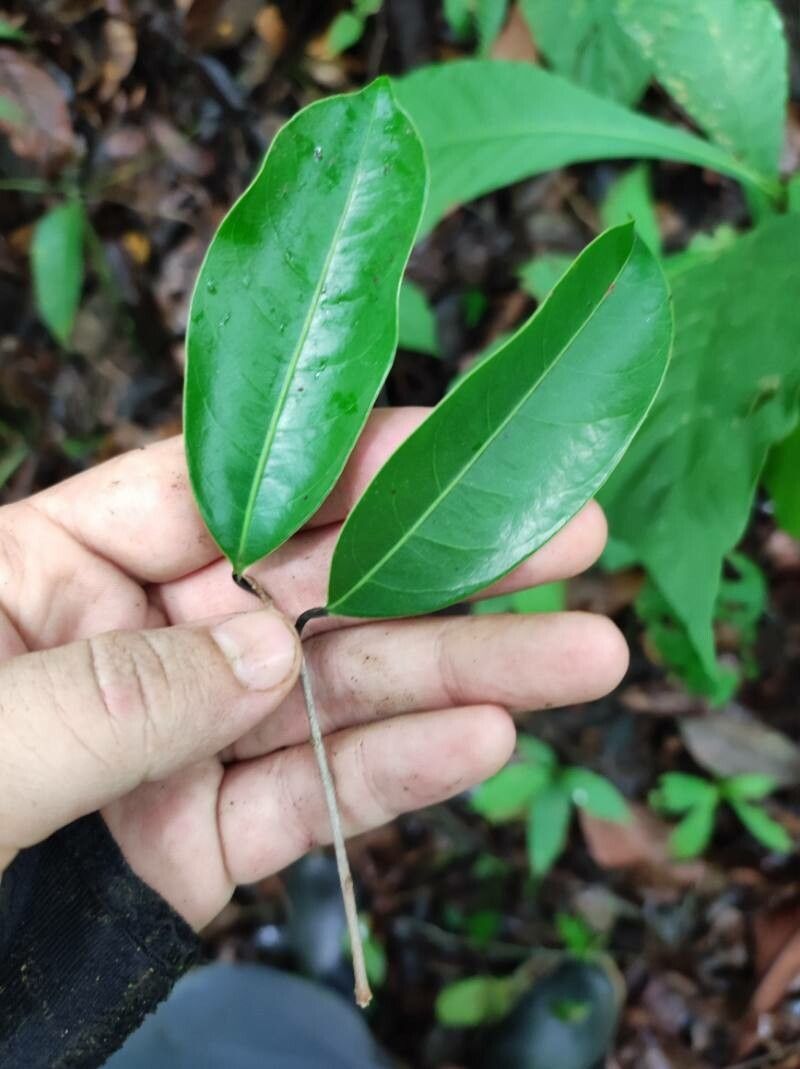
Propagating Pouteria chiricana: A Gardener’s Challenge and Reward
Pouteria chiricana, also known as the Chiricano or sometimes mistakenly as a type of canistel (though botanically distinct), is a relatively underutilized but increasingly popular neotropical fruit tree prized for its delicious, creamy fruit. Its glossy leaves and attractive form also make it a desirable ornamental plant. However, propagating this species presents unique challenges, making the successful cultivation of a Chiricano all the more rewarding. This article explores various propagation methods, highlighting their viability and offering practical advice.
Seed Germination:
Currently, there are no known reliable methods for seed germination propagation of Pouteria chiricana. While seeds are produced, their germination rate is exceptionally low, and even when germination occurs, seedling survival is often poor. Further research is needed to determine optimal germination conditions, potentially including pre-treatment strategies like scarification or specific temperature and humidity requirements. The lack of reliable seed germination limits the potential for large-scale propagation and preservation of genetic diversity via this method.
Cuttings:
Propagating Pouteria chiricana from cuttings presents a more promising avenue but still faces significant challenges. Success rates are highly variable and depend heavily on several factors.
Challenges: Cuttings are prone to fungal diseases and desiccation. Rooting hormones are likely necessary to promote root development. The optimal type and concentration of rooting hormone, as well as the ideal cutting type (hardwood, semi-hardwood, softwood), require experimentation.
Practical Tips: Use semi-hardwood cuttings taken from actively growing shoots. Treat the cuttings with a rooting hormone, such as IBA (Indole-3-butyric acid). Plant the cuttings in a well-draining, sterile propagation mix under high humidity conditions (e.g., using a propagation dome or misting system). Maintaining consistent warmth is also crucial.
Rewards: Successful propagation via cuttings can lead to a faster production of fruiting plants compared to seedlings (if seed germination were viable). This method also allows for the clonal propagation of superior genotypes, preserving desirable traits.
Division:
Division is not a feasible method for propagating Pouteria chiricana. The plant doesn’t produce suckers or readily separable portions which could independently establish as new plants.
Tissue Culture:
Tissue culture offers the most potential for efficient and large-scale propagation of Pouteria chiricana. This is especially relevant for preserving rare or superior genotypes.
Challenges: The establishment of sterile culture conditions and the development of optimized media formulations will be crucial to success. Identifying suitable explant sources and overcoming potential problems with somaclonal variation will further require careful technique and experimentation.
Practical Tips: Specialized knowledge and laboratory equipment are required. Researchers and nurseries with experience in tissue culture of other related species within Sapotaceae are well-positioned for this approach.
Rewards: Once optimized, tissue culture can allow for mass production of genetically uniform plants, ensuring consistent high quality in cultivated specimens.
Conclusion:
Propagating Pouteria chiricana is undeniably challenging, with seed germination proving unreliable and other methods requiring specialized knowledge, equipment, or extensive experimentation. However, the rewards for successful propagation are substantial. The potential to cultivate this delicious fruit and attractive ornamental plant surpasses the hurdles involved. Cuttings, coupled with future research into seed germination improvement and the use of tissue culture, offer the most promising avenues for successfully propagating the Chiricano. Aspiring propagators should not be discouraged by the initial difficulties; the unique satisfaction of nurturing a Chiricano from a cutting or successfully establishing a tissue culture line makes the effort worthwhile, ultimately contributing to the wider appreciation and cultivation of this underappreciated species.