
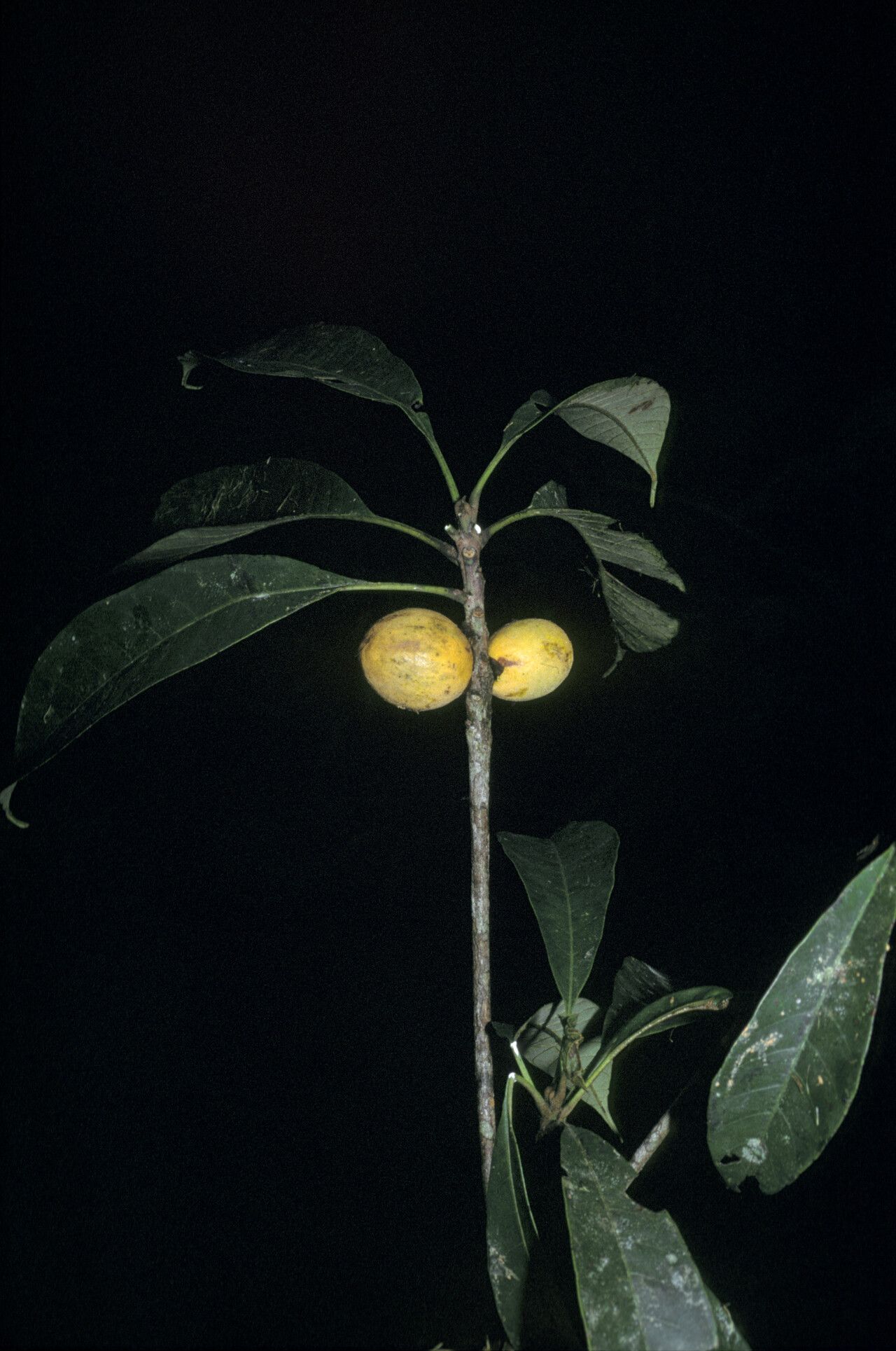
Unveiling the Secrets to Propagating the Showy Quebracho (Pouteria Decorticans)
The Quebracho, also known as the Chilean Lucuma or scientifically as Pouteria decorticans, is a captivating tree native to the arid regions of South America. With its striking orange bark, evergreen foliage, and deliciously sweet fruit, it’s no surprise that gardening enthusiasts are eager to learn the art of propagating this unique species. While not readily found in nurseries, successfully growing Quebracho from seed is an achievable and rewarding endeavor for those with patience and a thirst for a horticultural challenge.
The Seed of Success: Your Guide to Germinating Quebracho
Germinating Quebracho seeds requires diligence and a touch of horticultural finesse. Here’s a step-by-step guide to set you on the path to success:
1. Source Fresh Seeds: The fresher the seed, the higher the chance of germination. Ideally, source seeds directly from ripe fruit, preferably harvested from a healthy tree. If purchasing seeds, ensure they are from a reputable source guaranteeing freshness.
2. Prepare for Germination: Quebracho seeds boast a hard seed coat that necessitates some gentle persuasion to encourage sprouting.
- Scarification: Gently rub the seed coat with sandpaper or a nail file, taking care not to damage the inner seed. This process, known as scarification, allows water to penetrate the tough exterior and initiate germination.
- Soaking: Soak the scarified seeds in warm water for 24 hours. This further softens the seed coat and jumpstarts the germination process.
3. Planting with Care:
- Potting Mix: Choose a well-draining potting mix. A blend of perlite, vermiculite, and peat moss works wonders.
- Sowing: Sow the seeds approximately 1 inch deep in the prepared potting mix.
- Warmth and Moisture: Place the pots in a warm location with indirect sunlight. Maintain a consistent level of moisture.
- Patience is Key: Germination can be slow and erratic, taking anywhere from a few weeks to several months. Keep the faith, and don’t lose hope if sprouts don’t appear immediately.
4. Nurturing Your Seedlings:
- Sunlight: Once your seedlings emerge, gradually introduce them to brighter light.
- Watering: Maintain a consistently moist but not waterlogged environment.
- Fertilizing: After a couple of months, start fertilizing with a balanced, diluted fertilizer to support healthy growth.
Alternative Propagation Methods:
While seed propagation is the most common method for Quebracho, cuttings taken from mature trees can also be rooted. However, this technique generally yields a lower success rate and requires specific rooting hormones and optimal environmental conditions.
Beyond Propagation: Caring for Your Quebracho
Once established, Quebracho trees are relatively low-maintenance. They appreciate full sun to partial shade and well-draining soil. Water regularly, especially during dry periods, and fertilize annually to promote optimal growth and fruit production.
A Rewarding Journey:
Propagating your own Quebracho may require patience, but the rewards are worth the effort. Witnessing the germination and growth of this resilient and attractive tree is a fulfilling experience, and the prospect of enjoying its unique fruit in years to come makes the journey all the more worthwhile.