
Taming the Butterfly Bush: Propagating Praxelis Clematidea
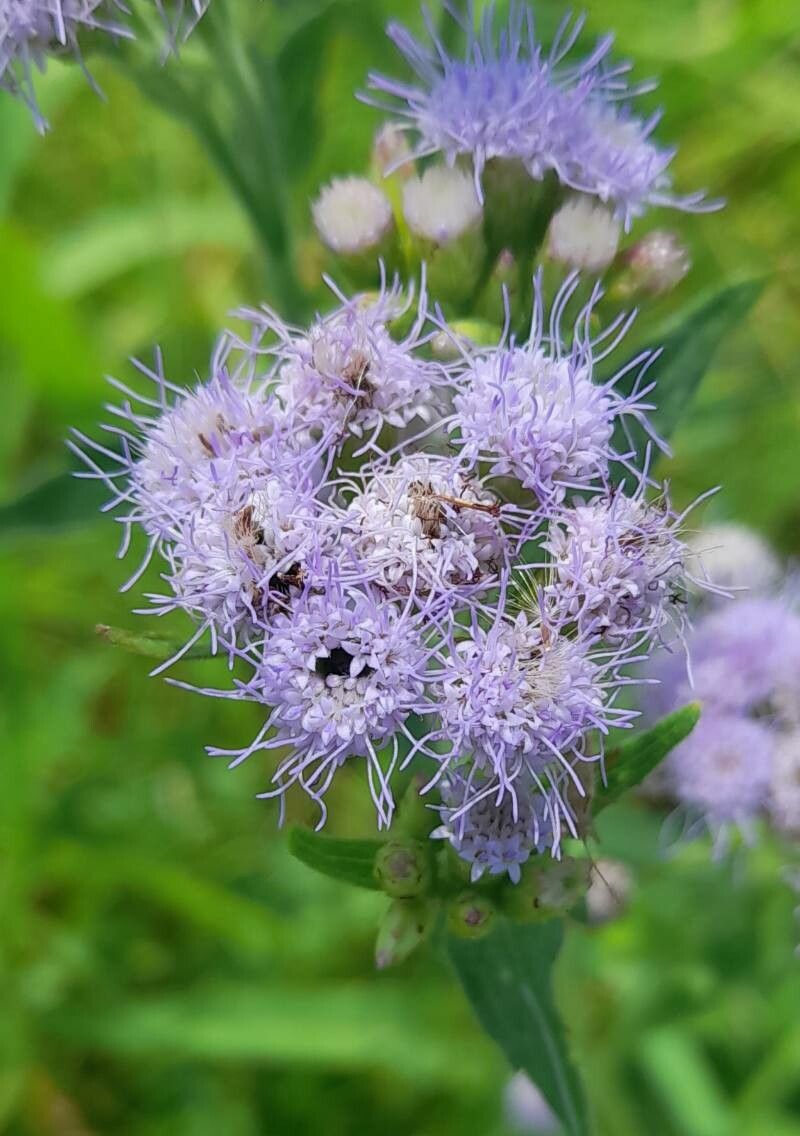
The Praxelis clematidea, affectionately known as the Butterfly Bush or Mistflower, is a captivating sight with its clusters of fluffy, lilac blooms. Native to South America, this fast-growing perennial attracts pollinators like bees and butterflies with its sweet nectar, making it a favorite for adding a splash of color and life to gardens. But taming this beauty’s spread can be tricky, as it’s known to be quite the prolific self-seeder. So, if you’re considering adding Praxelis clematidea to your garden, understanding its propagation is key. Let’s dive into the how-tos of multiplying this charming, yet assertive, plant.
Two Paths to Propagation:
The good news is that Praxelis clematidea is remarkably easy to propagate, offering two simple methods:
1. Seed Propagation:
- Timing is Everything: As a prolific self-seeder, you’ll find ripe seeds in the fluffy seed heads after the flowers fade. Collect these treasures in late summer or early fall.
- Sowing Simplicity: You can sow seeds directly into your garden bed after the last frost, or start them indoors 6-8 weeks prior. Scatter seeds on the soil surface, lightly pressing them in but not burying them deeply.
- Patience is a Virtue: Germination can take a few weeks. Ensure the soil remains moist but not waterlogged.
2. Division:
- Spring Awakening: Spring is the ideal time to divide established plants.
- Divide and Conquer: Carefully dig up the entire clump, separating it into smaller sections, each with healthy roots and shoots.
- New Beginnings: Replant the divisions in their new homes, ensuring they are spaced adequately to accommodate their growth.
- Water Wisely: Provide consistent moisture, especially during the initial weeks after division.
Tips for Propagation Success:
- Well-Drained Soil: Praxelis clematidea thrives in well-drained soil, so amend heavy clay soils with compost or other organic matter.
- Sun Seeker: This plant flourishes in full sun but tolerates partial shade, particularly in warmer climates.
- Managing Spread: Deadheading spent flowers can help control self-seeding. Consider growing Praxelis clematidea in containers to further manage its spread in your garden.
A Note of Caution:
While admired for its beauty, Praxelis clematidea can be invasive in some regions due to its enthusiastic self-seeding nature. It’s crucial to check with your local authorities or extension services to determine its invasive status in your area before planting.
With its enchanting beauty and ease of propagation, the Praxelis clematidea can be a captivating addition to your garden. By understanding its growth habits and employing simple propagation techniques, you can enjoy its vibrant blooms while keeping its spread in check. Remember, responsible gardening practices ensure that both your garden and the environment thrive in harmony.